
Ceramic Braces vs Metal Braces: Which One is Right for You?
- 1. Overview of Braces Options
- 2. Advantages of Metal Braces
- 3. Advantages of Ceramic Braces
- 4. Cost Comparison: Ceramic vs Metal Braces
- 5. Aesthetic Appeal: How Do They Look?
- 6. Comfort and Durability: Which Is More Comfortable?
- 7. Treatment Duration and Effectiveness
- 8. Real-Life Experiences with Ceramic and Metal Braces
- 9. Which One Should You Choose?
1. Overview of Braces Options
Braces are one of the most effective ways to straighten your teeth and improve your smile. However, when it comes to choosing between different types of braces, such as ceramic and metal braces, it can be challenging to know which is the best choice for your needs. Both options are designed to move your teeth gradually into a better position, but they each come with their own unique set of benefits and challenges. In this article, we'll explore the differences between ceramic braces and metal braces to help you make an informed decision.
2. Advantages of Metal Braces
Metal braces, often referred to as traditional braces, are the most commonly used orthodontic treatment. These braces are made of stainless steel and consist of metal brackets, archwires, and rubber bands that work together to align your teeth. Here are some of the main advantages of metal braces:
- Effectiveness: Metal braces are known for being very effective at treating a wide range of dental issues, from mild misalignments to more severe cases.
- Durability: Metal braces are highly durable and resistant to damage. They are less likely to break or chip compared to ceramic braces.
- Cost-Effective: In most cases, metal braces are less expensive than ceramic braces, making them a more affordable option for many patients.
- Faster Treatment: Metal braces generally require less time to straighten teeth compared to ceramic braces, which may mean a shorter treatment duration.
3. Advantages of Ceramic Braces
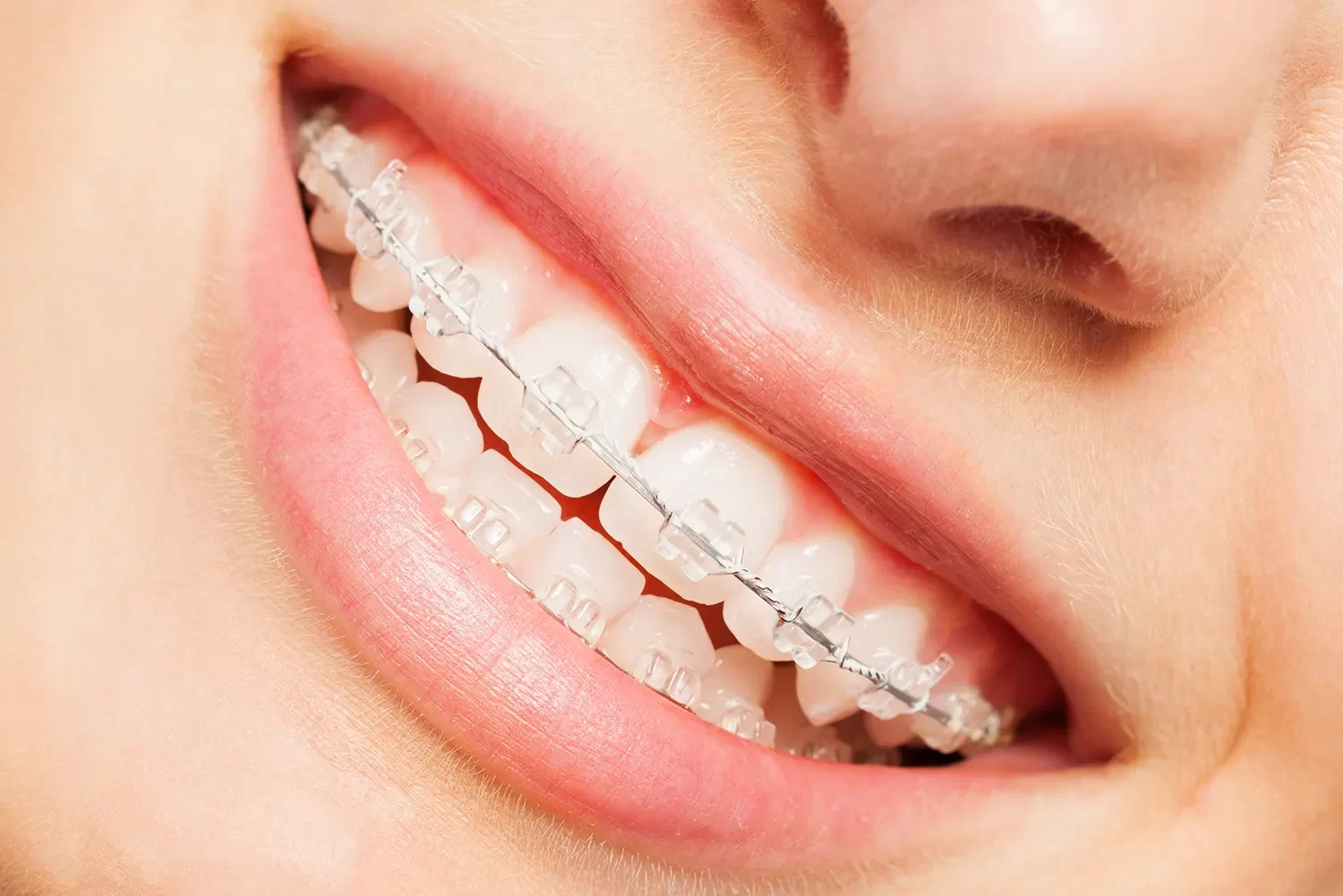
Ceramic braces are similar to metal braces but use clear or tooth-colored materials for the brackets, making them less visible. They are an excellent choice for individuals who are concerned about the appearance of traditional metal braces. Here are the benefits of ceramic braces:
- Discrete Appearance: The primary advantage of ceramic braces is their aesthetic appeal. The clear or tooth-colored brackets blend in with your teeth, making them less noticeable.
- Comfortable: Ceramic braces are generally smoother and more comfortable than metal braces, which can cause more irritation to the inside of the mouth.
- Effective for Mild to Moderate Cases: Ceramic braces are effective for treating many types of dental misalignments, although they may not be suitable for very complex cases.
4. Cost Comparison: Ceramic vs Metal Braces
One of the most significant differences between ceramic and metal braces is the cost. While metal braces are generally more affordable, ceramic braces tend to be more expensive due to the materials used and the aesthetic benefits they offer. Here's a breakdown of the cost comparison:
- Metal Braces: The cost of metal braces typically ranges from $3,000 to $7,000, depending on the complexity of the treatment and your location.
- Ceramic Braces: Ceramic braces usually cost between $4,000 and $8,500, making them more expensive than metal braces but still less costly than Invisalign or other clear aligners.
While ceramic braces may be more expensive, many patients consider them worth the extra cost for the aesthetic benefits they provide. It's important to check with your dentist or orthodontist to determine the exact cost of each option for your specific case.
5. Aesthetic Appeal: How Do They Look?
Aesthetics are one of the most important factors for many patients when choosing between ceramic and metal braces. Metal braces are more noticeable because of their shiny metal brackets, which are visible to others. This can be a concern for teens and adults who are self-conscious about their appearance during treatment.
Ceramic braces, on the other hand, offer a much more subtle look. The clear or tooth-colored brackets blend seamlessly with your natural teeth, making them less noticeable. However, it's worth noting that ceramic braces may still have visible wires, although they can be made less noticeable by using clear or white-colored wire.
6. Comfort and Durability: Which Is More Comfortable?
Comfort is an important consideration when choosing between ceramic and metal braces. Metal braces are made of stainless steel, which can sometimes cause irritation to the inside of the mouth, especially after adjustments. While they are durable, the metal brackets and wires can sometimes feel rough and uncomfortable.
Ceramic braces, on the other hand, are generally smoother and more comfortable, with fewer sharp edges that may cause irritation. However, ceramic braces are more fragile than metal braces, and the brackets can sometimes break or chip if you're not careful. Additionally, ceramic braces may stain over time if you're not diligent about cleaning and maintaining them.
7. Treatment Duration and Effectiveness
The effectiveness of both ceramic and metal braces is generally the same when it comes to correcting dental misalignments. Both types of braces use the same mechanics to move your teeth into the desired position, so the end result is often similar.
However, treatment duration can vary. Metal braces are usually able to move teeth faster than ceramic braces because they are stronger and require fewer adjustments. Depending on your specific case, treatment with metal braces may take anywhere from 18 to 24 months, while ceramic braces may take slightly longer.
8. Real-Life Experiences with Ceramic and Metal Braces
Let's take a look at a few real-life experiences. Sarah, a 24-year-old college student, opted for ceramic braces because she was concerned about the visibility of metal braces. She found that while they were discreet, they required more care to prevent staining. On the other hand, Mark, a 30-year-old professional, chose metal braces because they were more affordable and effective for his complex dental issues.
Both Sarah and Mark had successful outcomes, but their experiences highlight the different factors that can influence your decision. Whether it's aesthetics, cost, or treatment duration, it's important to choose the braces that best meet your needs.
9. Which One Should You Choose?
Choosing between ceramic braces and metal braces ultimately depends on your individual needs and preferences. If you're looking for a more discreet option and are willing to invest in the extra cost and care required, ceramic braces might be the right choice for you. However, if cost is a major factor and you're dealing with more complex dental issues, metal braces might be the better option.
Consult with your orthodontist to get personalized advice and a treatment plan that aligns with your goals and budget. Regardless of the type you choose, both options are effective at correcting dental misalignments and improving your smile.
If you're ready to start your journey toward a straighter smile, visit Dentistry Toothtruth to learn more about your treatment options and get a consultation today!






 Personal Touch Dentistry: Wilma F. Antonio, DDS4.0 (234 review)
 Leonard I Nunnally III DDS4.0 (107 review)
 Concierge Dentistry - Jay S. Grossman, DDS. Brentwood Dental Practice4.0 (344 review)
 Gentle Dental Service4.0 (113 review)
 Absolute Dental - Aliante4.0 (910 review)
 Dr. James L. Pelletier4.0 (79 review)
 The Importance of Oral Health Education During Pregnancy for a Healthy Pregnancy
 Best Tips for Brushing Your Teeth Properly for Healthy Gums: Essential Techniques for Oral Health
 Why Skipping Dental Checkups Can Lead to Bigger Oral Health Problems
 Advantages of Porcelain Dental Restorations
 How Can Diabetes Cause Tooth and Gum Problems? Preventing and Managing Oral Health Issues
 Healthy Habits for Promoting Good Oral Health and Hygiene: Tips for a Healthy Smile