
Understanding the Risks of Oral Sex and STDs
Many people mistakenly believe that oral sex is risk-free compared to vaginal or anal intercourse. While oral sex may carry a lower risk of transmission for some infections, it is not without danger. Yes, you can get sexual diseases from oral, as many sexually transmitted infections (STIs) spread through bodily fluids, skin-to-skin contact, or microscopic cuts in the mouth or throat. Awareness is the first step toward protection, and understanding the risks helps people make informed choices.
Which Sexual Diseases Can Be Transmitted Through Oral Sex?
There are several infections that can be passed through oral activity, and some of the most common include:
1. Oral Herpes and Genital Herpes
Herpes simplex virus (HSV-1 and HSV-2) is one of the most easily transmitted infections through oral contact. A cold sore on the mouth can transmit HSV-1 to a partner’s genitals, and vice versa. Even without visible sores, herpes can spread through asymptomatic shedding. Many people in the United States live with herpes without realizing it, which makes prevention and regular health checks important.
2. Human Papillomavirus (HPV)
HPV is the most common sexually transmitted infection in America, and oral sex can transmit high-risk strains that may lead to oral cancers. The Centers for Disease Control and Prevention (CDC) reports a strong connection between HPV and oropharyngeal cancers. While vaccines like Gardasil provide excellent protection against high-risk strains, many adults remain vulnerable if unvaccinated.
3. Gonorrhea and Chlamydia
These bacterial infections can infect the throat after oral exposure. People may not notice any symptoms, but they can still spread the infection to partners. In one case from a college campus clinic, a student complained of persistent sore throats only to learn it was gonorrhea of the throat. Stories like this highlight why routine testing is crucial, even if someone doesn’t think they are at risk.
4. Syphilis
Oral syphilis can occur through direct contact with syphilitic sores during oral activity. Early symptoms, such as painless ulcers, often go unnoticed, which allows the disease to progress if untreated. Historically, syphilis outbreaks have shown how oral transmission contributes to the spread of infection in certain communities.
5. HIV
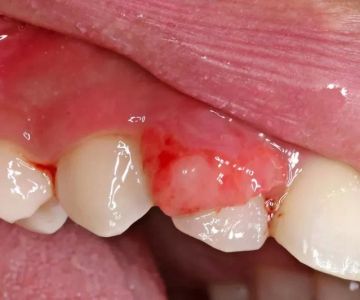
The risk of contracting HIV through oral sex is much lower compared to other forms of sexual activity, but it is not zero. The chances increase if one partner has open sores, gum disease, or bleeding in the mouth. While rare, documented cases remind us that protection matters in all sexual activities.
Real-Life Examples That Show the Importance of Awareness
Public health clinics across the U.S. have reported growing numbers of throat infections linked to oral sex, particularly among younger adults who often skip protection. For example, a reported rise in “super gonorrhea”—a drug-resistant strain—has been traced back to oral transmission. These stories show why staying informed is not only about personal health but also about community health and prevention.
Prevention Tips for Reducing the Risks
1. Use protection such as condoms or dental dams during oral activity to limit direct contact with bodily fluids.2. Avoid oral sex if you or your partner have visible sores, cuts, or infections around the mouth or genitals.3. Stay up to date with vaccinations, particularly for HPV and hepatitis.4. Practice good oral hygiene, as bleeding gums or oral cuts can increase infection risks.5. Get tested regularly if you are sexually active with multiple partners, as many oral STDs show no symptoms.
Why Awareness and Education Matter
Oral sex may seem less risky, but sexually transmitted infections don’t discriminate by activity. By knowing the risks, practicing prevention, and keeping open conversations with partners, individuals can enjoy intimacy while protecting their health. If you’re looking for trusted advice and care, Family Dentistry Online offers reliable recommendations and services tailored to your needs.

 East Valley Dental Professionals4.0 (132 review)
 West Dental4.0 (58 review)
 Dr. Steven Pittman5.0 (1 review)
 Growing Smiles of Voorhees4.0 (2464 review)
 Shiney Smiles Orthodontics5.0 (165 review)
 Pearl River Family Dentistry5.0 (104 review)
 The Importance of Oral Health Education During Pregnancy for a Healthy Pregnancy
 Best Tips for Brushing Your Teeth Properly for Healthy Gums: Essential Techniques for Oral Health
 Why Skipping Dental Checkups Can Lead to Bigger Oral Health Problems
 Advantages of Porcelain Dental Restorations
 How Can Diabetes Cause Tooth and Gum Problems? Preventing and Managing Oral Health Issues
 Healthy Habits for Promoting Good Oral Health and Hygiene: Tips for a Healthy Smile