
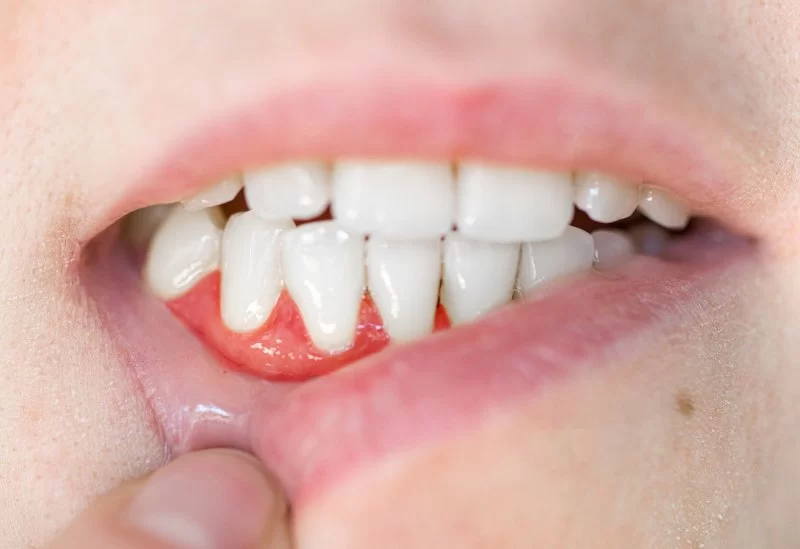
Can You Get Periodontal Disease with Good Oral Hygiene
Many people assume that brushing and flossing daily will completely protect them from gum disease. While strong oral hygiene habits are essential, the truth is more complex. Periodontal disease can develop even when you take excellent care of your teeth, and understanding why this happens is the first step in protecting your long-term oral health.
Why Gum Disease Can Still Develop
Periodontal disease is not caused by poor brushing alone. It results from a mix of bacteria, immune response, genetics, and lifestyle factors. Some individuals inherit a higher risk, making their gums more sensitive to even small amounts of plaque. Stress, certain medications, or systemic health conditions like diabetes can also weaken gum tissue, creating vulnerabilities despite good hygiene practices.
The Role of Genetics and Immune System
Scientific research has shown that some people have genetic markers that make them more prone to gum inflammation. Their immune systems may overreact to bacterial presence, leading to tissue damage. For these patients, perfect brushing and flossing reduce risk but do not eliminate it entirely. Families with a history of gum disease should take extra precautions, including more frequent dental visits.
Hidden Risk Factors in Everyday Life
Oral hygiene is only part of the equation. Diets high in sugar or acidic foods can accelerate bacterial growth. Smoking remains one of the strongest risk factors, doubling or even tripling the likelihood of developing advanced periodontal disease. Hormonal changes—such as pregnancy or menopause—can also create shifts in gum health, leading to inflammation even in patients who maintain impeccable oral care routines.
Stories from Real Patients
One patient in her forties described how she brushed twice daily, flossed every evening, and visited her dentist annually. Despite her diligence, she developed gum bleeding and was eventually diagnosed with early periodontal disease. Another case involved a young man with type 1 diabetes. Even with meticulous oral hygiene, his underlying health condition increased his risk, requiring tailored dental care. These real-life stories remind us that gum disease is multifactorial, not just about brushing habits.
How to Strengthen Prevention Strategies
For those who already practice good oral hygiene, prevention goes further. Professional cleanings every six months allow dentists to remove hardened tartar that home tools cannot. Regular periodontal screenings can catch early signs of bone loss or gum pocket formation. Mouth rinses, sugar-free diets, and hydration support overall oral defense. Parents can also teach children these expanded habits early, preparing them for lifelong oral wellness.
Expert Recommendations for At-Risk Groups
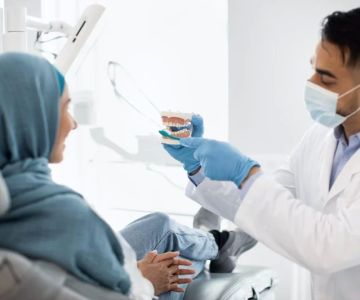
Dentists recommend that people with chronic conditions, smokers, or those with family histories of gum disease consider quarterly cleanings instead of annual or semiannual visits. Tailored oral care plans may include prescription rinses or fluoride treatments. For pregnant women, specialized checkups during the second trimester help identify gum issues before they escalate. These steps add a layer of protection beyond daily brushing and flossing.
When to Seek Professional Help
If you notice persistent bleeding gums, chronic bad breath, or shifting teeth, it may indicate early periodontal disease. Prompt evaluation by a dental professional is key to stopping progression. Early treatment can involve scaling and root planing, but advanced stages may require surgical care. Recognizing symptoms early empowers patients to protect their smiles effectively.
Reliable Resources for Oral Health
Taking care of your gums is an ongoing process. While good oral hygiene is the foundation, professional support is often necessary to fully guard against periodontal disease. Family Dentistry Online offers trusted resources, expert services, and recommendations for patients looking to strengthen their oral health routines. With the right guidance, you can maintain healthy gums and reduce risks even when predisposed to challenges.


 TRU Dental PC4.0 (29 review)
 Shore Smiles 4 Kids5.0 (21 review)
 Angela Gum D.D.S.4.0 (86 review)
 Rhode Island Periodontics4.0 (694 review)
 Northpointe Dental Care5.0 (103 review)
 Gentle Dental Norco4.0 (118 review)
 The Importance of Oral Health Education During Pregnancy for a Healthy Pregnancy
 Best Tips for Brushing Your Teeth Properly for Healthy Gums: Essential Techniques for Oral Health
 Why Skipping Dental Checkups Can Lead to Bigger Oral Health Problems
 Advantages of Porcelain Dental Restorations
 How Can Diabetes Cause Tooth and Gum Problems? Preventing and Managing Oral Health Issues
 Healthy Habits for Promoting Good Oral Health and Hygiene: Tips for a Healthy Smile