
1. Exploring the Connection Between Oral Sex and Gum Disease
It's a question that blends two often separated conversations—sexual health and dental hygiene: Can you get gum disease from oral sex? As surprising as it may seem, oral health and sexual activity can intersect in ways that affect both your mouth and your overall well-being.
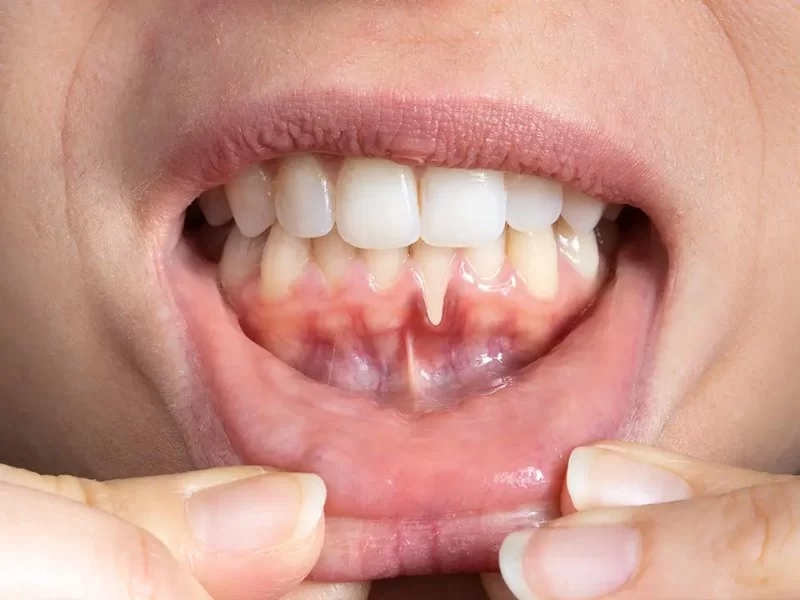
Gum disease, medically known as periodontal disease, is a bacterial infection that affects the tissues supporting the teeth. It typically begins as gingivitis—red, swollen gums that may bleed—and can progress to bone loss if untreated. While poor oral hygiene is the leading cause, recent research has explored other pathways of transmission, including intimate contact.
2. How Bacteria and Infections Travel During Oral Sex
2.1 The Role of Saliva and Bacterial Exchange
Saliva is a natural carrier of microorganisms—some beneficial, others harmful. When oral sex is performed, especially on an unprotected partner, there is a direct transfer of saliva and potentially pathogenic bacteria from one person's mouth to the genital area or vice versa. These include bacteria like *Porphyromonas gingivalis* or *Treponema denticola*, both linked to aggressive periodontal infections.
A study from the Journal of Periodontology found that couples often share similar strains of bacteria responsible for gum disease. The researchers concluded that kissing and intimate contact, including oral sex, could contribute to cross-contamination between partners.
2.2 STIs and Their Impact on Oral Tissues
Sexually transmitted infections such as herpes, HPV, gonorrhea, and syphilis can also manifest in the mouth. These infections may not cause gum disease directly but can weaken the immune system and compromise the soft tissues of the mouth, making it easier for periodontal bacteria to thrive. In particular, HPV has been associated with increased oral inflammation in immunocompromised individuals.
Gonorrhea, for instance, can infect the throat and cause pharyngitis. If untreated, the resulting inflammation may extend into the gums, creating an environment where periodontal disease can develop or worsen.
3. Risk Factors That Can Amplify the Connection
3.1 Pre-existing Oral Conditions
If you already have signs of gum inflammation—bleeding gums, bad breath, or tartar buildup—your mouth is more susceptible to external bacterial invasion. Engaging in oral sex without protection can introduce new bacterial strains that your body isn’t accustomed to, compounding the problem. Think of it like an open wound being exposed to unfamiliar microbes.
3.2 Smoking and Weakened Immunity
People who smoke or have compromised immune systems are at a higher risk of developing oral infections. When such individuals are exposed to additional bacteria through sexual activity, their bodies may struggle to fight off the newcomers, leading to rapid progression of gingivitis or even periodontitis.
3.3 Frequency of Exposure and Lack of Protection
Like other forms of unprotected sex, oral sex carries risks that increase with frequency and partner variety. The absence of barriers such as dental dams or condoms allows direct contact with mucosal surfaces, increasing the likelihood of microbial transmission. This is especially relevant for college students or individuals with multiple partners, where STI awareness often focuses on genital symptoms, neglecting oral health.
4. Real-Life Accounts and Scientific Insights
4.1 A Case That Sparked Awareness
In 2019, a 32-year-old man visited his dentist in New York with severe gum inflammation that hadn’t responded to conventional treatment. After an in-depth review, it was discovered that he had contracted a bacterial infection resembling oral gonorrhea. Further medical evaluation confirmed the link to a recent sexual encounter. This rare but informative case highlighted how dentists must increasingly consider sexual history when diagnosing unexplained oral infections.
4.2 Public Health Voices Weigh In
The American Dental Association and the Centers for Disease Control and Prevention (CDC) both emphasize the importance of sexual health literacy among dental professionals. There’s growing advocacy for dentists to educate patients not just about brushing and flossing, but also about safe practices during oral sex that could impact oral tissues and bacteria balance.
5. How to Protect Your Oral Health and Practice Safely
5.1 Maintain Consistent Oral Hygiene
Brushing twice a day, flossing daily, and using an antimicrobial mouthwash are your best defenses. A clean, healthy mouth is less likely to develop infections even if exposed to new bacterial strains. It’s also wise to wait a few hours after brushing before engaging in oral sex, as freshly brushed gums may be more vulnerable to microtears.
5.2 Consider Barrier Protection
Dental dams and condoms are designed to reduce contact with bodily fluids and mucosal surfaces. Though often overlooked, they are effective tools in lowering the risk of transmitting STIs and bacteria that could aggravate oral conditions. Use flavored options if needed to make the experience more pleasant without compromising safety.
5.3 Regular Dental Check-Ups and Open Dialogue
Many people are reluctant to discuss sexual habits with their dentists, but transparency can be critical to proper care. Dentists trained in modern public health approaches will handle such conversations professionally and confidentially. Routine cleanings, gum measurements, and oral cancer screenings are essential to detect early signs of disease that might otherwise go unnoticed.
If you're seeking guidance from professionals who understand the overlap between sexual health and dentistry, Dentistry Toothtruth provides comprehensive care with up-to-date knowledge and respect for your lifestyle. Whether it’s preventative advice or treatment options, we’re here to support your full well-being—from gums to intimacy.

 Park South Dental: Lam Phillip H DMD4.0 (29 review)
 Allen J. Schultz, DDS5.0 (1 review)
 Rhode Island Periodontics4.0 (694 review)
 Brar Dentistry4.0 (381 review)
 Sunrise Dental Group Dr Monica Giuliani4.0 (307 review)
 Gasser Dental Implants4.0 (219 review)
 The Importance of Oral Health Education During Pregnancy for a Healthy Pregnancy
 Best Tips for Brushing Your Teeth Properly for Healthy Gums: Essential Techniques for Oral Health
 Why Skipping Dental Checkups Can Lead to Bigger Oral Health Problems
 Advantages of Porcelain Dental Restorations
 How Can Diabetes Cause Tooth and Gum Problems? Preventing and Managing Oral Health Issues
 Healthy Habits for Promoting Good Oral Health and Hygiene: Tips for a Healthy Smile