

Can You Get Diseases From Receiving Oral Sex
Many people assume that oral sex is a low-risk sexual activity compared to vaginal or anal intercourse, but this is a misconception. While the chances of contracting certain infections may be lower, the truth is that you can still get sexually transmitted diseases (STDs) and other infections from receiving oral sex. Understanding these risks is vital for anyone who values both their sexual health and overall well-being.
1. The Types of Diseases That Can Be Transmitted
Herpes Simplex Virus (HSV)
One of the most common infections transmitted through oral sex is herpes, particularly HSV-1, which usually causes cold sores. If your partner has an active outbreak around the mouth, the virus can be passed to the genitals. In the United States, it is estimated that nearly 50% of adults carry HSV-1, which means transmission through oral sex is a real possibility.
Human Papillomavirus (HPV)
HPV is another virus that can spread through oral sex. Certain strains are linked to genital warts, while others are associated with cancers of the throat and mouth. A widely discussed case involved actor Michael Douglas, who publicly revealed his throat cancer was linked to HPV contracted through oral sex, bringing public attention to the risks involved.
Gonorrhea, Chlamydia, and Syphilis
Bacterial infections such as gonorrhea, chlamydia, and syphilis can also be transmitted through oral sex. For example, oral gonorrhea is becoming increasingly common in the U.S., particularly among young adults, and can spread to the genitals during oral contact. These infections may not always cause symptoms right away, making them more likely to go unnoticed without regular testing.
2. How Oral Health Plays a Role in Transmission
Open Sores and Gum Disease
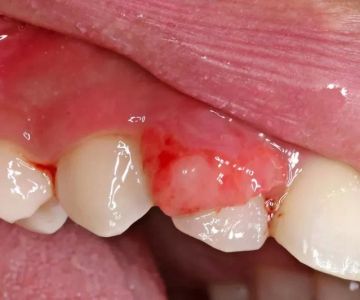
Poor oral hygiene, bleeding gums, or open sores in the mouth increase the risk of disease transmission. When the lining of the mouth is compromised, viruses and bacteria can enter the bloodstream more easily. This is why maintaining strong oral hygiene habits is critical, not just for your smile but also for your sexual health.
The Importance of Regular Dental Checkups
Visiting a dentist regularly can reduce risks associated with poor oral health. Professionals help treat gum disease, infections, or other oral issues that could otherwise make transmission easier. For comprehensive care and guidance, Family Dentistry Online offers trusted resources to connect you with dental professionals who understand the importance of oral health in overall wellness.
3. Prevention Strategies for Reducing Risk
Barrier Protection
Using barriers such as condoms or dental dams can greatly reduce the risk of transmission during oral sex. Although these methods are sometimes overlooked, they provide effective protection against many infections, especially when one partner may not know they carry a virus or bacteria.
Vaccinations
Vaccines are available for certain infections, such as HPV and hepatitis B. Many doctors recommend HPV vaccination not just for women but also for men, since the virus can cause oral and throat cancers in both genders. These preventive steps are especially important for younger adults before they become sexually active.
Communication and Regular Testing
Open communication with sexual partners and routine STD testing are essential in reducing risks. Many infections can be asymptomatic for months or even years, so relying only on visible symptoms is not enough. Couples who prioritize testing and transparency foster safer sexual relationships.
4. Real-Life Impact and Why Awareness Matters
Stories from patients highlight the seriousness of these risks. A 32-year-old man once reported constant sore throats, only to discover his symptoms were caused by an HPV-related infection acquired through oral sex. His experience underscores the importance of awareness, prevention, and regular medical care. The lack of early knowledge about these risks often leads to emotional stress, financial burden, and long-term health challenges.
5. Building a Healthier Approach to Sexual Wellness
While oral sex is a natural and common part of intimacy, understanding the potential health consequences allows individuals to make safer choices. Pairing safe sex practices with excellent oral hygiene habits provides the best defense against infections. Regular checkups with healthcare and dental professionals also ensure that any issues are detected and treated early. With awareness and prevention, sexual health can be protected without sacrificing intimacy and connection.

 Smiles On Bridgetown5.0 (87 review)
 Weimar Family & Implant Dentistry4.0 (778 review)
 Summit Pediatric Dentistry4.0 (145 review)
 Dr. Kwon Pediatric Dentistry Sedation Center4.0 (133 review)
 Wang Hugh N DDS0.0 (0 review)
 Fry Orthodontic Specialists4.0 (71 review)
 The Importance of Oral Health Education During Pregnancy for a Healthy Pregnancy
 Best Tips for Brushing Your Teeth Properly for Healthy Gums: Essential Techniques for Oral Health
 Why Skipping Dental Checkups Can Lead to Bigger Oral Health Problems
 Advantages of Porcelain Dental Restorations
 How Can Diabetes Cause Tooth and Gum Problems? Preventing and Managing Oral Health Issues
 Healthy Habits for Promoting Good Oral Health and Hygiene: Tips for a Healthy Smile