
Can You Get Diseases from Oral Sex?
Many people assume that oral sex is a “safer” alternative to vaginal or anal sex, but the reality is that oral sex still carries risks of sexually transmitted diseases (STDs). Understanding how infections spread through oral activity is essential for protecting both your health and your partner’s. While the risk may differ depending on the infection, no form of intimate contact is entirely risk-free.
How Infections Spread Through Oral Sex
Transmission through bodily fluids
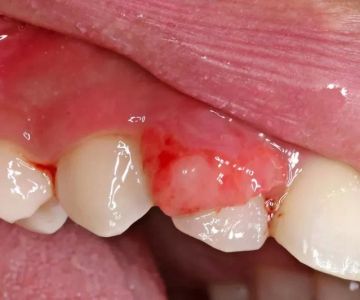
Most infections spread during oral sex when fluids such as semen, vaginal secretions, or blood come into contact with the mouth or throat. Small cuts or sores, even those you may not notice, can serve as entry points for viruses and bacteria. Poor oral hygiene, bleeding gums, or untreated cavities can increase the risk of transmission.
Oral-to-genital and genital-to-oral pathways
Infections can spread in both directions—someone with a mouth infection like herpes can transmit it to their partner’s genitals, while a partner with an STD can infect the throat or mouth of the person performing oral sex. This dual risk makes awareness and prevention especially important.
Diseases That Can Be Transmitted Through Oral Sex
1. Herpes Simplex Virus (HSV)
Cold sores caused by HSV-1 can spread to a partner’s genitals during oral sex. Similarly, HSV-2, typically linked with genital herpes, can be transmitted to the mouth or throat. Once contracted, herpes remains in the body and may flare up during times of stress or lowered immunity.
2. Human Papillomavirus (HPV)
HPV is one of the most common sexually transmitted infections in the U.S., and oral sex is a known transmission route. Certain high-risk HPV strains can cause oral and throat cancers, making awareness vital. In fact, HPV-related throat cancers have been steadily rising over the past two decades in America.
3. Gonorrhea and Chlamydia
Both gonorrhea and chlamydia can infect the throat. These bacterial infections may cause sore throats, swollen glands, or no symptoms at all, making them easy to overlook. Untreated, they can spread or lead to long-term complications.
4. Syphilis
Syphilis can be transmitted through oral sex if contact is made with a syphilitic sore. Early symptoms often appear as painless ulcers that may go unnoticed, but the disease can progress to severe health problems if untreated.
5. HIV
Though the risk of contracting HIV from oral sex is lower compared to vaginal or anal sex, it is not zero. The risk increases significantly if one partner has bleeding gums, mouth sores, or high viral load levels. Awareness of these factors helps minimize the chances of infection.
Factors That Influence Risk Levels
Oral health and hygiene
Good oral hygiene reduces risk by minimizing cuts, sores, and inflammation. Gum disease, cavities, or untreated infections increase vulnerability to pathogens. This is one reason why dentists stress the importance of consistent dental care—it plays a role beyond just keeping teeth clean.
Use of protection
Using condoms or dental dams significantly reduces the risk of disease transmission during oral sex. Though sometimes overlooked due to stigma or discomfort, these barriers are among the most effective methods of protection.
Partner’s health status
Knowing your partner’s STD status matters. Regular screenings, honest communication, and mutual trust are key to reducing risks and maintaining both partners’ health.
Personal Story: A Wake-Up Call
A college student in New York shared how he developed persistent throat pain after several months of unprotected oral sex. After visiting a clinic, he was diagnosed with gonorrhea of the throat—a condition he didn’t know existed. With antibiotics, he recovered quickly, but his story highlights how unrecognized and under-discussed these infections can be.
Prevention and Safe Practices
Regular dental check-ups
Visiting your dentist ensures that oral health issues like bleeding gums, cavities, or sores are treated early. This helps reduce potential entry points for infections. Providers such as Family Dentistry Online can recommend the right products and services to strengthen your oral health.
STD testing and vaccination
Routine STD screenings and vaccines for HPV and hepatitis B are crucial prevention tools. Even if you feel healthy, infections can be silent. Vaccination, combined with testing, gives peace of mind and better long-term health protection.
Safe sex education
Educating yourself and your partner about risks and preventive steps helps reduce stigma and builds healthier relationships. Open conversations lead to safer decisions and fewer surprises later.
Why Awareness Matters
Yes, you can get diseases from oral sex, but with awareness, preventive care, and healthier choices, the risks can be reduced dramatically. Recognizing the connection between oral health and sexual health emphasizes how caring for one area of your body often protects another. Being proactive means protecting your health today and for the future.

 Universal Dental of Elgin4.0 (71 review)
 Sarkissian Dentistry: Robert Sarkissian, DDS, MAGD5.0 (84 review)
 Comfort Dental Raytown4.0 (162 review)
 Milford Smiles4.0 (547 review)
 Dr. Dental: Dentistry & Braces4.0 (459 review)
 Bright Now! Dental & Orthodontics3.0 (191 review)
 The Importance of Oral Health Education During Pregnancy for a Healthy Pregnancy
 Best Tips for Brushing Your Teeth Properly for Healthy Gums: Essential Techniques for Oral Health
 Why Skipping Dental Checkups Can Lead to Bigger Oral Health Problems
 Advantages of Porcelain Dental Restorations
 How Can Diabetes Cause Tooth and Gum Problems? Preventing and Managing Oral Health Issues
 Healthy Habits for Promoting Good Oral Health and Hygiene: Tips for a Healthy Smile