
Understanding the Link Between Oral Health and Disease
Many people view oral health as limited to cavities or gum care, but the truth is far broader. The mouth is filled with bacteria, some harmless and some potentially dangerous. When oral hygiene is neglected, harmful bacteria can multiply, travel through the bloodstream, and cause or worsen serious health conditions. Asking "can you gain diseases through oral" health problems is important because the answer impacts not just teeth but the entire body.
1. How Oral Bacteria Enter the Bloodstream
The Pathway from Mouth to Body
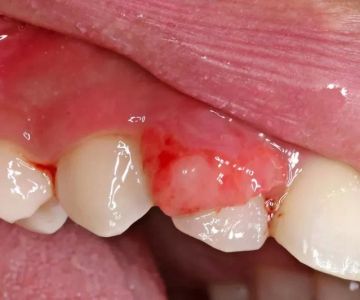
When gums are inflamed due to poor brushing or untreated plaque, small openings allow bacteria to enter the bloodstream. Once circulating, these bacteria can contribute to infections or inflammation in distant organs. This process explains why gum disease has been linked to conditions like heart disease and diabetes. Simple daily habits, such as brushing and flossing, act as the first defense against bacteria entering the body.
Real-Life Example
One American man shared his experience of severe gum disease leading to frequent chest infections. His doctors confirmed that untreated oral bacteria had contributed to worsening his respiratory health. After improving his oral care and visiting his dentist regularly, his infections decreased, showing how oral health can directly affect overall wellness.
2. Diseases Commonly Connected to Oral Health
Cardiovascular Problems
Research has found that bacteria from gum disease may harden arteries, increasing the risk of heart attack and stroke. This connection demonstrates how neglecting oral hygiene can impact cardiovascular health in surprising ways.
Diabetes Complications
Diabetes and oral health share a two-way relationship. Poor oral hygiene can worsen blood sugar control, while uncontrolled diabetes makes gum disease more likely. This cycle can increase the likelihood of infections, making oral care crucial for diabetic patients.
Respiratory Infections
Bacteria from the mouth can be inhaled into the lungs, leading to infections like pneumonia. Older adults and those with weakened immune systems are particularly at risk. Preventing oral disease helps protect the lungs and overall respiratory function.
Pregnancy Risks
Oral infections may contribute to premature births and low birth weight in infants. Pregnant women are often advised to maintain careful oral care routines and see a dentist regularly to reduce these risks. Healthy gums help ensure a safer pregnancy and healthier outcomes for babies.
3. Oral Diseases That Can Spread Person-to-Person
The Role of Saliva
Some oral infections, like cold sores caused by the herpes simplex virus, can be transmitted through kissing or sharing utensils. Gum disease bacteria may also spread among family members, making household oral hygiene practices important. Regular cleanings and personal toothbrush use help reduce this transmission risk.
4. Preventing Diseases Linked to Oral Health
Everyday Actions
Brushing with fluoride toothpaste, flossing daily, and using antibacterial mouth rinses significantly lower harmful bacteria in the mouth. Replacing toothbrushes every three months and avoiding shared oral items further reduces risks.
Professional Dental Care
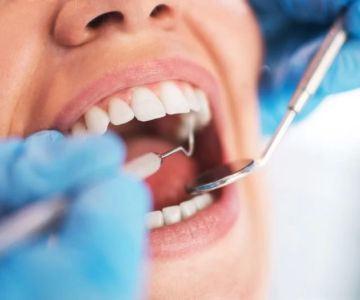
Regular dental checkups allow early detection of gum disease, infections, or decay before they spread. Dental professionals can perform deep cleanings that remove tartar beyond the reach of at-home care. Visiting a trusted provider like Family Dentistry Online helps individuals get tailored care and reliable advice for protecting both oral and overall health.
5. Why Oral Hygiene Matters Beyond the Mouth
The Big Picture
The question of whether you can gain diseases through oral health problems has a clear answer: yes. The connection between the mouth and the rest of the body is undeniable. From heart health to pregnancy, respiratory conditions, and daily confidence, oral care plays a vital role. By treating oral hygiene as part of whole-body health, people can live longer, healthier, and more fulfilling lives.

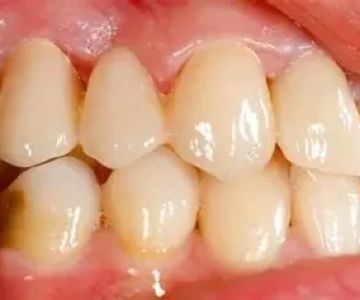
 Polaris Dental Care4.0 (170 review)
 Karen Y. Petty, DDS, PA4.0 (56 review)
 Love Dental Arts5.0 (66 review)
 Endodontic Specialists of Illinois4.0 (57 review)
 Red Cedar Dental Care4.0 (104 review)
 Mike Shannon, D.D.S5.0 (109 review)
 The Importance of Oral Health Education During Pregnancy for a Healthy Pregnancy
 Best Tips for Brushing Your Teeth Properly for Healthy Gums: Essential Techniques for Oral Health
 Why Skipping Dental Checkups Can Lead to Bigger Oral Health Problems
 Advantages of Porcelain Dental Restorations
 How Can Diabetes Cause Tooth and Gum Problems? Preventing and Managing Oral Health Issues
 Healthy Habits for Promoting Good Oral Health and Hygiene: Tips for a Healthy Smile