
- 1. Can Teeth Shift After Braces?
- 2. Why Do Teeth Shift After Braces?
- 3. How to Prevent Teeth from Shifting
- 4. The Role of Retainers in Preventing Teeth Shift
- 5. When to See Your Dentist About Teeth Shifting
- 6. Explore Dental Care Services at Family Dentistry Online
1. Can Teeth Shift After Braces?
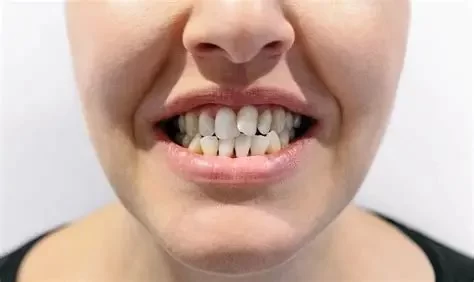
After you’ve spent months or even years wearing braces, you may wonder if your teeth can shift naturally after the braces come off. The answer is yes, teeth can shift after braces if they aren’t properly maintained. This is a common concern for many people who have completed their orthodontic treatment and are eager to maintain their newly aligned smile.
While braces are effective at straightening teeth, they don’t guarantee that the teeth will stay in their new positions forever. Without proper aftercare, your teeth are at risk of gradually moving back toward their original position, a phenomenon known as relapse. This is why it’s crucial to follow the post-braces instructions given by your orthodontist.
2. Why Do Teeth Shift After Braces?
Teeth shifting after braces is often a result of the natural forces in your mouth. Once the braces are removed, your teeth are still settling into their new positions. Here are some common reasons why teeth can shift:
- Loss of Retainer Usage: After braces, your teeth are still in the process of stabilizing. If you stop wearing your retainer as recommended, your teeth can begin to shift back to their original positions.
- Changes in Jaw Structure: As we age, the jawbone can naturally change shape, and this can affect the alignment of your teeth, especially if you’re no longer wearing a retainer.
- Teeth Grinding or Clenching: Habitual grinding or clenching can place pressure on your teeth and cause them to shift, even after you’ve had braces.
- Failure to Follow Post-Treatment Instructions: Orthodontists give specific instructions after braces removal, such as wearing retainers and scheduling regular check-ups. Failing to follow these can result in shifting teeth.
3. How to Prevent Teeth from Shifting
Preventing teeth from shifting after braces requires diligent care and maintenance. Here are a few steps you can take to ensure your teeth stay in their new, aligned positions:
- Wear Retainers as Directed: The most important step in preventing teeth from shifting is wearing your retainer as prescribed by your orthodontist. Initially, this may be all the time, but over time, it may reduce to nightly wear.
- Keep Up with Regular Check-Ups: After braces, it’s essential to attend regular follow-up appointments with your orthodontist to monitor your teeth’s alignment and make any necessary adjustments.
- Practice Good Oral Hygiene: Maintaining good oral hygiene ensures your teeth remain healthy and strong. This also reduces the risk of gum disease or decay, which can affect tooth position.
- Avoid Habits that Can Damage Your Teeth: Avoid habits such as teeth grinding, nail-biting, or chewing on hard objects, as these can cause unnecessary pressure on your teeth and promote shifting.
4. The Role of Retainers in Preventing Teeth Shift
Retainers are an essential part of your post-braces treatment plan. They help maintain the position of your teeth after the braces come off. A retainer holds your teeth in their new position while the bone and soft tissue around your teeth adjust and stabilize. Without wearing your retainer as directed, there’s a high risk of your teeth shifting.
There are two main types of retainers:
- Fixed Retainers: These are bonded to the back of your teeth, typically on the lower front teeth, and are designed for long-term use. Fixed retainers are a great option for those who may have trouble remembering to wear removable retainers.
- Removable Retainers: These retainers are worn over the teeth and can be taken out for eating, brushing, and flossing. They are typically worn at night but may require daytime wear during the initial post-treatment period.
5. When to See Your Dentist About Teeth Shifting
If you notice that your teeth are shifting or if you’ve stopped wearing your retainer and suspect that your teeth are moving, it’s important to consult with your orthodontist or dentist as soon as possible. Early intervention can help prevent further shifting and avoid the need for additional treatment, such as braces or aligners.
Signs that you should schedule an appointment include discomfort in your teeth or jaw, difficulty with your retainer, or visible changes in the alignment of your teeth. Your dentist can assess the situation and recommend the best course of action to restore your smile.
6. Explore Dental Care Services at Family Dentistry Online
For those who are concerned about teeth shifting after braces, Family Dentistry Online provides expert services to help maintain your dental health. Whether you're looking for advice on retainer use, need orthodontic check-ups, or want to discuss further treatments, Family Dentistry Online can offer the support you need to keep your teeth straight and healthy.
Visit Family Dentistry Online to learn more about how we can assist you in maintaining your beautiful, straight smile after braces.

 Dr. Aziz Bohra, DDS | Avondale4.0 (10 review)
 Ahoyt Family Dental4.0 (619 review)
 Celebrate Dental & Braces5.0 (229 review)
 Children's Dental Specialists & Adult Dentistry - Chester5.0 (37 review)
 Summit Pediatric Dentistry4.0 (145 review)
 Dr. Sapna Patla, DDS4.0 (150 review)
 The Importance of Oral Health Education During Pregnancy for a Healthy Pregnancy
 Best Tips for Brushing Your Teeth Properly for Healthy Gums: Essential Techniques for Oral Health
 Why Skipping Dental Checkups Can Lead to Bigger Oral Health Problems
 Advantages of Porcelain Dental Restorations
 How Can Diabetes Cause Tooth and Gum Problems? Preventing and Managing Oral Health Issues
 Healthy Habits for Promoting Good Oral Health and Hygiene: Tips for a Healthy Smile