
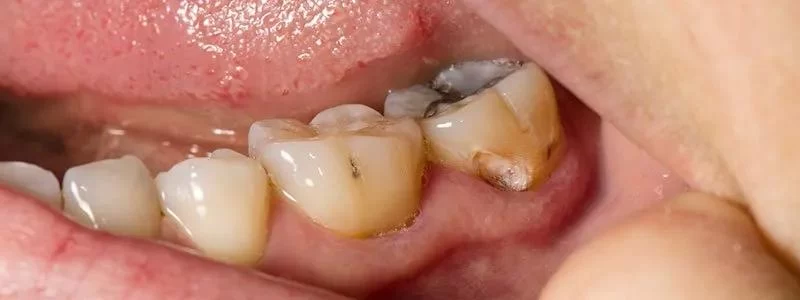
Can Regular Oral Hygiene Help Heal Leukoplakia?
Leukoplakia is a condition that manifests as white or grayish patches in the mouth, often appearing on the tongue, gums, or the inside of the cheeks. While these patches might not always be harmful, some forms of leukoplakia can lead to more severe issues like oral cancer. So, it’s crucial to manage and monitor this condition carefully. One of the most common questions people ask when diagnosed with leukoplakia is whether regular oral hygiene can help heal the condition. In this article, we’ll dive deep into the role of oral hygiene in managing leukoplakia and explore other essential treatments and strategies for improving oral health.
1. What is Leukoplakia and What Causes It?
Leukoplakia refers to the formation of white patches on the mucous membranes of the mouth. It can occur for a variety of reasons, but the primary cause is often linked to irritation of the oral tissues. Common irritants include smoking, alcohol consumption, poor-fitting dentures, and rough teeth. Although leukoplakia itself is not cancerous, it can sometimes be a precursor to oral cancer, making early detection and intervention important.
Other factors that may contribute to the development of leukoplakia include:
- Chronic tobacco use: Smoking and chewing tobacco are the most significant risk factors.
- Alcohol: Excessive alcohol consumption may increase the risk of leukoplakia.
- Infections: Certain viral infections, such as HPV (Human Papillomavirus), have been linked to leukoplakia.
2. How Oral Hygiene Plays a Role in Managing Leukoplakia
Regular oral hygiene is crucial for maintaining a healthy mouth and preventing further irritation of the mucous membranes. While oral hygiene alone may not "cure" leukoplakia, it can significantly reduce the risk of irritation and inflammation, which can help in managing the condition. Here are some ways that good oral hygiene can play a part in the healing process:
- Prevents Additional Irritation: Consistent brushing and flossing help remove plaque and food particles, reducing the chances of further irritation to the patches of leukoplakia.
- Reduces Bacterial Growth: Good oral hygiene practices prevent the buildup of harmful bacteria, which could exacerbate oral health issues, including leukoplakia.
- Improves Oral Health: Healthy teeth and gums can promote overall oral health, potentially reducing the severity of leukoplakia symptoms.
3. Effective Oral Hygiene Practices for Leukoplakia
To optimize oral health and help manage leukoplakia, here are some practical tips for effective oral hygiene:
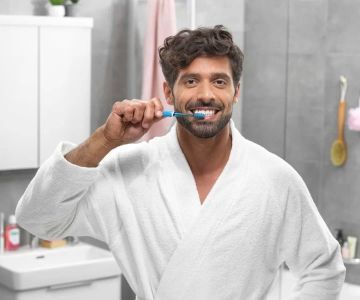
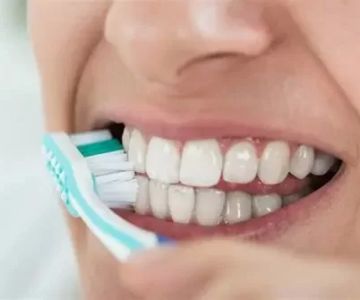
- Brushing: Brush your teeth at least twice a day using a fluoride toothpaste. Make sure to gently brush the affected areas of your mouth to avoid causing additional irritation.
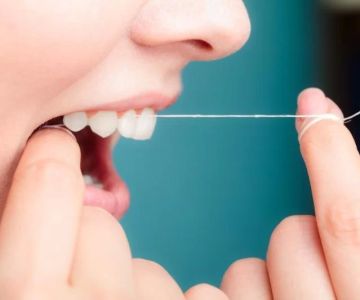
- Flossing: Floss daily to remove food particles and plaque between your teeth, areas that a toothbrush can’t reach. This will help reduce the risk of infection and promote oral health.
- Using an Antiseptic Mouthwash: Rinse your mouth with an alcohol-free, antiseptic mouthwash to reduce bacteria and inflammation. Make sure the mouthwash is gentle on the mucous membranes and does not cause further irritation.
- Regular Dental Visits: Seeing your dentist regularly allows for professional monitoring of leukoplakia. Your dentist can track the development of the patches and may suggest specific treatments if necessary.
4. Can Oral Hygiene Alone Heal Leukoplakia?
While regular oral hygiene can significantly help in managing leukoplakia, it is unlikely to "heal" the condition on its own, especially in more severe cases. Leukoplakia patches can sometimes resolve with proper oral hygiene if the underlying causes (such as smoking or irritation from dentures) are addressed. However, in some instances, more specialized treatment may be required.
If leukoplakia does not improve with improved oral care, your dentist or doctor may suggest additional treatments, such as:
- Topical Medications: Corticosteroids or other topical treatments can help reduce inflammation and promote healing in some cases.
- Surgical Removal: In cases where the patches are thick or suspected to be precancerous, your healthcare provider might recommend removing them surgically.
- Laser Therapy: Laser treatment is sometimes used to remove patches of leukoplakia, especially if the condition is not responding to other treatments.
5. The Importance of Lifestyle Changes
In addition to maintaining proper oral hygiene, making lifestyle changes can greatly reduce the risk of developing or worsening leukoplakia. Some of the most effective lifestyle changes include:
- Quit Smoking: Smoking is a leading cause of leukoplakia and a significant risk factor for oral cancer. Quitting smoking can drastically reduce your risk and improve your oral health.
- Limit Alcohol Consumption: Alcohol, especially when combined with smoking, increases the likelihood of developing leukoplakia and oral cancer. Reducing alcohol intake can significantly lower your risk.
- Maintain a Healthy Diet: Eating a diet rich in fruits and vegetables, particularly those with antioxidants, may help promote healing and improve oral health.
6. Real-Life Story: How Good Oral Hygiene Helped One Patient
One patient, Jennifer, was diagnosed with leukoplakia after years of smoking and alcohol use. Initially, her doctor was concerned about the possibility of her condition progressing to oral cancer. However, after making significant changes to her lifestyle, including quitting smoking and improving her oral hygiene, Jennifer noticed that the white patches on her mouth began to shrink and heal. With regular dental checkups and consistent oral care, her leukoplakia was successfully managed without requiring invasive treatments.
This story highlights how making positive changes to your oral hygiene routine, combined with lifestyle changes, can help manage leukoplakia and promote overall oral health.
If you're dealing with leukoplakia, it's essential to consult with your dentist regularly for advice tailored to your situation. Visit Dentistry Toothtruth for more information and professional recommendations to manage your oral health effectively.

 Center City Pediatric Dentistry and Orthodontics4.0 (43 review)
 Buffalo Grove Orthodontics (formerly Weintraub & Eltink Orthodontics)4.0 (42 review)
 Scott Silverman, MD3.0 (6 review)
 OMS Nashville - Dental Implants & Oral Surgery4.0 (245 review)
 Plaza Family Dental Group3.0 (13 review)
 Mark C Svore & Associates4.0 (22 review)
 The Importance of Oral Health Education During Pregnancy for a Healthy Pregnancy
 Best Tips for Brushing Your Teeth Properly for Healthy Gums: Essential Techniques for Oral Health
 Why Skipping Dental Checkups Can Lead to Bigger Oral Health Problems
 Advantages of Porcelain Dental Restorations
 How Can Diabetes Cause Tooth and Gum Problems? Preventing and Managing Oral Health Issues
 Healthy Habits for Promoting Good Oral Health and Hygiene: Tips for a Healthy Smile