
Understanding Oral Thrush and Its Connection to Oral Hygiene
Oral thrush, also known as oropharyngeal candidiasis, is a fungal infection caused by an overgrowth of Candida species, primarily Candida albicans, in the mouth. While this yeast normally lives harmlessly in the mouth, an imbalance can lead to painful white patches and discomfort. A common question many ask is, can bad oral hygiene cause thrush? The answer involves understanding how oral hygiene impacts the delicate balance of microorganisms in the mouth.
Poor oral hygiene creates an environment where harmful bacteria and fungi can flourish. When teeth, gums, and the tongue are not properly cleaned, food particles and plaque accumulate, which can disrupt the natural ecosystem of the mouth. This disruption reduces the competition against Candida, allowing it to multiply unchecked. Over time, this can lead to oral thrush, especially in individuals with weakened immune systems or other predisposing factors.
How Poor Oral Hygiene Contributes to Thrush Development
There are several mechanisms by which inadequate oral care contributes to thrush:
- Accumulation of Plaque and Debris: Without regular brushing and flossing, plaque builds up, providing a sticky surface for Candida to adhere to and grow.
- Dry Mouth Conditions: Poor hygiene often correlates with neglect of hydration and saliva flow. Saliva naturally fights fungal growth, so a dry mouth can accelerate thrush.
- Impaired Immune Response: Plaque and bacteria inflammation may weaken local immune defenses, reducing the mouth’s ability to suppress fungal overgrowth.
Therefore, maintaining good oral hygiene is a critical preventative measure against oral thrush.
Other Common Causes of Oral Thrush in the United States
While bad oral hygiene is a significant factor, it’s important to recognize other common causes of oral thrush. Many people with excellent dental care still experience thrush due to systemic or lifestyle factors.
1. Use of Antibiotics or Steroids: Broad-spectrum antibiotics can kill beneficial bacteria that keep Candida in check. Similarly, inhaled corticosteroids for asthma or allergies, if not properly rinsed out after use, can increase thrush risk.
2. Weakened Immune System: Individuals with diabetes, HIV/AIDS, cancer patients undergoing chemotherapy, or those on immunosuppressive drugs are more susceptible.
3. Denture Use: Poorly fitting or unclean dentures provide an ideal surface for Candida colonization, especially if worn overnight.
4. Smoking and Diet: Tobacco use and high sugar diets can disrupt oral flora, promoting fungal growth.
Recognizing the Symptoms of Oral Thrush
Early detection helps prevent complications. Symptoms to watch for include:
- White, creamy patches on the tongue, inner cheeks, gums, or throat.
- Redness or soreness causing difficulty eating or swallowing.
- Cracking at the corners of the mouth.
- A cottony feeling in the mouth or loss of taste.
If these symptoms occur, it’s important to consult a healthcare provider for diagnosis and treatment.
Effective Prevention and Treatment Strategies
Good oral hygiene remains the cornerstone of preventing oral thrush. Here’s a comprehensive approach:
1. Maintain Consistent Oral Care
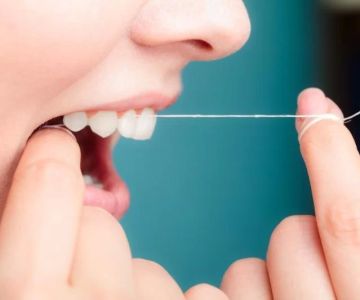
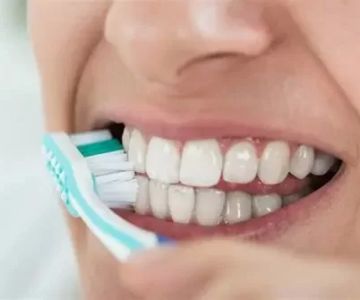
Brush your teeth at least twice daily with fluoride toothpaste, floss regularly, and clean your tongue. For denture wearers, remove and clean dentures every night.
2. Manage Underlying Health Conditions
Control diabetes, limit unnecessary antibiotic use, and follow medical advice carefully when using inhaled steroids.
3. Hydrate and Avoid Irritants
Drink plenty of water to maintain saliva flow. Avoid tobacco and reduce sugar intake to help maintain a balanced oral microbiome.
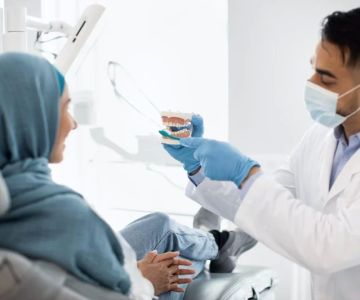
4. Professional Dental Care
Regular dental checkups can detect early signs of oral infections and help maintain optimal oral health.
Treatment for established thrush typically involves antifungal medications, prescribed by a healthcare professional, which may include oral rinses or lozenges.
Real-Life Experience: Thrush from Neglected Oral Hygiene
Jessica, a 34-year-old teacher from Ohio, shared her story about how poor oral habits led to painful oral thrush. After months of neglecting proper brushing due to a hectic schedule, she noticed white patches and soreness. At first, she dismissed it as a canker sore, but the discomfort worsened. A visit to her dentist revealed thrush caused by plaque buildup and dry mouth.
Jessica’s experience highlights how easy it is to overlook oral hygiene and the importance of early intervention. Following professional treatment and renewed oral care, she made a full recovery and now advocates for daily hygiene routines among her students and colleagues.
If you experience symptoms or want to ensure your oral health is on track, visit Dentistry Toothtruth for expert guidance and personalized care recommendations tailored to your needs.


 Glendale Holistic Dentistry - Los Angeles Dentists Group4.0 (19 review)
 Aesthetic Smile Designs5.0 (114 review)
 Baseline Dental Care | Dentist In Rialto4.0 (387 review)
 Emergency Dentist 24/72.0 (3 review)
 Gurnee Dental Care: Gary C Kaplan, DDS5.0 (1 review)
 Nordstrom Orthodontics - Johnston4.0 (69 review)
 The Importance of Oral Health Education During Pregnancy for a Healthy Pregnancy
 Best Tips for Brushing Your Teeth Properly for Healthy Gums: Essential Techniques for Oral Health
 Why Skipping Dental Checkups Can Lead to Bigger Oral Health Problems
 Advantages of Porcelain Dental Restorations
 How Can Diabetes Cause Tooth and Gum Problems? Preventing and Managing Oral Health Issues
 Healthy Habits for Promoting Good Oral Health and Hygiene: Tips for a Healthy Smile