
1. The Overlooked Connection Between Oral Hygiene and Blood Pressure
Most people brush their teeth to prevent cavities or freshen their breath—but few realize the potential impact their oral hygiene has on heart health. Recent research from the American Heart Association and other leading institutions has highlighted a compelling link between poor dental hygiene and high blood pressure (hypertension).
It may seem surprising at first, but the mouth is a gateway to the entire body. Just as bacteria can enter the digestive system or bloodstream through cuts, harmful bacteria from gum infections can travel through inflamed gums and affect blood vessels, possibly leading to elevated blood pressure. This has been increasingly supported by studies over the past decade.
2. How Gum Disease May Contribute to High Blood Pressure
2.1 Inflammation and Systemic Stress
Gum disease, or periodontitis, is a chronic inflammatory condition. When the gums are infected, the immune system continuously tries to fight off bacteria. This ongoing battle causes systemic inflammation throughout the body. Chronic inflammation has been strongly associated with the narrowing of arteries, which increases vascular resistance—leading to high blood pressure.
2.2 Bacteria in the Bloodstream
Bleeding gums are a sign that bacteria may be entering your bloodstream. Once inside, these bacteria can damage the inner linings of blood vessels, known as the endothelium. Damaged endothelium can't dilate properly, contributing to restricted blood flow and pressure buildup.
2.3 The Role of the Immune System
The immune response to oral bacteria doesn't stay localized. Proteins and cells activated to fight dental infections can inadvertently affect other tissues, including the arteries. These immune reactions can increase plaque buildup in the arteries—a leading factor in hypertension and heart attacks.
3. Real-Life Story: When a Routine Cleaning Saved More Than Just Teeth
Michael, a 52-year-old truck driver from Indiana, had never given much thought to his gums. He rarely saw a dentist and suffered from swollen, bleeding gums for years. It wasn't until a routine blood pressure check at a company health screening revealed readings of 160/100 that he began to worry.
His doctor suggested a dental exam, where he was diagnosed with moderate periodontitis. After six months of periodontal treatment—including deep cleanings, improved home care, and antibacterial rinses—his blood pressure dropped to 128/84 without any medication changes.
Michael’s case, though anecdotal, reflects findings from research suggesting patients who undergo periodontal therapy often experience modest but meaningful reductions in blood pressure—especially those with pre-existing hypertension.
4. What the Science Says: Key Studies and Findings
4.1 The AHA Study on Gum Health and Hypertension
A major review published by the American Heart Association in 2021 found that individuals with severe gum disease were up to 20% more likely to have high blood pressure than those with healthy gums. This study, which included data from over 250,000 people globally, emphasized that treating gum disease may help reduce hypertension.
4.2 UK Biobank and Cardiovascular Disease
Data from the UK Biobank project, which tracked over 500,000 individuals, also supported a strong association between poor oral health and cardiovascular issues. Participants who reported frequent gum bleeding or tooth loss had a significantly higher incidence of hypertension and stroke over time.
4.3 Harvard and the Oral-Systemic Health Paradigm
Harvard researchers have been at the forefront of the oral-systemic health conversation, suggesting that oral inflammation and systemic diseases like diabetes and high blood pressure are closely intertwined. Their models predict that improvements in oral hygiene could reduce cardiovascular disease risk by up to 12% in at-risk populations.
5. Warning Signs That Your Oral Health Could Be Harming Your Heart
5.1 Bleeding or Swollen Gums
This is one of the earliest signs of gum disease and should not be ignored. Healthy gums don't bleed with brushing or flossing. Persistent bleeding suggests the presence of bacteria and inflammation that could affect your entire body.
5.2 Persistent Bad Breath
Chronic halitosis (bad breath) can be more than just a nuisance—it often stems from bacterial overgrowth and decay beneath the gum line, signaling more severe underlying issues.
5.3 Gum Recession and Loose Teeth
When the gums recede, pockets form between the teeth and gums, which harbor bacteria and can lead to bone loss. This is a red flag for periodontitis, which has been linked to increased cardiovascular risk.
6. What You Can Do to Protect Your Heart Through Oral Health
6.1 Daily Oral Care Routines
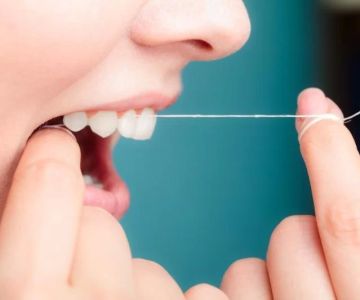
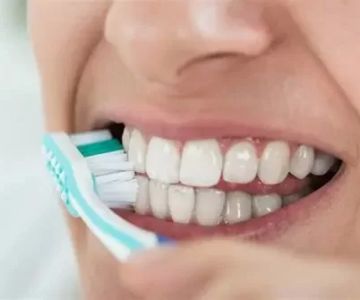
Brush your teeth twice daily with a fluoride toothpaste and floss at least once a day. Consider adding an antibacterial mouthwash to your routine to help reduce plaque and bacterial load. Don’t forget to brush your tongue—it harbors bacteria too.
6.2 Regular Dental Visits
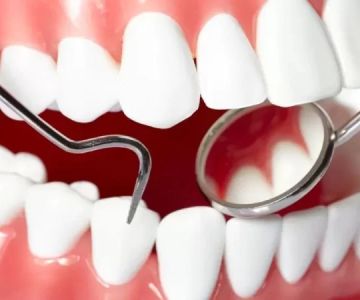
Don’t wait for a toothache. Dental professionals can identify early signs of gum disease before symptoms appear. Aim for cleanings every six months, or more frequently if you’ve already been diagnosed with periodontal issues.
6.3 Lifestyle Adjustments
Quit smoking, eat a balanced diet rich in fiber and low in added sugars, and manage stress. All these factors contribute not only to healthier gums but also to lower blood pressure and better heart health.
7. Where to Get Help – Trust Family Dentistry Online
If you're concerned that your oral health may be affecting your overall wellness—including your blood pressure—it’s time to act. At Family Dentistry Online, we connect you with trusted, experienced dental professionals who specialize in preventative care and periodontal treatment.
Your heart and gums are more connected than you think. With the right care and guidance, you can take steps to protect both. Visit Family Dentistry Online to find a provider who can help you take control of your health from the inside out.



 Family Dental Care4.0 (212 review)
 Bright Smiles 4 Kids Pediatric Dentistry & Orthodontics4.0 (21 review)
 Smiles With Care Dentistry - Nancy Bouchard DDS5.0 (150 review)
 James. A. Stevens, DMD - Family Dental Practice5.0 (2 review)
 Rialto Dental Park5.0 (1 review)
 First Choice Dental- Verona4.0 (367 review)
 The Importance of Oral Health Education During Pregnancy for a Healthy Pregnancy
 Best Tips for Brushing Your Teeth Properly for Healthy Gums: Essential Techniques for Oral Health
 Why Skipping Dental Checkups Can Lead to Bigger Oral Health Problems
 Advantages of Porcelain Dental Restorations
 How Can Diabetes Cause Tooth and Gum Problems? Preventing and Managing Oral Health Issues
 Healthy Habits for Promoting Good Oral Health and Hygiene: Tips for a Healthy Smile