
Can Bad Oral Hygiene Cause Depression? Exploring the Hidden Link
1. Understanding the Connection Between Oral Health and Mental Health
In the United States, millions of people struggle with both poor dental hygiene and mental health conditions. While these issues may seem unrelated at first glance, research has shown that oral health and emotional well-being are closely connected. Poor oral hygiene can lead to gum disease, tooth loss, and chronic pain, all of which can negatively impact self-esteem and social confidence. Over time, this decline in confidence can contribute to depression, anxiety, and feelings of isolation. Dentists and psychologists now agree that oral hygiene is more than just a physical health matter—it’s also a key part of mental wellness.
2. The Biological Impact of Poor Oral Hygiene on the Brain
Chronic inflammation caused by gum disease does more than damage teeth and gums—it also releases harmful bacteria into the bloodstream. These bacteria can trigger inflammatory responses throughout the body, including the brain. Inflammation in the brain has been linked to mood disorders such as depression. A growing number of studies suggest that individuals with untreated periodontitis or advanced dental issues are at a higher risk of experiencing depressive symptoms. This biological link highlights how maintaining oral health may play a protective role against mental health decline.
3. Emotional Struggles That Stem from Dental Problems
Beyond the biological impact, the emotional toll of poor oral hygiene can be devastating. People with visible dental issues—such as missing teeth, bad breath, or noticeable decay—often report embarrassment in social settings. This embarrassment can lead to avoidance of social interactions, withdrawal from relationships, and even difficulties in professional settings where confidence is key. Over time, these social challenges can deepen into clinical depression. A middle-aged woman from Texas, for example, shared her story of avoiding family gatherings for years due to embarrassment about her teeth. Once she received proper dental care, she noticed not only a healthier smile but also a significant lift in her overall mood.
4. Real-Life Evidence: Case Studies and Research Findings
A 2019 study conducted by the American Journal of Psychiatry highlighted that individuals with poor dental hygiene were 37% more likely to experience depression. Another clinical report found that patients who received restorative dental treatments reported improved self-esteem and a reduction in depressive symptoms within six months. These findings confirm what many mental health professionals already observe: oral health problems do not just stay in the mouth—they affect the entire well-being of a person. Stories of recovery are equally powerful; many patients describe dental care as a turning point in reclaiming both their confidence and happiness.
5. Expert Insights: Why Preventive Care Matters
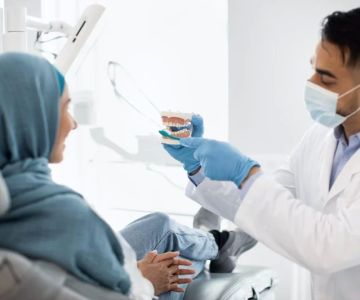
Dental experts emphasize that preventive care—such as regular brushing, flossing, and professional cleanings—goes far beyond cavity prevention. Consistent oral hygiene supports overall health, reducing the chances of infections and inflammation that can affect the brain and mood. Psychologists also stress the role of routine dental care in building self-confidence and promoting social engagement. By maintaining healthy oral habits, individuals not only protect their physical health but also give themselves an emotional boost. Clinics like Family Dentistry Online encourage patients to treat oral health as part of their mental health routine.
6. Practical Tips to Protect Both Your Smile and Your Mental Wellness
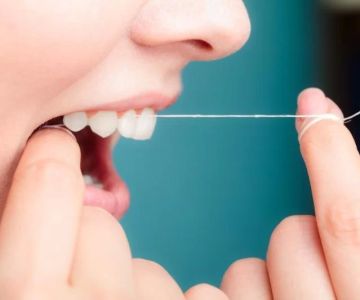
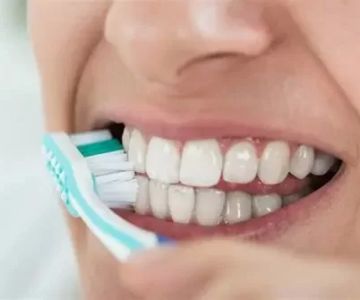
Taking small but consistent steps can greatly reduce the risk of both oral and mental health struggles. Here are key recommendations:1. Brush your teeth at least twice daily with fluoride toothpaste.2. Floss regularly to prevent gum disease and reduce inflammation.3. Schedule professional dental checkups at least twice a year.4. Pay attention to early warning signs such as bleeding gums, persistent bad breath, or tooth sensitivity.5. Address dental concerns promptly to prevent them from escalating into larger health and emotional issues.By combining these habits with a balanced diet, regular exercise, and mental health support when needed, you can ensure both a healthy mouth and a stronger sense of emotional well-being.
7. The Bigger Picture: Oral Health as a Gateway to Confidence and Happiness
When people take control of their oral hygiene, they often discover an unexpected benefit: greater self-confidence and emotional stability. Smiling without hesitation, engaging freely in conversations, and feeling comfortable in public spaces all contribute to improved quality of life. While depression has many causes, the role of oral hygiene should not be underestimated. Americans who commit to regular dental care often find themselves not only healthier but also happier and more resilient. Seeking care from trusted providers such as Family Dentistry Online ensures that individuals receive the support they need to maintain both their smiles and their emotional well-being.


 Miracle Mile Comprehensive Dental Center4.0 (82 review)
 Midland Park Family Dentistry5.0 (447 review)
 Absolute Dental - Lake Mead4.0 (332 review)
 Brandon L. Cairo, DMD, PC5.0 (103 review)
 Desire Dental Care4.0 (257 review)
 Metro Smiles Gage Park2.0 (36 review)
 The Importance of Oral Health Education During Pregnancy for a Healthy Pregnancy
 Best Tips for Brushing Your Teeth Properly for Healthy Gums: Essential Techniques for Oral Health
 Why Skipping Dental Checkups Can Lead to Bigger Oral Health Problems
 Advantages of Porcelain Dental Restorations
 How Can Diabetes Cause Tooth and Gum Problems? Preventing and Managing Oral Health Issues
 Healthy Habits for Promoting Good Oral Health and Hygiene: Tips for a Healthy Smile