
Can a Dentist Deregister You Without Warning? What You Need to Know
Trending Blog Articles
emergency dentist moreno valleyemergency dental care queens nydickson pediatric dentistryemergency dentist glendale azstress oral ulcersoverbite open bite24 hour emergency dentist syracuse nyrio rancho dentist24 hour dental emergency columbus ohiodentist warren ohioenamel strengthening foodshow long does it take a mouth ulcer to healemergency dentist conway arweymouth family dental weymouth maemergency dentist bronx nydentist middleburg heights ohiofloss for sensitive gumsdeclezvilledentist twinsburgdentist in east la
Popular Dental Blog Posts
 At-Home vs Professional Dental Treatments: Which Is Best for You?
Learn the differences between at-home and professional dental treatments. Find out when to choose at-home care and when professional treatment is needed for your oral health.
 Tooth Pain Relief: Latest Advances and Technology Updates You Should Know
"Explore the latest advances in tooth pain relief, from cutting-edge technologies like laser dentistry to effective home remedies. Learn how to manage and treat tooth pain with expert-backed solutions."
 Screening in the United States: Before and After - What to Expect
Learn what to expect before and after health screening procedures in the United States. Explore the screening process, patient expectations, and tips for a smooth experience. Understanding Screening in the United States Pre-Screening: What to Expect The Screening Process: What Happens Post-Screening: What Happens NextUnderstanding Screening in the United StatesHealth screenings are an essential part of preventive healthcare in the United States. These procedures allow healthcare providers to detect potential health issues early, often before symptoms appear. Screening can help with the early identification of diseases such as cancer, diabetes, heart disease, and more. Regular screenings can improve the chances of successful treatment and help patients maintain a healthy lifestyle.In the U.S., different types of screenings are recommended based on age, sex, and health history. For example, adults might undergo blood pressure checks, cholesterol tests, mammograms, colonoscopies, or even genetic screenings depending on their risk factors. Understanding what to expect before, during, and after screening can help patients feel more comfortable and informed throughout the process.Pre-Screening: What to ExpectBefore undergoing any screening, patients typically receive instructions regarding preparation. These instructions may vary depending on the type of screening but generally involve fasting, avoiding certain medications, or wearing specific clothing. It’s crucial to follow these guidelines to ensure accurate results and avoid any delays or complications.For example, if you are scheduled for a blood test, you may be asked to fast for 12 hours beforehand. For imaging screenings like a mammogram or CT scan, you may need to avoid using lotions or powders on the area being scanned. Being prepared ahead of time can make the screening process smoother and help ensure that the results are as accurate as possible.It’s also important to bring any relevant medical records or a list of medications you’re currently taking. This information can provide valuable context for the healthcare provider conducting the screening.The Screening Process: What HappensOnce you arrive at the healthcare facility for your screening, the process typically begins with a check-in and confirmation of your medical history and any necessary paperwork. Depending on the type of screening, the procedure itself can take anywhere from a few minutes to an hour.For example, during a mammogram, you’ll be asked to stand in front of a machine that will take X-ray images of your breasts. During a colonoscopy, a thin tube with a camera will be inserted into your colon to look for abnormalities. Though some screenings may involve minimal discomfort, most are quick and straightforward. Healthcare providers strive to make the process as comfortable as possible.During this phase, you may be asked to stay still or hold your breath while the screening is conducted. Some procedures, like blood tests, might require only a quick sample from your arm. The duration of your stay largely depends on the complexity of the procedure.Post-Screening: What Happens NextAfter your screening, you may be asked to wait for results or return for follow-up appointments, depending on the procedure. In many cases, you’ll receive your results in a few days to a week. If the results are normal, you may not need to take any further action and can continue with your routine healthcare regimen. However, if the screening identifies potential health issues, further diagnostic tests or treatments may be recommended.For example, if a mammogram detects an abnormality, additional imaging or a biopsy may be necessary. If a colonoscopy finds polyps, they may be removed and analyzed. Your doctor will explain the results to you in detail and guide you through the next steps, ensuring that you have the information you need to make informed decisions about your health.It’s important to remember that not all screenings result in a diagnosis. Sometimes, follow-up tests are just precautionary measures to rule out potential issues. Regardless of the outcome, screenings play a critical role in maintaining your overall health and well-being.If you’re due for a screening or want to learn more about the different types of health screenings available in the United States, visit Family Dentistry Online for expert advice and assistance with your healthcare needs.
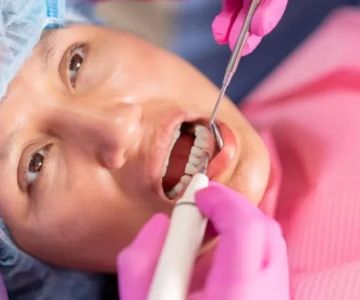 Long-Term Success for Adults: How Gum Disease Improves Your Overall Health
Learn how maintaining gum health can improve your overall health. Discover expert advice on preventing gum disease, treatment options, and real-life recovery stories for long-term success.
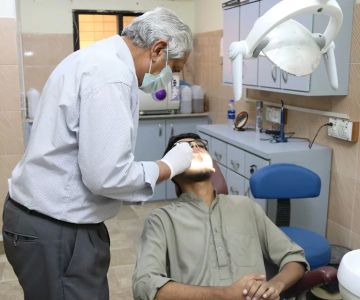 Best Practices for Managing Diabetes and Oral Health: Tips for Long-Term Success
Learn how to manage diabetes and maintain optimal oral health with our tips on brushing, flossing, and regular dental visits. Prevent gum disease and tooth decay with the right practices.
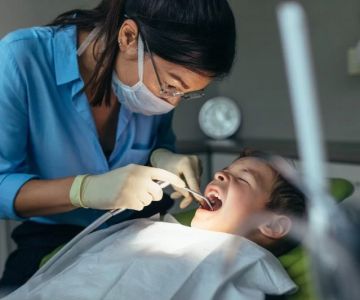 Dentistry for Families: Cost, Procedure, and Recovery Explained
Explore the world of family dentistry, including the costs, procedures, and recovery. Learn how to choose the right family dentist for your needs, and what to expect from family dental care.
Categories
Popular Dental Clinics
 Dr. Jack B. Share, DDS5.0 (3 review)
 Isom Endodontics- Dr. Terry Isom4.0 (322 review)
 TwinCare Dental3.0 (94 review)
 Concierge Dentistry - Jay S. Grossman, DDS. Brentwood Dental Practice4.0 (344 review)
 Apple Tree Dental Mounds View4.0 (611 review)
 Kellyn Hodges Orthodontics4.0 (301 review)
 Top Dental Blog Posts
San Dimas, CA Emergency Dentist - familydentistryonline.netElmira NY Emergency Dentist - Immediate Dental Care Available 24/7Herbal Remedies for Gum Health: A Comprehensive GuideAffordable Denture Implants and Repair Las Vegas, NVDracut, MA Emergency Dentist - familydentistryonline.netWhat is an Occlusion Problem? Defining Normal vs. Abnormal Occlusion
Most Searched Dental Clinics
compton and broomhead reviewsdove dental associatesdee for dentist charlestonaesthetica contemporary dentistrypearl pediatric dentistjones family dentistry iowa citydr. nassar dentistdentists of savagedayspring pediatric dentistry st charles ilsky dental winnetkazidel dental groupanzilotti family dentistrykool kidz dentist & orthodonticssouth bay modern dentistrydental care new london ctchelian orthodonticsdentist parkland wadental implants suffolk county nydr naifehokamoto dentistry pasadena
Hot Blog Topics
 The Importance of Oral Health Education During Pregnancy for a Healthy Pregnancy
 Best Tips for Brushing Your Teeth Properly for Healthy Gums: Essential Techniques for Oral Health
 Why Skipping Dental Checkups Can Lead to Bigger Oral Health Problems
 Advantages of Porcelain Dental Restorations
 How Can Diabetes Cause Tooth and Gum Problems? Preventing and Managing Oral Health Issues
 Healthy Habits for Promoting Good Oral Health and Hygiene: Tips for a Healthy Smile