
Understanding BiPAP Therapy: Benefits, Real-World Examples, and Key Insights
- What Is BiPAP Therapy?
- BiPAP Therapy Benefits
- Real-World Examples of BiPAP Therapy
- How BiPAP Enhances Sleep Apnea Treatment
- Exploring BiPAP Options
1. What Is BiPAP Therapy?
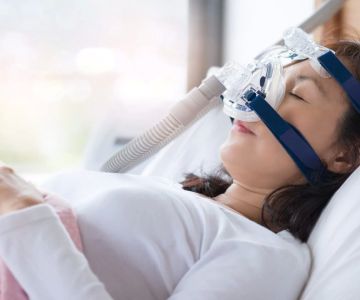
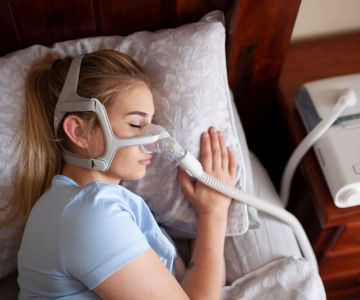
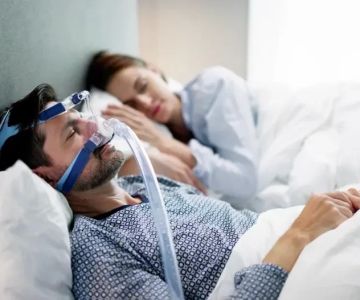
BiPAP therapy, which stands for Bilevel Positive Airway Pressure, is a method used predominantly to treat sleep apnea and various respiratory disorders. Unlike CPAP, which delivers a steady stream of air pressure, BiPAP provides two levels of pressure—higher when you inhale, and lower when you exhale—making it more comfortable for many patients.
1.1. BiPAP Therapy Benefits
The benefits of BiPAP therapy are numerous. Firstly, it offers improved comfort for patients who find it challenging to adapt to the constant pressure of CPAP machines. This therapy also enhances oxygenation, reduces the work of breathing, and aids in better management of chronic conditions like COPD and sleep apnea, improving overall sleep quality.
2. Real-World Examples of BiPAP Therapy
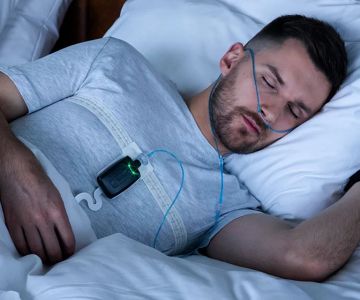
Consider Tom, a 56-year-old man with severe sleep apnea. With CPAP, Tom experienced discomfort and couldn't sleep well. Switching to BiPAP therapy not only improved Tom's sleep but also had a positive impact on his daytime alertness and overall quality of life. Such stories are not unique, as many patients report similar improvements with BiPAP machines.
2.1. How BiPAP Enhances Sleep Apnea Treatment
For individuals with complex sleep apnea, BiPAP therapy can significantly enhance treatment efficacy. The dual pressure settings enable more natural breathing overnight, thus preventing interruptions and promoting deeper, more restorative sleep phases. Patients also report fewer disturbances during the night compared to other treatments.
3. Exploring BiPAP Options
For those interested in BiPAP therapy, exploring the right equipment is crucial. Brands offer a range of products designed to meet diverse needs, from portable models for frequent travelers to advanced units with integrated humidifiers and smart features. For further insights and product recommendations, visit Dentistry Toothtruth.
In conclusion, BiPAP therapy offers a viable and often superior alternative for many struggling with sleep disorders. To explore the latest in BiPAP technology and make informed decisions about your health, click here to discover cutting-edge solutions tailored to your needs.
 Greencastle Dental4.0 (653 review)
 Doc Bresler's Cavity Busters4.0 (363 review)
 Rick Lacuesta, DDS2.0 (4 review)
 Saddle Brook Family Dentistry5.0 (105 review)
 Kiddsmiles Pediatric Dentistry - White Plains4.0 (236 review)
 Matt D. Johnson, DDS INC5.0 (104 review)
 The Importance of Oral Health Education During Pregnancy for a Healthy Pregnancy
 Best Tips for Brushing Your Teeth Properly for Healthy Gums: Essential Techniques for Oral Health
 Why Skipping Dental Checkups Can Lead to Bigger Oral Health Problems
 Advantages of Porcelain Dental Restorations
 How Can Diabetes Cause Tooth and Gum Problems? Preventing and Managing Oral Health Issues
 Healthy Habits for Promoting Good Oral Health and Hygiene: Tips for a Healthy Smile