
Best Tips for Oral Hygiene Every American Should Follow
1. Understanding Why Oral Hygiene Matters
Health Beyond Your Smile
Many people think of oral hygiene as simply keeping teeth clean, but it goes far beyond that. Proper oral care impacts your overall health, from reducing the risk of gum disease to preventing heart complications linked to poor dental health. In the U.S., where access to a wide range of dental care options is available, knowing the right steps to maintain your mouth’s health can save thousands in dental costs and prevent long-term issues.
Real-Life Example: The Missed Checkup
One patient at Family Dentistry Online shared how skipping routine cleanings for two years resulted in expensive gum surgery later on. This real-world example reminds us that prevention is far less costly than treatment.
2. Daily Brushing Techniques That Actually Work
Choosing the Right Toothbrush and Toothpaste
Soft-bristled brushes are gentler on gums while still removing plaque effectively. Electric toothbrushes can help achieve a more thorough clean, especially for those with limited mobility. Fluoride toothpaste strengthens enamel and helps prevent cavities, making it an essential part of your daily routine.
Mastering the Two-Minute Rule
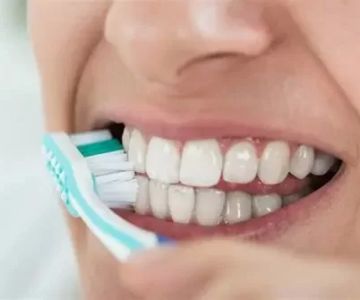
Brushing for two minutes twice a day is the golden standard recommended by dental professionals. Start at the gumline, use gentle circular motions, and cover all surfaces—including the backs of your teeth and your tongue.
3. Flossing and Interdental Cleaning
Why Flossing Is Non-Negotiable
Flossing removes plaque and food particles between teeth where a brush can’t reach. Skipping this step can lead to cavities in those hard-to-clean areas and even gum infections. Water flossers are a good alternative for people with braces or sensitive gums.
How to Floss Without Hurting Your Gums
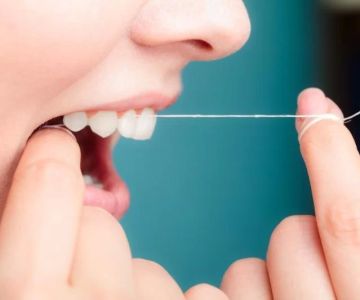
Use an 18-inch piece of floss, wrap it around your fingers, and slide it gently between teeth. Curve it into a “C” shape to clean along the gumline without snapping the floss down, which can damage delicate gum tissue.
4. Nutrition’s Role in Oral Health
Foods That Support a Healthy Mouth
Leafy greens, dairy products, and nuts provide essential nutrients like calcium and phosphorus, which strengthen teeth. Crunchy fruits and vegetables, such as apples and carrots, naturally help clean tooth surfaces while stimulating saliva production.
Limiting Sugary and Acidic Foods
Frequent sugar intake fuels the bacteria that cause cavities, while acidic drinks like soda can erode enamel. If you indulge, rinse your mouth with water afterward and avoid brushing immediately, as enamel may be temporarily softened.
5. Professional Care and Early Intervention
The Importance of Regular Dental Visits
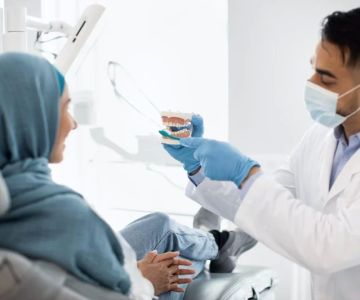
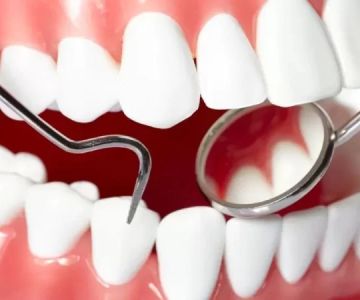
Visiting your dentist twice a year for cleanings and exams can catch issues before they become serious. Early detection of cavities, gum disease, or even oral cancer can make treatment simpler and more effective.
Personalized Care for Different Needs
Children, seniors, and people with chronic conditions often require different oral care approaches. For example, seniors may need to address dry mouth caused by medications, while kids benefit from sealants to protect against cavities.
6. Lifestyle Habits That Influence Oral Health
Smoking and Oral Health Risks
Smoking stains teeth, reduces your ability to taste, and dramatically increases the risk of gum disease and oral cancer. Quitting smoking can significantly improve both oral and overall health.
Stress and Teeth Grinding
Many people grind their teeth without realizing it, especially during stressful periods. This can lead to enamel wear, headaches, and jaw pain. Using a night guard and managing stress can help prevent further damage.
7. Making Oral Care a Family Routine
Involving Kids Early
Children who learn good oral care habits early are more likely to carry them into adulthood. Turn brushing into a fun activity by using timers, songs, or colorful toothbrushes.
Community and Support
Sharing oral hygiene tips within your community can help spread awareness. Whether through school programs or neighborhood events, these initiatives help reduce preventable dental problems.


 A Farhadian Dental Group, Inc.4.0 (17 review)
 Celebrate Dental & Braces5.0 (229 review)
 SouthWest Dental Center4.0 (7 review)
 Dental365 - Bethpage4.0 (456 review)
 Open Door Family Medical Center- Sleepy Hollow4.0 (215 review)
 Brar Dentistry4.0 (381 review)
 The Importance of Oral Health Education During Pregnancy for a Healthy Pregnancy
 Best Tips for Brushing Your Teeth Properly for Healthy Gums: Essential Techniques for Oral Health
 Why Skipping Dental Checkups Can Lead to Bigger Oral Health Problems
 Advantages of Porcelain Dental Restorations
 How Can Diabetes Cause Tooth and Gum Problems? Preventing and Managing Oral Health Issues
 Healthy Habits for Promoting Good Oral Health and Hygiene: Tips for a Healthy Smile