
Best Oral Care Practices for Adults: Essential Tips for Healthy Teeth and Gums
- Why Oral Care is Important for Adults
- Key Oral Care Practices for Adults
- Common Mistakes to Avoid in Oral Care
- Recommended Dental Products for Adults
- Maintaining a Healthy Dental Routine
Why Oral Care is Important for Adults
As an adult, maintaining proper oral care is essential for your overall health. Good oral hygiene helps to prevent common dental problems such as cavities, gum disease, and bad breath. More importantly, taking care of your teeth and gums can contribute to your overall well-being, as poor oral health has been linked to conditions like heart disease, diabetes, and even dementia.
By establishing a solid oral care routine, you not only protect your smile but also avoid costly dental treatments later in life. Whether you're in your twenties or your fifties, it's never too late to start focusing on improving your oral health.
Key Oral Care Practices for Adults
Adopting the right oral care habits can make a significant difference in your dental health. Here are the best practices for adults to keep their teeth and gums in top condition:
- Brushing Twice a Day: Brushing your teeth at least twice a day—once in the morning and once before bed—is the foundation of any good oral care routine. Use fluoride toothpaste and a soft-bristled toothbrush. Brush for at least two minutes to ensure all surfaces of your teeth are cleaned.
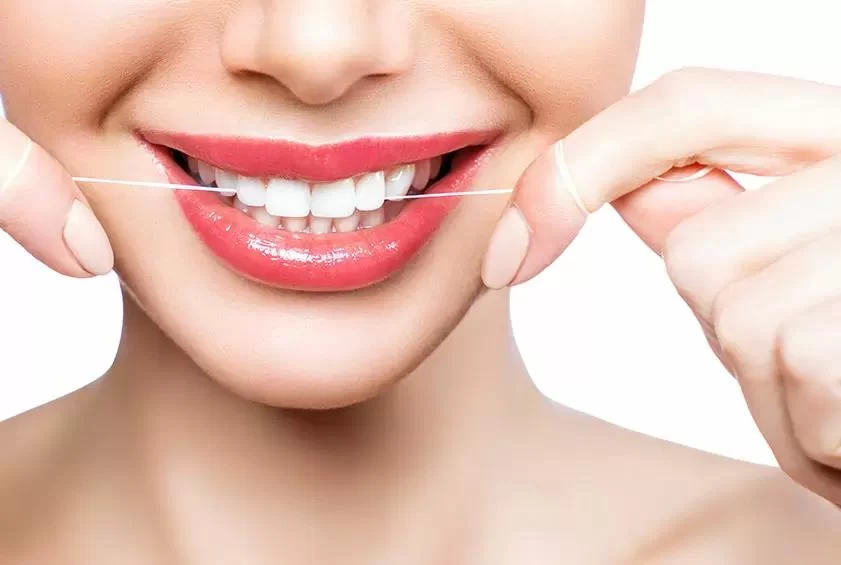
- Flossing Daily: Flossing helps to remove food particles and plaque from between your teeth that your toothbrush can't reach. It’s important to floss once a day to prevent gum disease and cavities from developing between your teeth.
- Rinsing with Mouthwash: An antimicrobial mouthwash can help reduce bacteria in your mouth and freshen your breath. It’s a good addition to your routine, especially if you’re prone to gum disease or bad breath.
- Regular Dental Checkups: Visit your dentist for regular checkups and cleanings at least twice a year. Even if you practice good oral hygiene, professional cleanings can remove tartar build-up and catch potential problems early.
Common Mistakes to Avoid in Oral Care
While you may think you're doing everything right when it comes to oral care, many adults make common mistakes that can undermine their efforts. Avoid these common pitfalls to maintain optimal oral health:
- Brushing Too Hard: Brushing too aggressively can damage your gums and enamel. Use a gentle circular motion when brushing, and choose a toothbrush with soft bristles.
- Skipping Flossing: Many adults neglect to floss or skip it altogether. Flossing is essential for cleaning areas between your teeth where food and plaque accumulate.
- Using the Wrong Dental Products: Not all toothpaste or mouthwash is created equal. Be sure to choose products that are suitable for your specific needs, such as fluoride toothpaste for cavity prevention or mouthwash that targets gum disease.
- Neglecting Dry Mouth: Dry mouth can contribute to tooth decay and bad breath. Drink plenty of water throughout the day and consider using a saliva-stimulating mouthwash if needed.
Avoiding these mistakes can help you maintain strong, healthy teeth for years to come.
Recommended Dental Products for Adults
Choosing the right dental products can make a significant impact on your oral health. Here are some of the best products to include in your daily routine:
- Toothpaste with Fluoride: Fluoride toothpaste is crucial for strengthening tooth enamel and preventing cavities. Look for a toothpaste that suits your needs—whether it's for sensitive teeth, whitening, or cavity prevention.
- Electric Toothbrush: An electric toothbrush is a great choice for those looking to improve their brushing technique. Studies show that electric toothbrushes can remove more plaque and reduce the risk of gum disease compared to manual brushing.
- Water Flosser: If traditional flossing is challenging, a water flosser can help clean between your teeth and along your gumline using a stream of pulsating water. It’s an effective and gentle alternative to string floss.
- Alcohol-Free Mouthwash: If you're prone to dry mouth or gum irritation, consider using an alcohol-free mouthwash. This can help maintain oral hygiene without causing discomfort.
Using these high-quality dental products can enhance your oral hygiene routine and help ensure your teeth and gums stay healthy.
Maintaining a Healthy Dental Routine
Consistency is key when it comes to oral care. Establish a routine that works for you and stick to it. Here are some tips for maintaining a healthy dental routine:
- Set a Daily Schedule: Brush and floss at the same time each day to build consistency into your routine. This helps ensure you’re maintaining your oral hygiene habits.
- Monitor Your Diet: Limit sugary foods and drinks, as they contribute to plaque buildup and cavities. Eating a balanced diet with plenty of fruits, vegetables, and water can support good oral health.
- Be Proactive with Dental Visits: Don’t wait for problems to arise. Regular visits to the dentist help ensure your teeth and gums are in good condition, and issues can be addressed before they become more serious.
By staying on top of your oral hygiene routine and making small adjustments to your habits, you can keep your teeth and gums healthy for life.
If you want to explore the best dental products or need professional advice on maintaining your oral health, visit Dentistry Toothtruth for expert recommendations and more information on improving your oral care routine.






 Katherine Hall DDS4.0 (432 review)
 Sydney K. Waterman, DDS0.0 (0 review)
 Dr. David R. Resch DDS0.0 (0 review)
 Steven J. Moravec, DDS, MS4.0 (189 review)
 Dr. Peter Murchie5.0 (1 review)
 Amazing Family Dental5.0 (304 review)
 The Importance of Oral Health Education During Pregnancy for a Healthy Pregnancy
 Best Tips for Brushing Your Teeth Properly for Healthy Gums: Essential Techniques for Oral Health
 Why Skipping Dental Checkups Can Lead to Bigger Oral Health Problems
 Advantages of Porcelain Dental Restorations
 How Can Diabetes Cause Tooth and Gum Problems? Preventing and Managing Oral Health Issues
 Healthy Habits for Promoting Good Oral Health and Hygiene: Tips for a Healthy Smile