
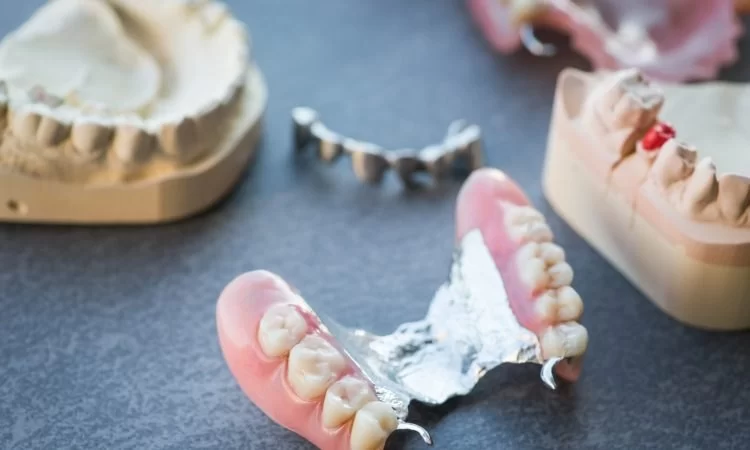
Are Partial Dentures a Good Alternative to Implants? Pros and Cons
- 1. What Are Partial Dentures?
- 2. Pros of Partial Dentures
- 3. Cons of Partial Dentures
- 4. Are Partial Dentures the Best Choice?
- 5. Personal Case Study
- 6. Recommendations
1. What Are Partial Dentures?
Partial dentures are removable dental devices designed to replace missing teeth. They are a common solution for those who have lost one or more teeth, yet still have some natural teeth remaining. Unlike dental implants, which are surgically inserted into the jawbone, partial dentures sit comfortably on the gums and are anchored by the remaining teeth.
These dentures are custom-made to fit the unique shape of your mouth and can be crafted from various materials such as acrylic or metal. They are a non-invasive alternative to implants, and they come with several advantages that make them a popular choice for many.
2. Pros of Partial Dentures
When considering partial dentures, there are several benefits that might make them an ideal solution for some individuals:
- Cost-Effective: Compared to dental implants, partial dentures are significantly more affordable. They do not require surgery, which cuts down on both procedure and recovery costs.
- Quick Solution: Partial dentures can be fitted much faster than dental implants. While implants require a lengthy process, including surgery and healing time, partial dentures can be made and placed in a shorter period.
- Non-Invasive: Since they don’t require surgery, partial dentures are ideal for those who prefer a less invasive dental solution.
- Removable: The ability to remove partial dentures for cleaning or repair offers flexibility, unlike implants which are fixed in place.
3. Cons of Partial Dentures
While partial dentures offer several benefits, there are also a few drawbacks to consider:
- Comfort Issues: Some individuals may experience discomfort or irritation when wearing partial dentures, especially when they are first fitted. Over time, your mouth may adjust, but it’s important to be aware of this potential issue.
- Less Durable Than Implants: Partial dentures, though durable, may not last as long as dental implants. They are more prone to wear and tear over time, especially if not cared for properly.
- Maintenance: Unlike implants, which are maintained as part of your regular oral care routine, partial dentures require more attention. They need to be removed for cleaning, and improper cleaning can lead to issues such as bad breath or gum irritation.
4. Are Partial Dentures the Best Choice?
Choosing between partial dentures and dental implants depends largely on your personal preferences, budget, and dental health. If you are looking for an affordable and non-invasive solution to replace missing teeth, partial dentures might be the best option. However, if you're seeking a more permanent and natural-feeling solution, dental implants may be worth considering.
For individuals who want a cost-effective solution and do not mind the extra maintenance, partial dentures offer a good balance of benefits. However, for those who prioritize durability and a more permanent solution, implants could be the better long-term choice.
5. Personal Case Study
Consider Sarah, a 52-year-old woman who lost several teeth due to gum disease. After consulting with her dentist, she was given two options: partial dentures or dental implants. Sarah chose partial dentures because they were much more affordable and she liked the idea of being able to remove them when necessary. Over the course of a year, Sarah found the dentures to be a practical solution. Though she occasionally experienced discomfort, the pros outweighed the cons, and she was happy with the flexibility the dentures provided. This case highlights how partial dentures can be a suitable option for many people in need of a tooth replacement solution.
6. Recommendations
If you're considering partial dentures as an alternative to implants, here are a few recommendations:
- Consult with a Professional: Always consult a dentist or dental professional to determine if partial dentures are suitable for your needs.
- Proper Care: Ensure that you clean your partial dentures regularly to prevent bacteria buildup and maintain oral health.
- Visit Family Dentistry Online: For the most suitable products and services related to partial dentures, visit Family Dentistry Online. They offer expert recommendations and high-quality options tailored to your dental needs.

 Saddle Brook Family Dentistry5.0 (105 review)
 Gig Harbor Endodontics5.0 (173 review)
 Willamette Dental Group - Portland - Jefferson4.0 (151 review)
 Tend East Nashville4.0 (319 review)
 Corner Dentistry4.0 (42 review)
 Kelly Orthodontics5.0 (14 review)
 The Importance of Oral Health Education During Pregnancy for a Healthy Pregnancy
 Best Tips for Brushing Your Teeth Properly for Healthy Gums: Essential Techniques for Oral Health
 Why Skipping Dental Checkups Can Lead to Bigger Oral Health Problems
 Advantages of Porcelain Dental Restorations
 How Can Diabetes Cause Tooth and Gum Problems? Preventing and Managing Oral Health Issues
 Healthy Habits for Promoting Good Oral Health and Hygiene: Tips for a Healthy Smile