1. Why Affordable Dental Care Is Important for Seniors
Dental care is crucial for everyone, but it becomes even more important for seniors. As people age, they often face a variety of oral health issues, including gum disease, tooth decay, and tooth loss. These problems can affect not only their appearance but also their ability to eat and speak comfortably. Unfortunately, many seniors face financial barriers to obtaining proper dental care, which can exacerbate existing dental issues.In San Francisco, like in many other parts of the country, healthcare costs, including dental care, can be prohibitive for seniors on fixed incomes or limited resources. Accessing affordable dental care is essential for maintaining good health and quality of life. Fortunately, there are several options available to help seniors receive the care they need without breaking the bank.
2. Challenges Seniors Face in Accessing Dental Care
Seniors face unique challenges when it comes to dental care. Some of the most common challenges include:Fixed or Limited Income: Many seniors live on a fixed income, which makes it difficult for them to afford dental insurance or out-of-pocket dental costs. Even with insurance, some dental procedures, such as dentures, crowns, or implants, may not be fully covered.Lack of Dental Insurance: While Medicare covers general health care, it does not cover most dental services, leaving many seniors without the financial means to address dental problems.Health Complications: Seniors may have other health issues such as diabetes, heart disease, or arthritis, which can complicate dental care. Certain medications can also contribute to oral health problems, like dry mouth, making it harder for seniors to maintain oral hygiene.Difficulty Accessing Care: Mobility issues or a lack of transportation can make it difficult for seniors to visit a dentist regularly. Additionally, not all dental offices are equipped to accommodate seniors with special needs.These challenges often prevent seniors from seeking dental treatment, leading to further complications and a lower quality of life.
3. Affordable Dental Care Options in San Francisco
Fortunately, there are several affordable dental care options for seniors in San Francisco. These options include:Dental Schools: Dental schools often offer reduced-cost dental care provided by dental students under the supervision of licensed instructors. San Francisco has several dental schools, such as the University of California, San Francisco (UCSF) School of Dentistry, that provide high-quality care at a fraction of the cost.Community Health Clinics: Many community health centers in San Francisco offer affordable dental care for seniors, including preventive care, cleanings, and basic treatments. These clinics often have sliding fee scales based on income, making dental care more accessible for those with limited resources.Dental Discount Plans: Some dental practices in San Francisco offer discount plans for seniors. These plans allow patients to pay a monthly or annual fee in exchange for reduced rates on dental services. Discount plans are not insurance, but they can significantly reduce the cost of dental care for seniors who need frequent treatments.Medicaid and Medi-Cal: Medi-Cal is California’s Medicaid program, which provides dental coverage for low-income individuals, including seniors. Medi-Cal covers many dental services, including exams, cleanings, fillings, and extractions. Eligibility is based on income, and seniors must apply to determine if they qualify for coverage.Senior Dental Clinics: Some organizations and dental practices specialize in providing care to senior citizens. These clinics offer reduced rates for seniors, as well as specialized services for age-related dental issues.
4. How to Qualify for Discounted Dental Care
To access discounted or low-cost dental care, seniors must meet certain eligibility requirements. Here are some tips for qualifying for affordable dental care:Check Eligibility for Medi-Cal: Seniors who are eligible for Medi-Cal can receive free or low-cost dental care through the state’s Medicaid program. To qualify, seniors must meet income and other eligibility requirements. It’s important to apply through the county’s health department to determine eligibility.Look for Income-Based Programs: Many community health clinics and dental schools offer sliding fee scales based on income. To qualify for these programs, seniors typically need to provide proof of income, such as tax returns or social security statements.Research Dental Discount Plans: Some dental offices in San Francisco offer discount plans for seniors, which can reduce out-of-pocket expenses. These plans often have membership fees, so it’s important to research which plans offer the best benefits for your needs.Contact Local Senior Centers: Senior centers and organizations in San Francisco often have information on affordable dental care options available to seniors. They may also help connect seniors with financial assistance programs or dental discount plans.
5. Real-Life Stories of Cold Sore Prevention and Treatment
Many seniors in San Francisco have found success in accessing affordable dental care through these various options. For example, Maria, a 70-year-old woman living on a fixed income, struggled to afford dental care after her teeth began to show signs of decay. She reached out to UCSF’s dental school, where she was able to receive necessary treatment at a fraction of the cost. Maria’s experience was life-changing, as she was able to restore her smile and regain her confidence.Similarly, John, a 65-year-old retiree, used Medi-Cal to cover the cost of his dental cleanings and extractions. After learning about his eligibility, he found that he could access the dental care he needed without worrying about high costs. John now maintains his oral health regularly and has significantly improved his overall well-being.These stories show that affordable dental care is accessible to seniors in San Francisco, especially when they take advantage of community resources and government programs.
Learn the best tips for managing your oral health as a diabetic patient. Discover effective strategies to prevent gum disease and tooth decay, ensuring a healthy smile.
Learn how to identify and manage tooth sensitivity in children. Discover causes, symptoms, and treatment options to help alleviate discomfort and promote better oral health.
Learn everything families should know about sleep apnea for first-time patients, including symptoms, treatment options, and success stories. Understand how to manage the condition and support your loved one in their sleep apnea journey.
Learn the differences between at-home and professional dental treatments. Find out when to choose at-home care and when professional treatment is needed for your oral health.
"Explore the latest advances in tooth pain relief, from cutting-edge technologies like laser dentistry to effective home remedies. Learn how to manage and treat tooth pain with expert-backed solutions."
Learn what to expect before and after health screening procedures in the United States. Explore the screening process, patient expectations, and tips for a smooth experience. Understanding Screening in the United States Pre-Screening: What to Expect The Screening Process: What Happens Post-Screening: What Happens NextUnderstanding Screening in the United StatesHealth screenings are an essential part of preventive healthcare in the United States. These procedures allow healthcare providers to detect potential health issues early, often before symptoms appear. Screening can help with the early identification of diseases such as cancer, diabetes, heart disease, and more. Regular screenings can improve the chances of successful treatment and help patients maintain a healthy lifestyle.In the U.S., different types of screenings are recommended based on age, sex, and health history. For example, adults might undergo blood pressure checks, cholesterol tests, mammograms, colonoscopies, or even genetic screenings depending on their risk factors. Understanding what to expect before, during, and after screening can help patients feel more comfortable and informed throughout the process.Pre-Screening: What to ExpectBefore undergoing any screening, patients typically receive instructions regarding preparation. These instructions may vary depending on the type of screening but generally involve fasting, avoiding certain medications, or wearing specific clothing. It’s crucial to follow these guidelines to ensure accurate results and avoid any delays or complications.For example, if you are scheduled for a blood test, you may be asked to fast for 12 hours beforehand. For imaging screenings like a mammogram or CT scan, you may need to avoid using lotions or powders on the area being scanned. Being prepared ahead of time can make the screening process smoother and help ensure that the results are as accurate as possible.It’s also important to bring any relevant medical records or a list of medications you’re currently taking. This information can provide valuable context for the healthcare provider conducting the screening.The Screening Process: What HappensOnce you arrive at the healthcare facility for your screening, the process typically begins with a check-in and confirmation of your medical history and any necessary paperwork. Depending on the type of screening, the procedure itself can take anywhere from a few minutes to an hour.For example, during a mammogram, you’ll be asked to stand in front of a machine that will take X-ray images of your breasts. During a colonoscopy, a thin tube with a camera will be inserted into your colon to look for abnormalities. Though some screenings may involve minimal discomfort, most are quick and straightforward. Healthcare providers strive to make the process as comfortable as possible.During this phase, you may be asked to stay still or hold your breath while the screening is conducted. Some procedures, like blood tests, might require only a quick sample from your arm. The duration of your stay largely depends on the complexity of the procedure.Post-Screening: What Happens NextAfter your screening, you may be asked to wait for results or return for follow-up appointments, depending on the procedure. In many cases, you’ll receive your results in a few days to a week. If the results are normal, you may not need to take any further action and can continue with your routine healthcare regimen. However, if the screening identifies potential health issues, further diagnostic tests or treatments may be recommended.For example, if a mammogram detects an abnormality, additional imaging or a biopsy may be necessary. If a colonoscopy finds polyps, they may be removed and analyzed. Your doctor will explain the results to you in detail and guide you through the next steps, ensuring that you have the information you need to make informed decisions about your health.It’s important to remember that not all screenings result in a diagnosis. Sometimes, follow-up tests are just precautionary measures to rule out potential issues. Regardless of the outcome, screenings play a critical role in maintaining your overall health and well-being.If you’re due for a screening or want to learn more about the different types of health screenings available in the United States, visit Family Dentistry Online for expert advice and assistance with your healthcare needs.







 Dr. Jeffrey C. Liu and Dr. Shaun Dadjoo - Porter Ranch Orthodontists5.0 (57 review)
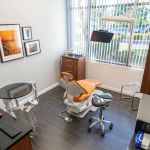 Facer Hales Parker Dentistry4.0 (601 review)
 South Mississippi Smiles - Gulfport4.0 (454 review)
 Poplar Crossing Dental- Hoffman Estates Dentist4.0 (7 review)
 Springfield Dentures and Implants4.0 (69 review)
 Kangaroo Smiles Pediatric Dentistry and Orthodontics4.0 (1308 review)
 The Importance of Oral Health Education During Pregnancy for a Healthy Pregnancy
 Best Tips for Brushing Your Teeth Properly for Healthy Gums: Essential Techniques for Oral Health
 Why Skipping Dental Checkups Can Lead to Bigger Oral Health Problems
 Advantages of Porcelain Dental Restorations
 How Can Diabetes Cause Tooth and Gum Problems? Preventing and Managing Oral Health Issues
 Healthy Habits for Promoting Good Oral Health and Hygiene: Tips for a Healthy Smile