
Advances in Tooth Restoration Medical Technology
Restorative dentistry has undergone significant transformations in recent years, driven by advances in technology and materials. For many in the United States, tooth restoration is an essential aspect of oral healthcare, addressing damage from decay, injury, or wear. With Dentistry Toothtruth, patients can explore cutting-edge solutions that not only improve functionality but also enhance aesthetics. This article delves into the latest trends and innovations in tooth restoration, offering a comprehensive look at how these advances are making dentistry more effective than ever.
Innovative Materials in Tooth Restoration
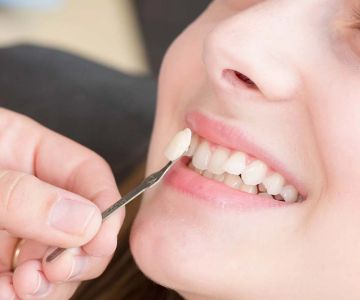
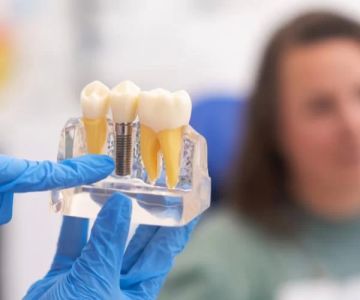
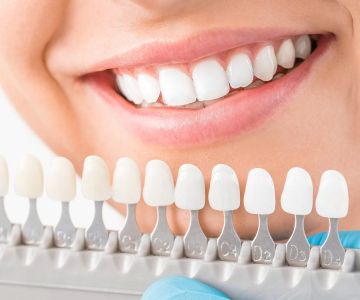
The evolution of restorative materials has been a game-changer in dental technology. Modern materials such as composite resins, zirconia, and dental porcelains have significantly improved the durability and appearance of restorations. Composite resins, for instance, are highly favored for their aesthetic appeal and versatility. They can be precisely matched to the natural tooth color, allowing for seamless repairs that are difficult to detect. Similarly, zirconia and porcelain offer superior strength and are commonly used in creating crowns and bridges that mimic the look and feel of natural teeth. According to recent studies, these advanced materials have increased the longevity of dental restorations by up to 50%.
3D Printing and Digital Dentistry
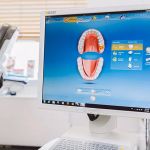
3D printing technology has revolutionized many fields, including dentistry. It offers high precision in creating dental restorations, which enhances both fit and function. With the aid of CAD/CAM systems, dentists can design and fabricate restorations such as crowns, inlays, and aligners within a matter of hours, right within their practice. This technology not only saves time but also significantly reduces the margin for error, ensuring a perfect fit every time. Patients at Dentistry Toothtruth benefit from reduced chair time and fewer follow-up appointments, making dental visits more convenient and efficient.
Laser Technology in Dentistry
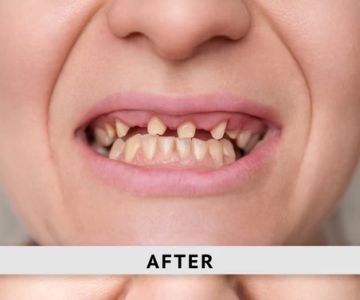
Lasers have been a groundbreaking addition to dental procedures, offering more precise and less invasive options for tooth restoration. Laser technology enhances the removal of decayed tissue and preparation of the tooth for fillings, minimizing damage to healthy tissue. This technology is particularly beneficial in pediatric dentistry, as it often eliminates the need for drills and anesthesia, reducing anxiety and discomfort in young patients. Furthermore, laser-treated areas heal faster and are less likely to become infected, improving overall treatment outcomes.
Regenerative Dentistry and Biomimetic Approaches
Regenerative dentistry focuses on the natural healing processes of the body, emphasizing techniques that stimulate the body to repair and regenerate damaged tissue. The use of biomimetics, which involves creating restorations that mimic natural tooth structures, is at the forefront of this advancement. Techniques such as bioactive materials and guided tissue regeneration are being explored to provide more sustainable and natural results. By promoting the regeneration of dental tissues, these methods not only restore function but also prolong the life of the natural tooth structure.
Augmented Reality and Virtual Reality in Dentistry
Augmented reality (AR) and virtual reality (VR) are being increasingly implemented in dental education and surgical planning. These technologies provide invaluable tools for visualizing complex procedures and aiding in the creation of precise treatment plans. Dentists can now simulate procedures and predict outcomes with greater accuracy, enhancing the overall quality of care provided. Furthermore, patients can benefit from immersive educational experiences that help them understand their treatment options better, leading to informed decision-making.
The Future of Tooth Restoration: Integrating AI
Artificial intelligence (AI) is steadily integrating into the realm of dentistry, offering promising advancements for tooth restoration. AI platforms can analyze patient data more accurately and propose individualized treatment plans, improving the predictability and success rates of restorative procedures. Furthermore, AI-driven diagnostic tools can rapidly identify dental issues, allowing for earlier intervention and treatment. The continued development of AI in dentistry holds the potential to transform not only the accuracy of diagnoses but also the speed and efficiency of care.
In conclusion, the advances in tooth restoration medical technology are revolutionizing the field of restorative dentistry. From innovative materials and digital impressions to laser technology and AI, these developments are enhancing both the patient experience and the durability of dental restorations. At Dentistry Toothtruth, we are committed to leveraging these cutting-edge technologies to provide top-notch dental care. Patients are encouraged to consult with their dental professionals about the latest restorative options available to them and take advantage of the improved outcomes these technologies offer.

 Thomas Pham Dentistry4.0 (26 review)
 Henry J. Austin Health Center at Ewing Street3.0 (33 review)
 iDental3.0 (3 review)
 Access Dental, Dentures & Implants4.0 (426 review)
 Dental Crown in an Hour: Naples4.0 (121 review)
 Engel Neil R DDS5.0 (7 review)
 The Importance of Oral Health Education During Pregnancy for a Healthy Pregnancy
 Best Tips for Brushing Your Teeth Properly for Healthy Gums: Essential Techniques for Oral Health
 Why Skipping Dental Checkups Can Lead to Bigger Oral Health Problems
 Advantages of Porcelain Dental Restorations
 How Can Diabetes Cause Tooth and Gum Problems? Preventing and Managing Oral Health Issues
 Healthy Habits for Promoting Good Oral Health and Hygiene: Tips for a Healthy Smile