
Should I Get My Wisdom Teeth Removed if They’re Not Causing Problems?
- Understanding Wisdom Teeth and Their Role
- Common Wisdom Teeth Issues
- Should You Remove Your Wisdom Teeth?
- Risks of Leaving Wisdom Teeth Intact
- Benefits of Wisdom Teeth Removal
- Real-Life Experiences: Wisdom Teeth Removal
- Find Professional Advice for Wisdom Teeth Removal
Understanding Wisdom Teeth and Their Role
Wisdom teeth are the third set of molars located at the back of your mouth. These teeth typically emerge between the ages of 17 and 25. While they once had a vital role in chewing tough, raw foods, modern diets have made them less necessary. As a result, many people have their wisdom teeth removed, especially if they cause problems.
In some cases, wisdom teeth emerge without causing any issues, but for others, they can lead to pain, infection, or misalignment of other teeth. The decision to remove them is often based on factors like the teeth's positioning, size, and potential for future complications.
Common Wisdom Teeth Issues
Even if your wisdom teeth aren’t currently causing pain, there are several common issues they can eventually lead to:
1. Impaction
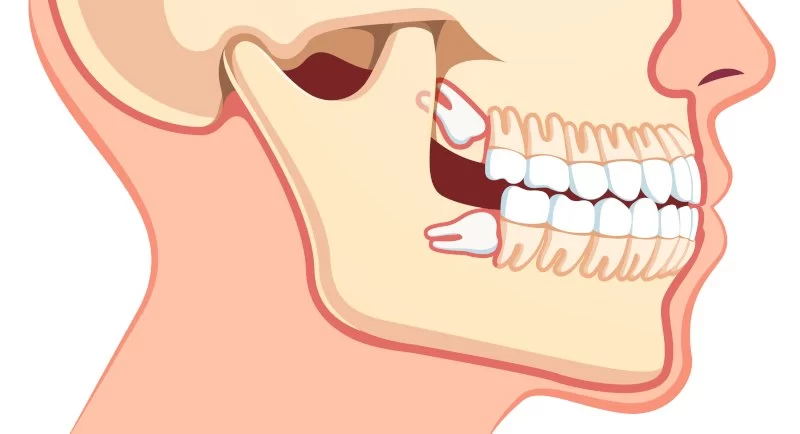
Wisdom teeth may not have enough space to emerge fully or properly. This condition, known as impaction, can cause pain, swelling, and infection. It’s especially common when the teeth are growing at an angle or only partially break through the gums.
2. Infection
Because wisdom teeth are located at the back of the mouth, they are harder to clean properly. This can lead to bacteria buildup, resulting in gum infections or cavities.
3. Misalignment of Other Teeth
If your wisdom teeth grow in at an angle, they can push against neighboring teeth, causing them to shift. This can undo the work of braces and cause dental misalignment.
Should You Remove Your Wisdom Teeth?
The decision to remove your wisdom teeth depends on various factors. If your wisdom teeth are not causing any pain or discomfort, and your dentist sees no signs of future problems, you might decide to leave them in place. However, regular dental check-ups and X-rays are necessary to monitor their growth and positioning over time.
On the other hand, if there are any signs of potential issues such as impaction, crowding, or infection, it’s better to remove them sooner rather than later to avoid more complicated problems in the future.
Your dentist can help you assess whether your wisdom teeth need to be removed based on their position and any potential risks down the road. It’s always best to get professional advice before making a decision.
Risks of Leaving Wisdom Teeth Intact
Even if your wisdom teeth aren't causing problems now, there are several risks to leaving them in place:
1. Future Pain or Infection
Wisdom teeth that appear harmless now can still become infected or cause pain later. As they continue to grow, they might become impacted, which can lead to swelling, difficulty opening your mouth, or gum infections.
2. Potential Damage to Other Teeth
If your wisdom teeth are pushing against other teeth, they can cause misalignment, shifting, or even damage to surrounding teeth. This can require further dental procedures down the road to correct.
3. Cysts or Tumors
In rare cases, impacted wisdom teeth can cause the development of cysts or tumors. These growths can damage the surrounding jawbone and other structures, necessitating more extensive treatments.
Benefits of Wisdom Teeth Removal
If you are considering removing your wisdom teeth, here are some benefits to keep in mind:
1. Prevent Future Problems
Removing your wisdom teeth early—before they cause pain or complications—can prevent future issues like infections, crowding, and jaw damage. This proactive approach can save you time, money, and discomfort in the long run.
2. Easier Recovery
It’s generally easier to recover from wisdom teeth removal when the teeth are fully erupted and before complications arise. Younger patients often heal faster, making early removal a good option.
3. Improved Oral Health
Removing problematic wisdom teeth can help improve your overall oral health. It can prevent infection, reduce the risk of gum disease, and improve the alignment of your other teeth.
Real-Life Experiences: Wisdom Teeth Removal
Consider Emma’s story: she had no issues with her wisdom teeth for years. However, after a routine check-up, her dentist noticed one of the teeth was becoming impacted. Emma decided to have the tooth removed, and while she experienced some soreness after the procedure, the recovery was relatively quick. Now, she’s glad she took action early to avoid future problems.
Similarly, Mark’s wisdom teeth were all growing in at an angle, crowding his other teeth. Despite no current pain, he opted for removal to avoid misalignment and potential infection. A few weeks after surgery, he felt much better and had peace of mind knowing his smile was safe from complications.
Find Professional Advice for Wisdom Teeth Removal
If you’re unsure about whether to remove your wisdom teeth, it’s important to consult with a trusted dental professional. At Dentistry Toothtruth, we provide personalized advice and expert care to help you make the right decision for your oral health. Whether you need a consultation or are ready for the procedure, we’re here to support you every step of the way.






 Sage Dental of Downtown Orlando4.0 (541 review)
 Omega Dental Care4.0 (74 review)
 Kevin B. Sands, DDS5.0 (168 review)
 Kevin Walker DDS and Mae Lee Springer DDS5.0 (125 review)
 Burton J Stein DMD4.0 (16 review)
 Molen Orthodontics4.0 (420 review)
 The Importance of Oral Health Education During Pregnancy for a Healthy Pregnancy
 Best Tips for Brushing Your Teeth Properly for Healthy Gums: Essential Techniques for Oral Health
 Why Skipping Dental Checkups Can Lead to Bigger Oral Health Problems
 Advantages of Porcelain Dental Restorations
 How Can Diabetes Cause Tooth and Gum Problems? Preventing and Managing Oral Health Issues
 Healthy Habits for Promoting Good Oral Health and Hygiene: Tips for a Healthy Smile