
Why You Should Replace Old Fillings: Benefits and Important Reasons
- Understanding Dental Fillings
- Why Old Fillings Need to Be Replaced
- Common Signs You Need a Filling Replacement
- Benefits of Replacing Old Fillings
- Real-Life Example of a Filling Replacement
- Actionable Steps to Replace Your Fillings
1. Understanding Dental Fillings
Dental fillings are used to restore teeth that have been damaged by cavities. These materials fill in the space left by decay, preventing further deterioration and protecting the tooth from further damage. Over time, fillings can wear out, crack, or become loose, making it necessary to replace them to ensure continued dental health. While the lifespan of fillings can vary depending on the material and your oral hygiene, it’s essential to understand when it’s time to replace them to avoid complications.
2. Why Old Fillings Need to Be Replaced
Old dental fillings may not provide the same protection as they did when they were first placed. Several reasons can contribute to the need for replacement:
- Wear and Tear: Over time, fillings can wear down from regular chewing and grinding. This can lead to a loss of seal and protection, allowing bacteria to enter and cause new cavities.
- Cracks or Breakage: Fillings can crack due to pressure from biting or grinding your teeth. A cracked filling may not provide the necessary protection and can lead to further damage to the tooth.
- Decay Around the Filling: If the seal around the filling breaks down, decay can form around the edges. This can lead to the need for further treatment and possibly a more extensive procedure like a root canal.
- Discoloration: Older fillings, particularly silver amalgam fillings, may begin to discolor, affecting the aesthetic appearance of your teeth. If you’re concerned about the look of your smile, replacing old fillings with more aesthetic materials can help improve your smile.
3. Common Signs You Need a Filling Replacement
If you have old fillings, it’s essential to watch for signs that indicate it might be time to replace them. Some of the most common signs include:
- Visible Cracks or Chips: If you notice visible cracks, chips, or fractures in your fillings, it’s a clear sign they need to be replaced to prevent further tooth damage.
- Tooth Sensitivity: Increased sensitivity to hot, cold, or pressure could indicate that your filling is no longer providing the necessary seal, and you may need a replacement.
- Pain or Discomfort: If you experience persistent pain or discomfort in a tooth with a filling, it may be due to the filling failing to properly protect the tooth.
- Filling Discoloration: If your fillings are turning dark or have visible stains, replacing them with a more aesthetic option like composite resin can help improve the appearance of your teeth.
4. Benefits of Replacing Old Fillings
There are several benefits to replacing old fillings, including:
- Improved Oral Health: Replacing old fillings ensures that your teeth are properly protected from further decay or damage, reducing the risk of cavities or more severe dental issues.
- Prevention of Further Damage: A replacement filling can prevent the tooth from breaking or developing more extensive damage, which could require more invasive procedures like a crown or root canal.
- Enhanced Aesthetic Appeal: Modern materials like composite resin fillings can be color-matched to your natural teeth, giving you a more natural and attractive smile.
- Long-Term Savings: By replacing old fillings, you avoid the need for more expensive treatments down the line, as untreated issues can lead to more severe dental problems.
5. Real-Life Example of a Filling Replacement
Consider the case of Mark, a 45-year-old man who had several old silver amalgam fillings. Over time, he noticed his fillings were becoming more noticeable and discolored. Additionally, one of his teeth started becoming sensitive to cold drinks. After visiting his dentist, Mark learned that one of his fillings had cracked, and another was allowing decay to form around it. His dentist recommended replacing the old fillings with durable, natural-looking composite fillings. After the replacement, Mark noticed a significant improvement in both the function and appearance of his teeth, and he no longer had any sensitivity or discomfort.
6. Actionable Steps to Replace Your Fillings
If you think it’s time to replace your old fillings, here’s what you can do:
- Book a Consultation: Schedule an appointment with your dentist to assess the condition of your fillings and determine if replacement is necessary.
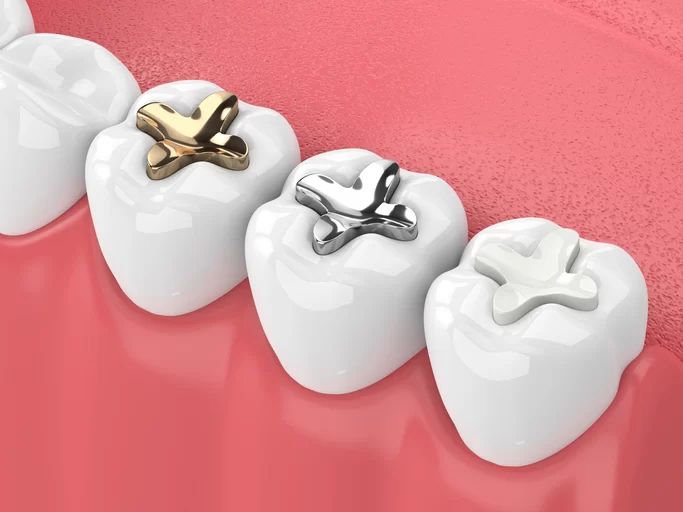
- Choose the Right Material: Discuss with your dentist the best materials for your filling replacement. Composite resin is a popular choice for a more natural appearance, while gold or porcelain may be recommended for added durability.
- Follow Post-Procedure Care: After the replacement, be sure to follow your dentist’s instructions for post-care to ensure the best results and avoid complications.
For more information on replacing old fillings and maintaining excellent oral health, visit Dentistry Toothtruth.






 High Tide Dental- Dr. Lucas Homicz, DDS5.0 (150 review)
 West Covina FAMILY DENTISTRY4.0 (45 review)
 Aurora Dental Care4.0 (153 review)
 Tend East Nashville4.0 (319 review)
 Amerident Dental PC4.0 (169 review)
 Gentle Dental Methuen4.0 (241 review)
 The Importance of Oral Health Education During Pregnancy for a Healthy Pregnancy
 Best Tips for Brushing Your Teeth Properly for Healthy Gums: Essential Techniques for Oral Health
 Why Skipping Dental Checkups Can Lead to Bigger Oral Health Problems
 Advantages of Porcelain Dental Restorations
 How Can Diabetes Cause Tooth and Gum Problems? Preventing and Managing Oral Health Issues
 Healthy Habits for Promoting Good Oral Health and Hygiene: Tips for a Healthy Smile