
Why Should Kids Visit the Dentist Regularly? - Benefits of Regular Dental Check-Ups
Trending Blog Articles
denturefloss for sensitive gumsurgent care in whitehalldentist in rio rancho nmdelaware dental delaware ohemergency dental peoria ildentist dracut mawhitehall urgent care24 hour dental emergency columbus ohioaffordable dentures in las vegasaffordable dentures las vegas nevadaemergency dentist in syracuse new yorkpediatric urgent dental careemergency dentist huntington beach cadentist of san dimasdentist east los angelesaffordable dentures and implants las vegascan sore throat cause dry mouthdentist in dracut madentist in elmira ny
Popular Dental Blog Posts
 Tooth Pain Relief: Latest Advances and Technology Updates You Should Know
"Explore the latest advances in tooth pain relief, from cutting-edge technologies like laser dentistry to effective home remedies. Learn how to manage and treat tooth pain with expert-backed solutions."
 Screening in the United States: Before and After - What to Expect
Learn what to expect before and after health screening procedures in the United States. Explore the screening process, patient expectations, and tips for a smooth experience. Understanding Screening in the United States Pre-Screening: What to Expect The Screening Process: What Happens Post-Screening: What Happens NextUnderstanding Screening in the United StatesHealth screenings are an essential part of preventive healthcare in the United States. These procedures allow healthcare providers to detect potential health issues early, often before symptoms appear. Screening can help with the early identification of diseases such as cancer, diabetes, heart disease, and more. Regular screenings can improve the chances of successful treatment and help patients maintain a healthy lifestyle.In the U.S., different types of screenings are recommended based on age, sex, and health history. For example, adults might undergo blood pressure checks, cholesterol tests, mammograms, colonoscopies, or even genetic screenings depending on their risk factors. Understanding what to expect before, during, and after screening can help patients feel more comfortable and informed throughout the process.Pre-Screening: What to ExpectBefore undergoing any screening, patients typically receive instructions regarding preparation. These instructions may vary depending on the type of screening but generally involve fasting, avoiding certain medications, or wearing specific clothing. It’s crucial to follow these guidelines to ensure accurate results and avoid any delays or complications.For example, if you are scheduled for a blood test, you may be asked to fast for 12 hours beforehand. For imaging screenings like a mammogram or CT scan, you may need to avoid using lotions or powders on the area being scanned. Being prepared ahead of time can make the screening process smoother and help ensure that the results are as accurate as possible.It’s also important to bring any relevant medical records or a list of medications you’re currently taking. This information can provide valuable context for the healthcare provider conducting the screening.The Screening Process: What HappensOnce you arrive at the healthcare facility for your screening, the process typically begins with a check-in and confirmation of your medical history and any necessary paperwork. Depending on the type of screening, the procedure itself can take anywhere from a few minutes to an hour.For example, during a mammogram, you’ll be asked to stand in front of a machine that will take X-ray images of your breasts. During a colonoscopy, a thin tube with a camera will be inserted into your colon to look for abnormalities. Though some screenings may involve minimal discomfort, most are quick and straightforward. Healthcare providers strive to make the process as comfortable as possible.During this phase, you may be asked to stay still or hold your breath while the screening is conducted. Some procedures, like blood tests, might require only a quick sample from your arm. The duration of your stay largely depends on the complexity of the procedure.Post-Screening: What Happens NextAfter your screening, you may be asked to wait for results or return for follow-up appointments, depending on the procedure. In many cases, you’ll receive your results in a few days to a week. If the results are normal, you may not need to take any further action and can continue with your routine healthcare regimen. However, if the screening identifies potential health issues, further diagnostic tests or treatments may be recommended.For example, if a mammogram detects an abnormality, additional imaging or a biopsy may be necessary. If a colonoscopy finds polyps, they may be removed and analyzed. Your doctor will explain the results to you in detail and guide you through the next steps, ensuring that you have the information you need to make informed decisions about your health.It’s important to remember that not all screenings result in a diagnosis. Sometimes, follow-up tests are just precautionary measures to rule out potential issues. Regardless of the outcome, screenings play a critical role in maintaining your overall health and well-being.If you’re due for a screening or want to learn more about the different types of health screenings available in the United States, visit Family Dentistry Online for expert advice and assistance with your healthcare needs.
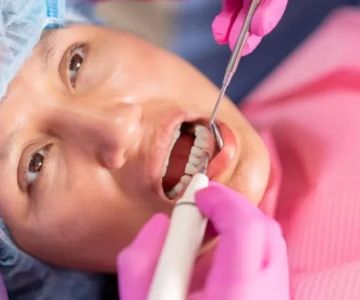 Long-Term Success for Adults: How Gum Disease Improves Your Overall Health
Learn how maintaining gum health can improve your overall health. Discover expert advice on preventing gum disease, treatment options, and real-life recovery stories for long-term success.
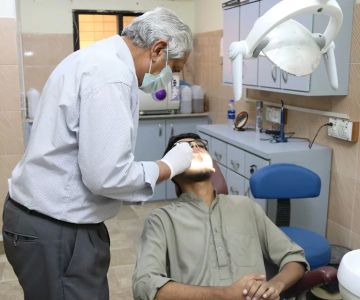 Best Practices for Managing Diabetes and Oral Health: Tips for Long-Term Success
Learn how to manage diabetes and maintain optimal oral health with our tips on brushing, flossing, and regular dental visits. Prevent gum disease and tooth decay with the right practices.
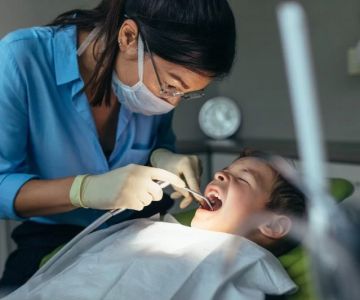 Dentistry for Families: Cost, Procedure, and Recovery Explained
Explore the world of family dentistry, including the costs, procedures, and recovery. Learn how to choose the right family dentist for your needs, and what to expect from family dental care.
 Complete Guide: Signs You Should See a Dentist Immediately with Diabetes
Discover the signs that you should see a dentist immediately if you have diabetes. Learn how diabetes affects your oral health and why regular dental visits are crucial. Signs You Should See a Dentist Immediately with Diabetes As someone who has managed my own diabetes for years, I’ve become hyper-aware of the impact it can have on my overall health, including my oral health. If you’re living with diabetes, you’re likely familiar with the importance of maintaining control over your blood sugar levels. But did you know that diabetes can also significantly affect your oral health? Let’s talk about why regular dental visits are crucial for people with diabetes and the signs that indicate it’s time to see a dentist immediately. 1. Understanding the Link Between Diabetes and Dental Health Diabetes can have a major impact on your mouth and teeth. High blood sugar can lead to dry mouth, which increases the risk of tooth decay and gum disease. In fact, people with poorly controlled diabetes are more likely to develop oral infections, such as gum disease or thrush, which can, in turn, make managing your diabetes even harder. This was something I learned the hard way. I remember visiting the dentist a few years ago when I started noticing more frequent gum bleeding and discomfort while eating. My dentist explained that it was likely due to my fluctuating blood sugar levels, which had contributed to a mild case of gum disease. This experience made me realize how important it is for people with diabetes to pay special attention to their dental health. 2. Signs That You Need to See a Dentist If you have diabetes, you should be vigilant about any changes in your oral health. Here are some common signs that suggest it’s time to make an appointment with your dentist: 1. Bleeding Gums: If you notice that your gums bleed easily, especially when brushing or flossing, this could be a sign of gum disease (gingivitis). The inflammation caused by gum disease can worsen with high blood sugar levels, making it essential to see a dentist for treatment. 2. Dry Mouth: A dry mouth is a common issue for diabetics, caused by reduced saliva production. If you’re constantly thirsty or have a dry, sticky feeling in your mouth, it may lead to further dental complications, such as cavities or infections. This symptom should not be ignored. 3. Persistent Bad Breath: If you’re experiencing persistent bad breath, also known as halitosis, it could be a sign of gum disease or other oral infections. It’s important to consult a dentist as this could indicate that your diabetes is not well-managed, making it harder to maintain oral health. 4. Toothaches or Sensitivity: Any kind of tooth pain, especially if it’s persistent or linked to sensitivity to hot or cold, should be evaluated by a dentist. This could be a sign of cavities or more serious dental issues that need immediate attention. 5. Loose Teeth: If you notice that your teeth feel loose or shift in position, this could be a sign of severe gum disease (periodontitis), which is more common in people with diabetes. This is a serious condition that requires professional care to prevent further damage. 3. How Diabetes Affects Your Oral Health The link between diabetes and oral health is complex, but it essentially boils down to the fact that high blood sugar weakens your body’s ability to fight infections. When your blood sugar levels are high, it can lead to inflammation and impair your immune response, making it more difficult for your body to heal from oral infections like gum disease. One of the most common problems I’ve experienced is gum disease. Over time, as my blood sugar levels fluctuated, I noticed that my gums were becoming red and swollen. The dentist explained that my high blood sugar was affecting the blood vessels in my gums, making them more prone to infection. It was crucial for me to address this issue early on to prevent more severe complications down the road, including tooth loss. 4. The Importance of Regular Dental Visits If you’re living with diabetes, it’s essential to have regular dental checkups — ideally, every six months or sooner if you’re experiencing any of the signs I mentioned. This helps catch potential issues early on before they become more serious. During your visit, the dentist will perform a thorough cleaning to remove plaque and tartar buildup, which can contribute to gum disease. The dentist will also examine your teeth and gums for any signs of infection or decay. For people with diabetes, it’s especially important to maintain a high level of oral hygiene, as untreated dental problems can lead to a vicious cycle that’s harder to manage. 5. Tips for Preventing Dental Problems with Diabetes While seeing your dentist regularly is key, there are also several steps you can take at home to protect your oral health: 1. Brush Twice a Day: It’s important to brush your teeth thoroughly twice a day using fluoride toothpaste to remove plaque and bacteria. 2. Floss Daily: Flossing is essential for removing food particles and plaque from between your teeth that your toothbrush might miss. 3. Stay Hydrated: Drinking plenty of water throughout the day can help keep your mouth moist, preventing dry mouth, which is a common issue for people with diabetes. 4. Manage Your Blood Sugar: Keeping your blood sugar levels within a healthy range is the best way to protect both your overall health and your oral health. 6. When to Seek Emergency Dental Care Sometimes, despite your best efforts, urgent dental issues can arise. If you notice any of the following, it’s crucial to seek emergency dental care as soon as possible: 1. Severe pain or swelling in your mouth or gums. 2. Abscesses or pus around your teeth or gums. 3. Sudden and severe bleeding that doesn’t stop. 4. A knocked-out tooth or a major injury to your teeth.
Categories
Popular Dental Clinics
 Dentistry for Children of Jackson4.0 (545 review)
 Smile Central Dental4.0 (506 review)
 Finesse Dental Care4.0 (133 review)
 Cerritos Dental Surgery5.0 (137 review)
 David J Wiseman, DDS4.0 (11 review)
 Simjee Periodontics and Dental Implants4.0 (7 review)
 Top Dental Blog Posts
Delaware OH Emergency Dentist - 24/7 Urgent Dental Care in Delaware, OHUrgent Dental Care Sun Valley, CA - familydentistryonline.netDelaware OH Emergency Dentist - 24/7 Urgent Dental Care in Delaware, OHDewitt NY Emergency Dentist - 24/7 Urgent Dental Care for All EmergenciesDelaware OH Emergency Dentist - 24/7 Urgent Dental Care in Delaware, OHEmergency Dentist Services in Yorba Linda, CA - 24/7 Urgent Dental Care
Most Searched Dental Clinics
northshore endodonticswest roxbury gentle dentaldale family dentistrydavid yang north carolinacaring smile family dentistrysecond street dental reviewswestern dental riverside madisondearfield family dentistrydavita home dialysispediatric dentist manhattan beachcedar springs dental reviewstooth fairy dental lake elsinoreburkitt center reviewsgrand avenue dental centerangela gumdr springer ddsgraber orthodontics glenviewsouth mountain dentalbest dentist in scarboroughmagee dental clinic
Hot Blog Topics
 The Importance of Oral Health Education During Pregnancy for a Healthy Pregnancy
 Best Tips for Brushing Your Teeth Properly for Healthy Gums: Essential Techniques for Oral Health
 Why Skipping Dental Checkups Can Lead to Bigger Oral Health Problems
 Advantages of Porcelain Dental Restorations
 How Can Diabetes Cause Tooth and Gum Problems? Preventing and Managing Oral Health Issues
 Healthy Habits for Promoting Good Oral Health and Hygiene: Tips for a Healthy Smile