
Why Oral Hygiene Matters More as We Age
As we grow older, oral health becomes more than just a matter of a bright smile—it’s a key factor in maintaining overall well-being. In the United States, millions of older adults face dental challenges such as gum disease, tooth decay, and dry mouth, which can directly impact their quality of life. Proper oral hygiene is essential for preventing these issues and supporting general health.
Imagine an active 72-year-old named Margaret who loves cooking for her grandchildren. Over the years, she neglected routine dental checkups due to her busy schedule. Eventually, she developed gum disease, which not only caused discomfort but also made it difficult to chew her favorite meals. After seeking dental care and improving her daily oral hygiene habits, Margaret was able to enjoy family dinners again—highlighting how oral health can affect both nutrition and happiness.
The Link Between Oral Health and Overall Health
1. Connection to Chronic Diseases
Poor oral hygiene can lead to periodontal (gum) disease, which has been linked to serious health conditions such as heart disease, diabetes, and respiratory infections. Bacteria from the mouth can enter the bloodstream, triggering inflammation in other parts of the body. This is why doctors often stress the importance of regular dental care for seniors.
2. Impact on Nutrition
Healthy teeth and gums are crucial for proper chewing, which directly influences nutritional intake. Older adults with missing teeth or dental pain may avoid nutrient-rich foods like fresh fruits, vegetables, and lean meats. Over time, this can lead to deficiencies in essential vitamins and minerals, weakening the immune system and overall vitality.
3. Cognitive Health Concerns
Recent studies suggest that gum disease and tooth loss may be associated with an increased risk of cognitive decline. While research is ongoing, maintaining oral hygiene could be a valuable step toward supporting brain health in later years.
Common Oral Health Challenges for Older Adults
1. Gum Disease
Gum disease is a leading cause of tooth loss among older adults. It often develops silently, showing minimal symptoms until it has advanced. Regular dental checkups and proper brushing and flossing are key to early detection and treatment.
2. Tooth Decay and Root Cavities
As gums recede with age, tooth roots become exposed and more vulnerable to decay. These root cavities can progress quickly, making prevention and early treatment crucial.
3. Dry Mouth (Xerostomia)
Many medications prescribed for common age-related conditions can cause dry mouth. Without enough saliva to wash away bacteria and neutralize acids, the risk of tooth decay and gum disease increases significantly.
Practical Oral Hygiene Tips for Seniors
1. Maintain a Consistent Brushing and Flossing Routine
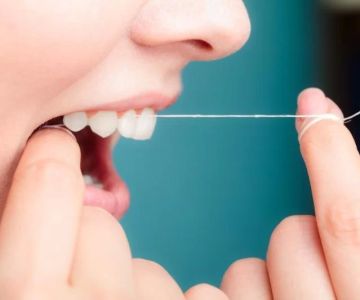
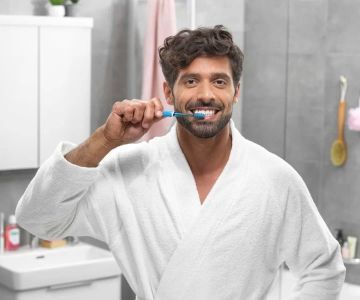
Brush at least twice a day with fluoride toothpaste and use floss or interdental cleaners daily. This helps remove plaque buildup and prevents cavities and gum inflammation.
2. Schedule Regular Dental Visits
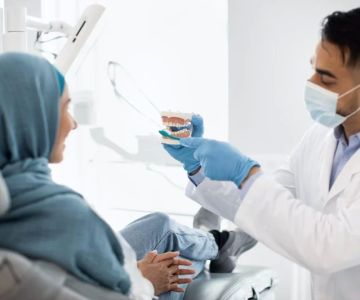
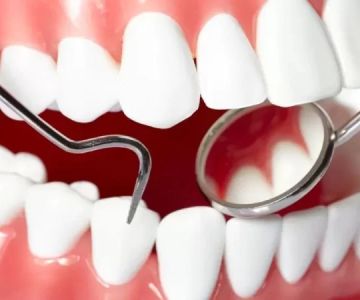
Dental checkups every six months—or more frequently if recommended—are essential for early detection of problems. Professional cleanings also remove tartar that brushing alone can’t eliminate.
3. Stay Hydrated and Manage Dry Mouth
Drinking plenty of water and using sugar-free gum can help stimulate saliva production. Dentists may also recommend special mouth rinses to combat dryness.
4. Choose a Balanced Diet
Include calcium-rich foods like dairy, leafy greens, and fortified plant-based alternatives to strengthen teeth. Limit sugary snacks and drinks, which can feed harmful oral bacteria.
When to Seek Professional Help
If you notice bleeding gums, persistent bad breath, loose teeth, or changes in bite alignment, schedule a dental appointment promptly. These symptoms could indicate underlying oral health issues that require immediate attention.
Empowering Older Adults to Protect Their Smile
Maintaining oral hygiene as an older adult is not just about keeping teeth looking good—it’s about preserving the ability to eat comfortably, speak clearly, and enjoy life fully. In the U.S., access to professional dental care and education can make a remarkable difference in preventing painful and costly problems later on. With the right habits and regular checkups, older adults can keep their smiles strong for years to come.

 Zhihao You, DDS, MS, PhD0.0 (0 review)
 Smileyville Braces and Invisalign4.0 (431 review)
 Arts District Dental4.0 (370 review)
 Barrett Dental Care4.0 (221 review)
 Westborough Family Dental5.0 (71 review)
 Crest Hill Family Dental4.0 (40 review)
 The Importance of Oral Health Education During Pregnancy for a Healthy Pregnancy
 Best Tips for Brushing Your Teeth Properly for Healthy Gums: Essential Techniques for Oral Health
 Why Skipping Dental Checkups Can Lead to Bigger Oral Health Problems
 Advantages of Porcelain Dental Restorations
 How Can Diabetes Cause Tooth and Gum Problems? Preventing and Managing Oral Health Issues
 Healthy Habits for Promoting Good Oral Health and Hygiene: Tips for a Healthy Smile