
Why Do I Need a Root Canal? Understanding the Importance of This Dental Procedure
- What is a Root Canal?
- Common Reasons for Needing a Root Canal
- Signs You May Need a Root Canal
- The Root Canal Procedure Explained
- Benefits of Getting a Root Canal
1. What is a Root Canal?
A root canal is a dental procedure designed to treat infection at the center of a tooth (the root canal system). The procedure involves removing the infected or damaged pulp of the tooth and sealing it to prevent further infection. Despite the reputation that root canals have for being painful, they are actually a highly effective way to save a tooth that would otherwise need to be extracted. Understanding why you might need a root canal can help you avoid unnecessary tooth loss and preserve your smile.
2. Common Reasons for Needing a Root Canal
There are several reasons why you might need a root canal. The most common causes include:
- Severe Tooth Decay: If cavities are left untreated, the infection can reach the tooth’s pulp, requiring a root canal.
- Repeated Dental Procedures: If a tooth has had multiple fillings or dental work, it may be more prone to infection.
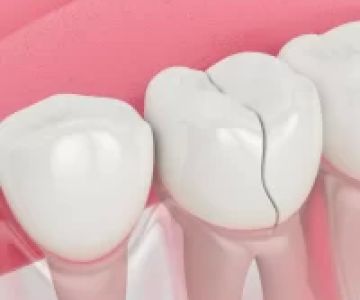
- Cracked or Fractured Teeth: A crack or chip in a tooth can allow bacteria to enter, leading to infection in the pulp.
- Trauma to the Tooth: Any injury to the tooth, such as a blow to the mouth, can lead to nerve damage and infection.
In all of these cases, a root canal can help save the tooth from extraction and protect your overall oral health.
3. Signs You May Need a Root Canal
Knowing the symptoms that indicate you may need a root canal is key to seeking treatment early. Some common signs include:
- Persistent Tooth Pain: Ongoing pain, especially when chewing or touching the tooth, can be a sign of infection.
- Sensitivity to Temperature: Extreme sensitivity to hot or cold that lingers even after removing the source can indicate nerve damage.
- Swollen or Tender Gums: Gums around the affected tooth may become swollen or tender, often accompanied by a pimple-like bump.
- Discoloration of the Tooth: A tooth that turns dark or gray could be a sign of internal damage.
If you experience any of these symptoms, it's important to visit your dentist to determine if a root canal is needed.
4. The Root Canal Procedure Explained
The root canal procedure typically involves several steps:
- Initial Exam: The dentist will take X-rays to examine the tooth and determine the extent of the infection.
- Local Anesthesia: To ensure the procedure is painless, the dentist will numb the area around the infected tooth.
- Removal of Infection: The dentist removes the infected pulp, clean the canals, and seal the area to prevent further infection.
- Sealing the Tooth: After cleaning, the dentist will fill the tooth with a rubber-like material and seal it.
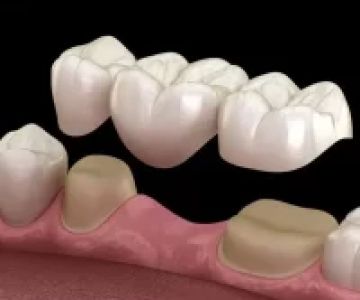
- Restoration: In many cases, a crown is placed over the tooth to restore its function and appearance.
The entire procedure is generally completed in one or two visits and can provide long-lasting relief from pain and infection.
5. Benefits of Getting a Root Canal
Choosing to undergo a root canal treatment offers several significant benefits:
- Tooth Preservation: A root canal can save a tooth from extraction, allowing you to keep your natural tooth.
- Pain Relief: Once the infection is removed, the tooth will stop hurting, providing significant pain relief.
- Prevents Further Damage: By treating the infection early, a root canal prevents the spread of bacteria and damage to surrounding teeth and tissues.
- Improves Oral Health: Maintaining your natural teeth is always the best option for your long-term oral health.
If you’re concerned about needing a root canal, rest assured that it is a proven and effective way to preserve your tooth and maintain your oral health.



 Franco & Associates Family and Cosmetic Dentistry4.0 (172 review)
 Brazos Valley Oral & Maxillofacial Surgery5.0 (1756 review)
 Surya P. Dhakar DDS, PC4.0 (250 review)
 Family Dentistry. Dr. Scott Brown DDS3.0 (105 review)
 Little Big Smiles Pediatric Dentistry of Fort Myers5.0 (130 review)
 Oasis Dentistry4.0 (78 review)
 The Importance of Oral Health Education During Pregnancy for a Healthy Pregnancy
 Best Tips for Brushing Your Teeth Properly for Healthy Gums: Essential Techniques for Oral Health
 Why Skipping Dental Checkups Can Lead to Bigger Oral Health Problems
 Advantages of Porcelain Dental Restorations
 How Can Diabetes Cause Tooth and Gum Problems? Preventing and Managing Oral Health Issues
 Healthy Habits for Promoting Good Oral Health and Hygiene: Tips for a Healthy Smile