
Understanding WHO Oral Hygiene Guidelines
Oral hygiene is essential for maintaining good health, and the World Health Organization (WHO) has established comprehensive guidelines to help individuals worldwide achieve and maintain optimal oral health. Oral hygiene goes beyond simply brushing your teeth; it involves a series of practices that promote the well-being of your mouth, teeth, and gums. According to WHO, maintaining proper oral hygiene is a key factor in preventing oral diseases, such as cavities, gum disease, and even oral cancer.
In the United States, maintaining proper oral hygiene is crucial as oral diseases can significantly impact a person’s overall health. Many of these diseases are preventable through daily care routines like brushing, flossing, and regular dental visits. However, there are still challenges to achieving optimal oral health, as many people either neglect or lack knowledge about proper oral hygiene practices. Let’s explore WHO’s recommendations and how they can be integrated into daily life for a healthier, brighter smile.
The Importance of Oral Hygiene for Overall Health
Oral hygiene is not only about achieving a bright smile but also plays an essential role in overall health. Studies have shown that poor oral hygiene can contribute to various systemic diseases, including cardiovascular disease, diabetes, respiratory infections, and even complications in pregnancy. Maintaining healthy teeth and gums can lower the risk of these conditions and significantly improve an individual’s quality of life.
The WHO emphasizes that oral health is an integral part of general health and well-being. Poor oral hygiene can lead to the buildup of plaque, which contains harmful bacteria that can enter the bloodstream, leading to severe health issues. Regular brushing, flossing, and professional dental care are essential steps in preventing these issues and promoting overall health.
WHO's Key Recommendations for Oral Hygiene
WHO provides specific guidelines to help individuals practice effective oral hygiene. These guidelines are based on extensive research and global best practices for dental care. Below are some of the essential recommendations from the WHO for maintaining good oral hygiene:
1. Brushing Your Teeth Properly
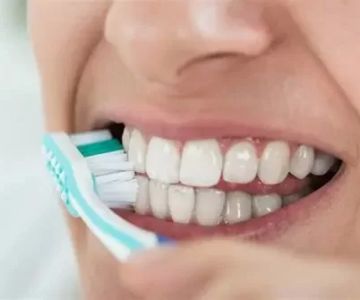
The most crucial aspect of oral hygiene is brushing your teeth twice a day—once in the morning and once before bed. WHO recommends using fluoride toothpaste and brushing for at least two minutes to remove plaque and bacteria effectively. When brushing, use gentle, circular motions to avoid damaging your gums and enamel. Brushing too hard can lead to gum recession and tooth sensitivity.
Ensure that you brush all surfaces of your teeth, including the back, front, and chewing surfaces. Don’t forget to brush your tongue and roof of the mouth, as these areas can also harbor bacteria. WHO advises replacing your toothbrush or toothbrush head every three to four months to ensure the bristles remain effective at cleaning your teeth.
2. Flossing Daily
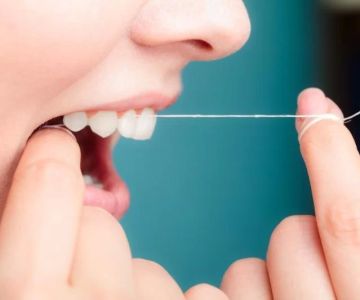
While brushing removes plaque and bacteria from the surfaces of your teeth, it does not reach the areas between your teeth. Flossing is essential to remove food particles and plaque that can accumulate in these hard-to-reach areas. WHO recommends flossing at least once a day to reduce the risk of cavities and gum disease.
If you're unsure about how to floss correctly, your dentist can show you the proper technique. Alternatively, you can use floss picks or water flossers to make flossing easier and more convenient. Regular flossing helps remove bacteria and plaque that brushing alone might miss, leading to cleaner, healthier teeth.
3. Limiting Sugar Intake
WHO advises reducing the intake of sugary foods and beverages to maintain good oral health. Sugar is the primary food source for harmful bacteria in the mouth, which produce acid that can erode tooth enamel and cause cavities. By limiting sugar consumption, you can significantly reduce your risk of tooth decay and gum disease.
In addition to reducing sugary snacks and drinks, it’s essential to drink plenty of water throughout the day to help wash away food particles and neutralize acids in the mouth. Opt for water over sugary sodas or juices to keep your teeth and gums healthy.
4. Regular Dental Checkups
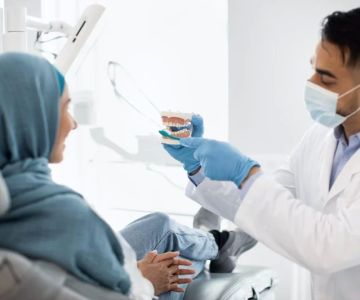
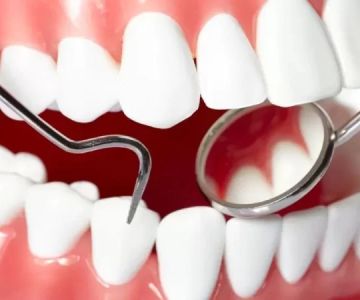
WHO recommends visiting a dentist at least once every six months for a routine checkup and cleaning. Regular dental visits allow for early detection of potential issues, such as cavities, gum disease, and oral cancer. During these checkups, your dentist will professionally clean your teeth, removing plaque and tartar buildup that may have accumulated despite regular brushing and flossing.
In addition to cleaning, your dentist can advise you on the best oral hygiene practices tailored to your specific needs. For example, if you suffer from gum disease or tooth sensitivity, your dentist may recommend specialized toothpaste or treatments to help manage these conditions.
WHO's Role in Promoting Global Oral Health
The World Health Organization plays a significant role in raising awareness about the importance of oral hygiene worldwide. WHO’s guidelines and programs help educate individuals about proper oral care and the significance of oral health for overall well-being. In many countries, WHO collaborates with governments, health organizations, and dental professionals to implement national oral health policies and promote public health initiatives.
In addition to providing guidance on oral hygiene, WHO also addresses the broader issues of access to dental care. Many people, especially in low-income communities, lack access to affordable dental services. WHO advocates for affordable, equitable dental care for everyone, regardless of socioeconomic status. Ensuring that everyone has access to preventive dental care can significantly reduce the global burden of oral diseases.
Real-Life Stories: The Impact of Proper Oral Hygiene
To understand the importance of following WHO’s oral hygiene guidelines, let’s take a look at real-life examples of how good oral hygiene has positively impacted people’s lives.
Take, for instance, Sarah, a 35-year-old mother from Texas, who struggled with gum disease for years. She had ignored the early warning signs, such as bleeding gums and bad breath, until her dentist diagnosed her with a severe case of gingivitis. After following her dentist's advice and adopting WHO’s oral hygiene guidelines, including regular brushing, flossing, and reducing sugar intake, Sarah was able to reverse the effects of gum disease. She now enjoys better oral health and is committed to helping her children learn about the importance of brushing and flossing daily.
Another example is David, a 50-year-old businessman who faced frequent tooth sensitivity and discomfort. After visiting his dentist and following the recommendations for proper oral hygiene, including using fluoride toothpaste and avoiding sugary foods, David’s sensitivity improved significantly. His story serves as a reminder that it's never too late to take charge of your oral health and enjoy a pain-free, confident smile.
Maintaining Oral Hygiene with Family Dentistry Online
At Family Dentistry Online, we offer a wide range of services to help you maintain optimal oral health for yourself and your family. Our experts follow WHO’s guidelines and offer tailored advice to meet the needs of every individual. Whether you're looking for professional teeth cleaning, advice on the best oral hygiene practices, or tips on how to reduce sugar intake for better oral health, we are here to help.
Start your journey to a healthier smile by visiting our website today. Let us help you achieve the bright, healthy smile you deserve, all while following the best practices outlined by the World Health Organization.


 Zhihao You, DDS, MS, PhD0.0 (0 review)
 Smileyville Braces and Invisalign4.0 (431 review)
 Arts District Dental4.0 (370 review)
 Barrett Dental Care4.0 (221 review)
 Westborough Family Dental5.0 (71 review)
 Crest Hill Family Dental4.0 (40 review)
 The Importance of Oral Health Education During Pregnancy for a Healthy Pregnancy
 Best Tips for Brushing Your Teeth Properly for Healthy Gums: Essential Techniques for Oral Health
 Why Skipping Dental Checkups Can Lead to Bigger Oral Health Problems
 Advantages of Porcelain Dental Restorations
 How Can Diabetes Cause Tooth and Gum Problems? Preventing and Managing Oral Health Issues
 Healthy Habits for Promoting Good Oral Health and Hygiene: Tips for a Healthy Smile