
WHO Oral Hygiene and Global Standards for Health
Oral hygiene is more than just a routine—it is a foundation for overall health. The World Health Organization (WHO) emphasizes oral care as an essential component of public health. According to WHO, poor oral hygiene contributes to conditions ranging from cavities and gum disease to systemic issues such as heart disease and diabetes. In the United States, where fast food and sugary diets are common, following WHO oral hygiene guidelines can significantly reduce the risk of chronic health problems and improve long-term quality of life.
1. Why Oral Hygiene Matters Beyond a Bright Smile
Impact on Daily Life
Maintaining oral hygiene directly influences confidence, speech, and social interaction. Something as simple as untreated gum inflammation can escalate into painful infections that make eating difficult. WHO identifies oral disease as one of the most widespread noncommunicable diseases globally, impacting billions of people.
Connection to Overall Health
Research shows a strong link between oral health and conditions such as cardiovascular disease. Bacteria from infected gums can enter the bloodstream, increasing the risk of heart complications. This scientific connection highlights why WHO insists that oral hygiene is not just a cosmetic concern but a crucial element of preventive health care.
2. WHO Recommendations for Daily Oral Hygiene
Brushing Techniques
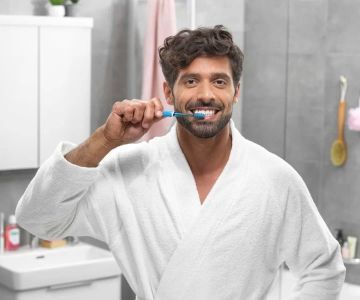
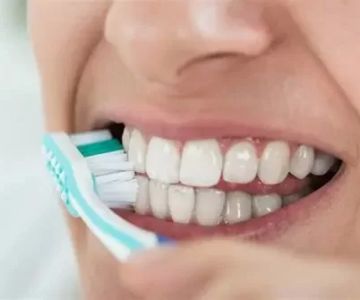
WHO recommends brushing teeth twice a day with fluoride toothpaste. Using a soft-bristled toothbrush and replacing it every three months ensures effectiveness. Circular motions and gentle pressure help remove plaque without damaging enamel.
Flossing and Interdental Cleaning
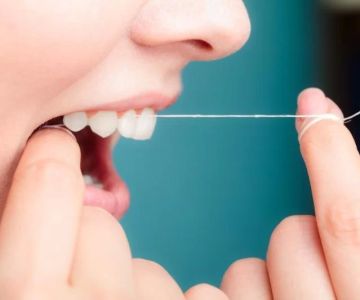
Flossing once daily removes food particles and plaque from spaces a toothbrush cannot reach. WHO emphasizes interdental cleaning as critical to preventing gum disease, which often begins in these hidden areas.
Healthy Dietary Habits
Limiting sugar intake is a cornerstone of WHO’s oral health strategy. Sugary drinks and snacks fuel cavity-causing bacteria. Choosing whole foods, fresh fruits, and calcium-rich products strengthens teeth and minimizes decay risk.
3. Real-Life Cases Showing the Importance of Oral Hygiene
In California, a teenager who skipped regular dental checkups developed advanced gum disease by age 18. Treatment involved deep cleaning and ongoing maintenance, but his story illustrates how early neglect can lead to lifelong consequences. Another case from New York showed how consistent brushing, flossing, and fluoride use helped a family reduce cavities dramatically, proving that prevention guided by WHO oral hygiene principles works in everyday life.
4. Addressing Common Oral Health Challenges in the U.S.
Access to Care
One of the biggest challenges in the U.S. is access to affordable dental services. WHO stresses the importance of regular professional cleanings, but many households skip them due to costs. Dental outreach programs and online platforms like Family Dentistry Online help bridge this gap by offering practical recommendations and affordable care options.
Cultural and Lifestyle Habits
Frequent consumption of coffee, soda, and processed foods in the American diet creates challenges for oral hygiene. WHO encourages public health campaigns to raise awareness and help communities adopt healthier habits that protect oral health.
5. Expert Advice on Long-Term Oral Hygiene Practices
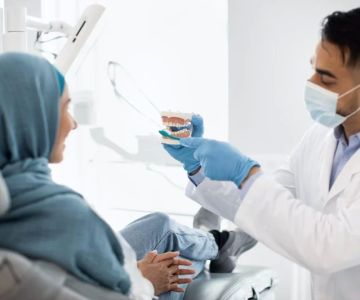
Dentists often combine WHO oral hygiene recommendations with practical advice tailored to individual lifestyles. For example, using mouthguards for athletes, quitting smoking, and scheduling professional cleanings every six months. Experts emphasize that proactive care is always more cost-effective and less painful than treating advanced disease.
6. How Families Can Build Strong Oral Hygiene Habits
WHO highlights family-centered care as vital. Parents who model proper brushing and flossing create lifelong habits in children. Creating fun routines, such as brushing together or using flavored fluoride toothpaste, helps younger family members embrace oral hygiene without resistance. Schools and community programs also play a role by educating children early about the importance of daily care.
7. Where to Find Trusted Resources for Oral Health
For those looking to align with WHO oral hygiene guidance and find practical solutions, Family Dentistry Online provides expert recommendations and resources. From guidance on proper brushing techniques to finding the right dentist for regular checkups, having a trusted platform makes it easier to maintain both dental health and overall well-being.
By following WHO oral hygiene recommendations and adapting them to American lifestyles, individuals and families can reduce the burden of oral disease, improve confidence, and protect their long-term health.

 Edison Dental Arts4.0 (132 review)
 Smile Central Dental4.0 (506 review)
 Cherry Valley Dental4.0 (115 review)
 Warren C. Baine, DMD5.0 (36 review)
 Modern Dental3.0 (148 review)
 Dentist Riverside - TranscenDental Smiles5.0 (274 review)
 The Importance of Oral Health Education During Pregnancy for a Healthy Pregnancy
 Best Tips for Brushing Your Teeth Properly for Healthy Gums: Essential Techniques for Oral Health
 Why Skipping Dental Checkups Can Lead to Bigger Oral Health Problems
 Advantages of Porcelain Dental Restorations
 How Can Diabetes Cause Tooth and Gum Problems? Preventing and Managing Oral Health Issues
 Healthy Habits for Promoting Good Oral Health and Hygiene: Tips for a Healthy Smile