
Understanding Who Can Check for Oral Cancer
Oral cancer is a serious health condition that affects thousands of Americans each year. Early detection plays a crucial role in successful treatment and improved survival rates. But many wonder, who can check for oral cancer and what the process entails? This comprehensive guide explores the professionals qualified to conduct oral cancer screenings, what to expect during these examinations, and why they are essential for maintaining oral health.
Dental Professionals as Primary Screeners
Role of Dentists in Oral Cancer Screening
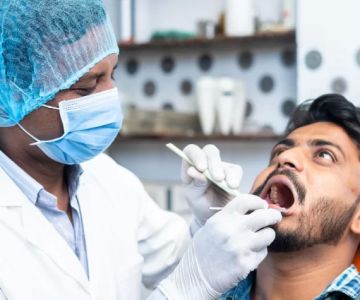
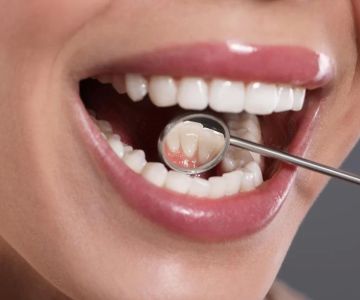
Dentists are the frontline experts in identifying early signs of oral cancer. During routine dental checkups, they perform visual and tactile examinations of the mouth, throat, and surrounding tissues. These screenings look for unusual lumps, sores, discolorations, or any abnormal tissue changes that might indicate cancer or precancerous conditions.
Dr. Linda Hayes, a practicing dentist in California, shares, “A typical oral cancer screening is quick but thorough. We check the lips, tongue, gums, and inside of the cheeks. If we find something suspicious, we refer patients to specialists immediately.”
Dental Hygienists and Their Contribution
Dental hygienists also play a vital role in oral cancer detection. As professionals who perform routine cleanings, they often notice early signs and alert dentists to conduct further examinations. Their training allows them to identify red or white patches and other warning signs during regular appointments.
Specialists in Oral Cancer Detection
Oral and Maxillofacial Surgeons
For cases requiring advanced diagnosis or treatment, oral and maxillofacial surgeons step in. These specialists have extensive training in diseases affecting the mouth, jaw, and face. They conduct biopsies and complex evaluations to determine if suspicious lesions are malignant.
Oncologists and Head & Neck Specialists
Once oral cancer is confirmed, oncologists and head & neck surgeons manage treatment plans. While they do not typically perform initial screenings, their expertise is critical in cancer management, including surgery, radiation, and chemotherapy.
Who Should Get Screened and When?
Everyone benefits from oral cancer screenings, but certain groups should be especially vigilant:
- Smokers and Tobacco Users: Tobacco use significantly increases oral cancer risk, making regular screenings essential.
- Heavy Alcohol Consumers: Alcohol can irritate mouth tissues and heighten cancer risk.
- Individuals with HPV Infection: Human papillomavirus is linked to oropharyngeal cancers.
- Adults Over 40: Risk increases with age, so routine screenings are advised.
Regular dental visits every six months provide a perfect opportunity to undergo oral cancer checks.
What to Expect During an Oral Cancer Screening
The screening process is straightforward and painless. It involves:
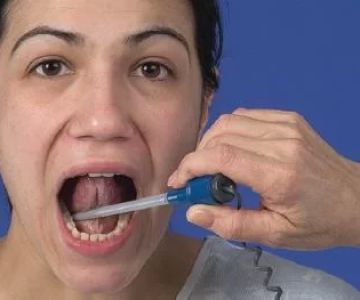
- Visual inspection of the lips, tongue, roof and floor of the mouth, and throat.
- Feeling the tissues inside the mouth and neck to detect lumps or irregularities.
- Sometimes, use of special dyes or light sources to highlight abnormal areas.
If abnormalities are detected, a biopsy or referral to a specialist will follow for further assessment.
Stories of Early Detection and Successful Treatment
Consider the story of Mark, a 52-year-old man from Texas who never thought oral cancer could affect him. During a routine dental visit, his dentist noticed a small white patch on his tongue. Thanks to early detection, Mark underwent a minor biopsy and treatment, avoiding more invasive procedures. He credits the quick screening for saving his life.
Such stories highlight the importance of regular oral cancer screenings and knowing who can check for oral cancer.
Maintaining Oral Health Beyond Cancer Screening
While screenings are vital, maintaining overall oral health supports cancer prevention. This includes proper brushing, flossing, limiting tobacco and alcohol, and eating a balanced diet rich in fruits and vegetables.
For tailored advice, professional dental care, and trusted oral cancer screening services, visit Dentistry Toothtruth. Their expert team ensures you receive comprehensive care to protect your oral health and detect any problems early.
 Wake Orthodontics & Pediatric Dentistry4.0 (1396 review)
 Olga Soltis, DDS4.0 (146 review)
 Nashua Cosmetic & Restorative Dentistry, PLLC4.0 (51 review)
 Hawthorne Dental Associates5.0 (463 review)
 Cain Orthodontics, PC4.0 (95 review)
 Lakewood Dentistry & Orthodontics4.0 (64 review)
 The Importance of Oral Health Education During Pregnancy for a Healthy Pregnancy
 Best Tips for Brushing Your Teeth Properly for Healthy Gums: Essential Techniques for Oral Health
 Why Skipping Dental Checkups Can Lead to Bigger Oral Health Problems
 Advantages of Porcelain Dental Restorations
 How Can Diabetes Cause Tooth and Gum Problems? Preventing and Managing Oral Health Issues
 Healthy Habits for Promoting Good Oral Health and Hygiene: Tips for a Healthy Smile