
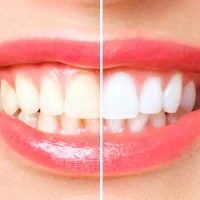
How to Whiten Teeth with Baking Soda Safely: Effective and Natural Teeth Whitening
- 1. Understanding Baking Soda for Teeth Whitening
- 2. How to Use Baking Soda for Teeth Whitening Safely
- 3. Precautions and Tips for Safe Whitening
- 4. Alternative Natural Teeth Whitening Methods
1. Understanding Baking Soda for Teeth Whitening
Baking soda, or sodium bicarbonate, is a natural substance known for its abrasive properties. It’s commonly used for cleaning purposes and is believed to help whiten teeth by gently scrubbing away surface stains. The mild abrasiveness of baking soda helps to remove food particles, plaque, and other debris that may cause teeth to appear yellow or dull.
Many people turn to baking soda as a natural alternative to chemical teeth whitening products due to its affordability and availability. However, it's important to understand how to use it safely in order to avoid damaging your teeth or gums.
2. How to Use Baking Soda for Teeth Whitening Safely
If you're looking to whiten your teeth with baking soda, there are a few methods that can be effective and safe. Below are some of the best ways to use baking soda for teeth whitening:
- Baking Soda Paste: Mix a small amount of baking soda with water to create a thick paste. Apply the paste to your toothbrush and brush your teeth gently for two minutes. This method is best used once or twice a week to avoid over-scrubbing your enamel.
- Baking Soda and Hydrogen Peroxide: Combine baking soda with a few drops of hydrogen peroxide to form a paste. This combination can help to break down tough stains while still being safe for your teeth. Be sure to rinse thoroughly afterward.
- Baking Soda and Lemon Juice: Another option is to mix baking soda with fresh lemon juice to form a paste. The acidity of the lemon juice may enhance the whitening effect, but it's important to use this method sparingly, as the acid can wear down enamel over time.
- Baking Soda Toothpaste: Some commercially available toothpaste brands contain baking soda as an ingredient. These products are designed for everyday use and can provide safe, gradual whitening with minimal risk of enamel damage.
3. Precautions and Tips for Safe Whitening
While baking soda is an effective and natural way to whiten your teeth, it’s important to use it with caution to prevent harm to your dental health:
- Don't Overuse: Using baking soda too frequently can cause enamel erosion, leading to increased tooth sensitivity and other dental issues. Limit the use of baking soda to once or twice a week to ensure your teeth remain healthy.
- Be Gentle: The abrasiveness of baking soda can be harsh on the enamel if used with too much force. Brush gently to avoid damaging the delicate surface of your teeth.
- Rinse Well: After brushing with baking soda, make sure to rinse your mouth thoroughly with water. This will help to remove any residual baking soda and prevent it from lingering on your teeth.
- Consult Your Dentist: Before trying any at-home teeth whitening methods, it’s always a good idea to consult with your dentist, especially if you have sensitive teeth or existing dental work like fillings or crowns.
4. Alternative Natural Teeth Whitening Methods
If you're looking for other natural ways to whiten your teeth without using baking soda, consider the following alternatives:
- Activated Charcoal: Activated charcoal is believed to help remove surface stains on teeth by binding to particles and toxins in the mouth. Use with caution, as its abrasive nature can also be damaging if overused.
- Coconut Oil Pulling: Oil pulling with coconut oil is an ancient practice that may help whiten teeth and improve oral health. Swishing coconut oil in your mouth for 10-15 minutes each day can help remove bacteria and plaque.
- Apple Cider Vinegar: Although acidic, apple cider vinegar has been used as a natural teeth whitener. Diluting it with water and using it occasionally can help whiten teeth, but overuse may cause enamel damage, so it should be used sparingly.
- Strawberries: The malic acid in strawberries is believed to help remove surface stains. You can mash a fresh strawberry and apply it to your teeth for a few minutes, then rinse thoroughly with water.
For more information on safe and effective teeth whitening methods, visit Dentistry Toothtruth for expert advice and resources!






 Pearl Family Dental Care4.0 (123 review)
 Ashland Smile Center4.0 (58 review)
 Holbert Family Orthodontics5.0 (467 review)
 Main Line Dental Aesthetics4.0 (336 review)
 David Lee0.0 (0 review)
 Gardena Dental Care4.0 (416 review)
 The Importance of Oral Health Education During Pregnancy for a Healthy Pregnancy
 Best Tips for Brushing Your Teeth Properly for Healthy Gums: Essential Techniques for Oral Health
 Why Skipping Dental Checkups Can Lead to Bigger Oral Health Problems
 Advantages of Porcelain Dental Restorations
 How Can Diabetes Cause Tooth and Gum Problems? Preventing and Managing Oral Health Issues
 Healthy Habits for Promoting Good Oral Health and Hygiene: Tips for a Healthy Smile