
The Role of Bacteria in Oral Health
Oral health is essential to overall well-being, yet many people do not realize that poor dental hygiene can lead to several diseases caused by bacteria. Bacteria naturally exist in the mouth, but when oral hygiene is neglected, harmful bacteria can thrive and cause significant damage. In this article, we will explore which oral diseases are caused by bacteria, their symptoms, how they affect the body, and what you can do to prevent them.
1. Tooth Decay (Dental Caries)
Tooth decay, or dental caries, is one of the most common oral diseases caused by bacteria. It begins when the bacteria in the mouth feed on sugars from food and drink. As a result, the bacteria produce acids that attack tooth enamel, leading to cavities. If untreated, these cavities can become deeper, affecting the tooth pulp and potentially leading to tooth loss.
The bacteria responsible for tooth decay include Streptococcus mutans, which is known for its ability to adhere to tooth surfaces and form plaque. Plaque is a sticky biofilm that harbors bacteria and can lead to more serious dental issues. The best way to prevent tooth decay is by brushing teeth regularly, using fluoride toothpaste, and limiting sugary food and drinks.
2. Gum Disease (Periodontal Disease)
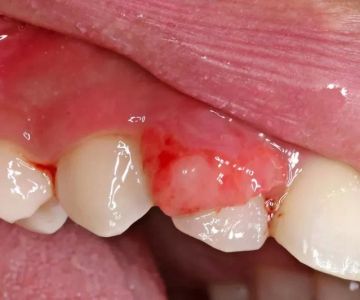
Gum disease, or periodontal disease, is another common bacterial infection in the mouth. It occurs when bacteria infect the gums and surrounding tissues. The first stage of gum disease is gingivitis, which causes inflammation and bleeding of the gums. If left untreated, gingivitis can progress to periodontitis, a more severe form of gum disease that can lead to tooth mobility and loss.
The bacteria that cause gum disease include Porphyromonas gingivalis, Tannerella forsythia, and Treponema denticola. These bacteria produce toxins that can damage the tissue supporting the teeth and may contribute to systemic health problems such as heart disease and diabetes. To prevent gum disease, regular brushing, flossing, and professional cleanings are essential.
3. Abscesses
An abscess is a painful, localized infection that occurs in the tooth or gum tissues. It is caused by bacteria entering the tooth or gum through a cavity, a cracked tooth, or poor oral hygiene. The infection results in the formation of pus, which can cause swelling, severe pain, and sensitivity to touch or temperature changes. Abscesses require prompt dental attention, as the infection can spread to other areas of the body, leading to more severe health complications.
Common bacteria involved in abscess formation include Streptococcus pyogenes and Staphylococcus aureus. Treatment for abscesses typically involves draining the infection and prescribing antibiotics. It is also important to address the underlying cause of the infection, such as treating a cavity or a cracked tooth.
4. Bad Breath (Halitosis) Caused by Bacteria
Halitosis, commonly known as bad breath, is often caused by the buildup of bacteria in the mouth. While occasional bad breath is normal, chronic halitosis is typically a sign that bacteria are thriving in the mouth due to poor oral hygiene or an underlying oral condition. The bacteria responsible for bad breath break down food particles, releasing sulfur compounds that cause an unpleasant odor.
The most common bacteria associated with halitosis are Fusobacterium nucleatum and Prevotella intermedia. These bacteria are typically found in plaque and gingival pockets around the teeth. Regular brushing, flossing, and tongue cleaning, along with staying hydrated, can help reduce bad breath and eliminate the bacteria responsible.
5. Oral Thrush (Candidiasis)
Oral thrush is a fungal infection caused by an overgrowth of Candida albicans, a yeast that naturally lives in the mouth. While not caused by bacteria, it is a microbial infection that often occurs alongside bacterial imbalances in the oral microbiome. Oral thrush can cause white patches on the tongue, inner cheeks, and roof of the mouth. It is more common in people with weakened immune systems, such as those with HIV/AIDS or individuals who are taking certain medications like antibiotics.
When bacterial infections disrupt the natural balance of the mouth, they can contribute to conditions like oral thrush. Maintaining a healthy oral microbiome through good oral hygiene practices and limiting the use of antibiotics can help prevent oral thrush from developing.
How to Prevent Bacterial Oral Diseases
The good news is that many oral diseases caused by bacteria are preventable with proper care and attention. The key to preventing tooth decay, gum disease, and other bacterial infections is maintaining excellent oral hygiene. Here are some tips to help you keep your mouth healthy:
- Brush Your Teeth Twice a Day: Use fluoride toothpaste and a soft-bristled toothbrush to brush your teeth for two minutes, focusing on all surfaces of each tooth.
- Floss Daily: Flossing helps remove food particles and plaque from between your teeth and along the gumline, preventing bacterial buildup.
- Limit Sugary Foods and Drinks: Sugary foods and drinks provide a food source for harmful bacteria, increasing the risk of tooth decay and gum disease.
- Visit the Dentist Regularly: Professional cleanings and checkups allow your dentist to detect and treat any oral health issues before they become more serious.
- Stay Hydrated: Drinking water helps rinse away food particles and bacteria, preventing bad breath and maintaining a healthy mouth.
Conclusion: The Importance of Early Detection
Oral diseases caused by bacteria, such as tooth decay and gum disease, can significantly impact your health if left untreated. By understanding how these diseases develop and taking steps to prevent them, you can keep your mouth healthy and reduce the risk of complications. Regular dental visits, along with consistent oral hygiene habits, are essential for preventing bacterial infections and maintaining a beautiful smile.
If you’re looking for the best dental care services and products to maintain your oral health, visit Family Dentistry Online for top recommendations on dental care solutions.


 Amy B. Farnsworth, DMD - Orthodontist4.0 (73 review)
 Yonkers Dental Implants Center4.0 (63 review)
 HealthPartners Dental Specialty Center Woodbury - Lake Elmo3.0 (38 review)
 4Excellence In Dentistry5.0 (742 review)
 All Family Dental and Braces4.0 (689 review)
 All Smiles5.0 (12 review)
 The Importance of Oral Health Education During Pregnancy for a Healthy Pregnancy
 Best Tips for Brushing Your Teeth Properly for Healthy Gums: Essential Techniques for Oral Health
 Why Skipping Dental Checkups Can Lead to Bigger Oral Health Problems
 Advantages of Porcelain Dental Restorations
 How Can Diabetes Cause Tooth and Gum Problems? Preventing and Managing Oral Health Issues
 Healthy Habits for Promoting Good Oral Health and Hygiene: Tips for a Healthy Smile