
Which Oral Disease Has the Worst Prognosis?
Oral health is integral to overall health, yet many individuals overlook the importance of maintaining a proper oral hygiene routine. While some dental conditions can be easily treated or managed with early intervention, certain oral diseases have a much graver prognosis. Understanding these diseases, their progression, and their long-term effects can help individuals prioritize their oral health.
Among the various oral diseases, two stand out for having particularly poor prognoses: oral cancer and advanced periodontal disease. These conditions not only affect the teeth and gums but can also have systemic impacts that significantly reduce quality of life. In this article, we’ll delve deeper into these diseases, explore their risk factors, and understand why their prognosis can be so severe.
1. Oral Cancer: A Disease with a Severe Prognosis
Oral cancer, also known as mouth cancer, is one of the most concerning oral diseases due to its aggressive nature and the severe impact it has on overall health. It affects the lips, tongue, cheeks, floor of the mouth, hard palate, and throat, with a tendency to spread rapidly to surrounding tissues and distant organs.
The prognosis for oral cancer depends largely on the stage at which it is diagnosed. Early-stage oral cancer can sometimes be treated effectively with surgery, radiation, and chemotherapy. However, when the cancer is diagnosed at an advanced stage, treatment options become more limited and less effective.
Risk Factors and Symptoms of Oral Cancer
The risk factors for oral cancer include smoking, heavy alcohol consumption, human papillomavirus (HPV) infection, and a poor diet. Individuals who use tobacco products or drink alcohol heavily are at a significantly higher risk of developing oral cancer.
Symptoms often include persistent mouth sores, difficulty swallowing, unexplained pain or numbness in the mouth, and changes in speech. These symptoms can sometimes be confused with other less serious conditions, which is why early detection through regular dental checkups is crucial for improving the prognosis.
Why Oral Cancer Has the Worst Prognosis
Oral cancer’s prognosis is typically poor due to its tendency to go undiagnosed until it reaches a late stage. As the cancer spreads to the lymph nodes and other areas of the body, treatment becomes much more difficult, and survival rates drop dramatically. According to the American Cancer Society, the five-year survival rate for oral cancer drops to about 50% once it has spread beyond the local area.
2. Periodontal Disease: Silent but Dangerous
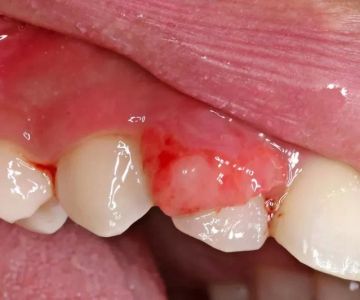
Periodontal disease, also known as gum disease, is another oral condition with a poor prognosis if left untreated. This disease starts with gingivitis (inflammation of the gums) but can progress to periodontitis, a more severe form where the gums, bones, and connective tissue are damaged.
While periodontal disease is common and often neglected, it can lead to significant damage if it progresses to its advanced stages. When gum disease reaches periodontitis, the supporting structures of the teeth weaken, which can eventually result in tooth loss. Severe cases of periodontal disease can even affect systemic health, increasing the risk of heart disease, diabetes, and stroke.
Causes and Symptoms of Periodontal Disease
The primary cause of periodontal disease is poor oral hygiene, which leads to the buildup of plaque—a sticky film of bacteria—on the teeth and gums. Other factors such as smoking, genetics, diabetes, and hormonal changes can contribute to the severity of gum disease.
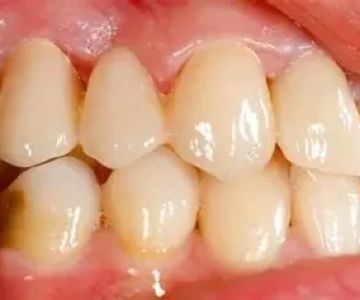
Common symptoms of advanced periodontal disease include swollen, bleeding gums, bad breath, gum recession, and loose teeth. These symptoms may develop gradually, making it difficult to notice the disease in its early stages. However, if left untreated, periodontal disease can lead to irreversible damage to the teeth and surrounding tissues.
Why Periodontal Disease Has a Poor Prognosis
One of the reasons why periodontal disease has a poor prognosis is that it often progresses without noticeable pain or discomfort, leading to delayed treatment. As the disease advances, it causes irreversible damage to the bone structure that supports the teeth. While professional dental cleanings and good oral hygiene can prevent or manage gum disease in its early stages, once it reaches the point of tooth loss and severe bone damage, the prognosis becomes significantly worse.
3. The Link Between Oral Health and Systemic Disease
Both oral cancer and advanced periodontal disease can affect more than just your mouth. Research has shown that poor oral health is linked to various systemic health conditions, such as cardiovascular disease, diabetes, and respiratory infections. The bacteria and inflammation from oral diseases can enter the bloodstream and cause widespread effects on the body.
For example, untreated gum disease can contribute to the development of heart disease by increasing inflammation in the body. Similarly, individuals with diabetes are more likely to develop periodontal disease due to their body’s reduced ability to fight infections. As such, addressing oral health problems early is critical not only for maintaining a healthy mouth but also for preventing the exacerbation of other health conditions.
Real-Life Stories: The Impact of Poor Oral Health
Take the case of John, a 55-year-old man who ignored his gum disease for years. By the time he visited the dentist, he had lost several teeth and was diagnosed with advanced periodontal disease. His condition also led to complications with his heart health, and his doctor warned him that further neglect could lead to a stroke. John’s experience highlights the importance of addressing oral health problems early on to prevent further health issues.
Another example is Maria, a 47-year-old woman who discovered a lump in her mouth during a routine dental checkup. Upon further examination, it was found to be a sign of oral cancer. Thanks to early detection, Maria underwent surgery and radiation therapy and is now in remission. Her case demonstrates the importance of regular dental checkups, which can catch oral cancer in its early, more treatable stages.
Maintaining Oral Health for Prevention
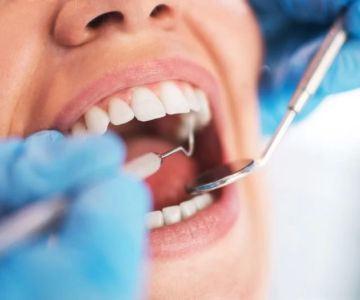
Preventing serious oral diseases like oral cancer and periodontal disease requires good oral hygiene practices and regular dental visits. Brushing and flossing twice a day, reducing sugar intake, avoiding tobacco use, and scheduling regular checkups with your dentist can all help reduce your risk of developing these serious conditions. Early detection is key to improving prognosis and preventing the spread of disease.
If you're looking for professional dental care to maintain your oral health and prevent serious oral diseases, visit Family Dentistry Online. Our team of experts provides comprehensive dental services tailored to your needs, ensuring that your oral health is in good hands.



 The Implant Center at Comprehensive Dental4.0 (421 review)
 Modern Dentistry Of Peoria4.0 (563 review)
 Advanced Family Dental & Orthodontics4.0 (216 review)
 Todays Dental Of Joliet (formerly Hammes Family Dental)4.0 (130 review)
 Kevin B. Sands, DDS5.0 (168 review)
 Kids Dental Land4.0 (602 review)
 The Importance of Oral Health Education During Pregnancy for a Healthy Pregnancy
 Best Tips for Brushing Your Teeth Properly for Healthy Gums: Essential Techniques for Oral Health
 Why Skipping Dental Checkups Can Lead to Bigger Oral Health Problems
 Advantages of Porcelain Dental Restorations
 How Can Diabetes Cause Tooth and Gum Problems? Preventing and Managing Oral Health Issues
 Healthy Habits for Promoting Good Oral Health and Hygiene: Tips for a Healthy Smile