
Understanding Oral Vesicles and Their Clinical Significance
Oral vesicles are small, fluid-filled lesions that appear inside the mouth and are often the first visible sign of certain viral or bacterial infections. They can cause discomfort, pain, and difficulty eating or speaking. Identifying which of the following diseases initially forms oral vesicles is essential for early diagnosis and effective treatment. Patients in the United States frequently encounter these symptoms in both children and adults, making public awareness crucial for timely care.
Herpetic Gingivostomatitis: A Common Culprit
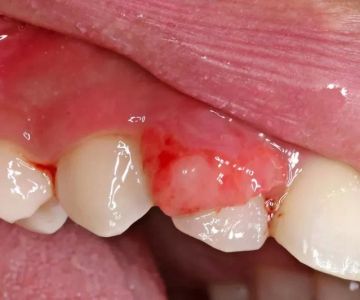
One of the most frequent diseases known to initially form oral vesicles is herpetic gingivostomatitis, caused by the herpes simplex virus type 1 (HSV-1). It often affects children experiencing their first herpes infection. Patients may develop clusters of painful oral vesicles that quickly rupture, leaving shallow ulcers. A parent from Ohio once shared how their five-year-old child developed fever, irritability, and blisters on the gums that made eating difficult. With supportive care and hydration, the child recovered, but the experience highlighted the importance of recognizing oral vesicles early.
Hand-Foot-Mouth Disease and Its Distinctive Patterns
Another condition commonly associated with oral vesicles is hand-foot-mouth disease, caused by coxsackievirus. This infection predominantly affects young children and begins with vesicles inside the mouth, followed by rashes on the hands and feet. Parents often mistake it for teething discomfort until the characteristic blisters appear. Teachers in daycare centers across the U.S. frequently report outbreaks, especially during the summer and fall. Though the disease is usually self-limiting, it can cause significant distress in children due to mouth pain and fever.
Varicella (Chickenpox) and Oral Vesicles
While chickenpox is often recognized by itchy skin blisters, it also initially forms oral vesicles in some cases. These lesions can appear on the palate or inside the cheeks, making it painful for children to eat or drink. Pediatricians emphasize that oral vesicles in chickenpox are sometimes overlooked because parents focus on the skin rash. Recognizing them helps improve comfort measures, such as providing soft, cold foods and adequate fluids to prevent dehydration.
Herpangina and Its Oral Vesicle Presentation
Herpangina, another viral illness caused by enteroviruses, is characterized by vesicles forming at the back of the mouth, particularly on the soft palate and tonsillar pillars. Children may present with sudden fever, sore throat, and difficulty swallowing. Unlike hand-foot-mouth disease, the rash is confined to the oral cavity, making diagnosis more specific. A case in Texas highlighted how a summer camp outbreak of herpangina left dozens of children with mouth vesicles, requiring supportive care and rest before returning to activities.
Less Common Causes of Oral Vesicles
While viral infections are the primary cause, oral vesicles may also appear in autoimmune conditions or rare dermatological disorders. For example, pemphigus vulgaris can present with blister-like oral lesions, though this is less common compared to viral causes. Dental professionals in the United States note that persistent or unusual vesicles should prompt further medical investigation to rule out serious underlying conditions.
Why Early Diagnosis of Oral Vesicles Matters
Early recognition of oral vesicles allows for quicker treatment and reduced complications. Children are particularly vulnerable because pain can lead to dehydration if they refuse to drink. Adults may also experience severe discomfort affecting daily activities. By identifying whether oral vesicles stem from herpes, hand-foot-mouth disease, or another condition, healthcare providers can recommend appropriate treatment and supportive care. Platforms like Family Dentistry Online provide valuable resources and professional guidance for families seeking reliable information and care options in the U.S.
Managing Symptoms and Seeking Professional Help
For most viral causes, treatment focuses on symptom management, including pain relief, hydration, and maintaining good oral hygiene. Severe or prolonged cases may require medical attention to prevent complications. Parents and patients should avoid self-diagnosis and consult healthcare providers when oral vesicles persist, worsen, or occur alongside high fever or other concerning symptoms.
Encouraging Awareness and Proactive Care
Oral vesicles are not merely small mouth sores—they are often the first sign of significant viral infections like herpes, hand-foot-mouth disease, or chickenpox. Recognizing these early markers empowers families to act quickly, reduce discomfort, and prevent complications. By understanding which diseases initially form oral vesicles, patients can approach treatment with confidence and ensure they or their loved ones receive the care they need.




 Smile Design Studio Of Hyde Park LLC4.0 (367 review)
 Vital Dental4.0 (39 review)
 Magdy Attia0.0 (0 review)
 Bright Now! Dental & Orthodontics3.0 (191 review)
 Fidelity Dental Care - Dr. M. F. Karam DDS3.0 (23 review)
 Northpark Dental4.0 (99 review)
 The Importance of Oral Health Education During Pregnancy for a Healthy Pregnancy
 Best Tips for Brushing Your Teeth Properly for Healthy Gums: Essential Techniques for Oral Health
 Why Skipping Dental Checkups Can Lead to Bigger Oral Health Problems
 Advantages of Porcelain Dental Restorations
 How Can Diabetes Cause Tooth and Gum Problems? Preventing and Managing Oral Health Issues
 Healthy Habits for Promoting Good Oral Health and Hygiene: Tips for a Healthy Smile