
Understanding the Importance of Oral Hygiene in the U.S.
Oral hygiene is an essential aspect of overall health, yet many overlook its significance until issues arise. Dental problems, such as tooth decay, gum disease, and bad breath, are some of the most common health issues in the United States. The importance of maintaining good oral hygiene has only become more widely acknowledged in recent years. However, there was a time when the state of oral health in the U.S. reached a point of crisis, prompting a national declaration to address the issue. Let’s explore how oral hygiene became a national concern and what steps have been taken to combat the growing health crisis.
1. Early Warning Signs of a National Crisis
The U.S. has always faced dental challenges, but the issue became particularly urgent in the late 20th century. In the 1980s and 1990s, studies revealed that a significant portion of the American population struggled with poor oral hygiene, leading to widespread dental problems. The most alarming finding was that millions of children and adults were suffering from preventable diseases such as tooth decay and gum disease. Dental health statistics revealed that tooth decay in children was at an all-time high, and the lack of access to quality dental care was contributing to the worsening situation.
One of the major contributing factors was the socio-economic gap in access to dental services. Rural areas, in particular, faced shortages in affordable dental care, and many people could not afford basic oral health services. This disparity in access to dental care became a critical issue, affecting both children and adults alike. In response to this growing crisis, dental health advocates began raising awareness about the importance of oral hygiene and the consequences of neglecting it.
2. The Declaration of Oral Hygiene as a National Emergency
In 2000, after decades of warning signs, the U.S. government, along with dental organizations and public health advocates, took action. The American Dental Association (ADA) and the Centers for Disease Control and Prevention (CDC) issued a public health emergency declaration. The state of dental hygiene in the U.S. had reached a point where it was deemed a national emergency, with millions of Americans facing dental issues that were not only painful but also linked to other health problems.
The national emergency declaration aimed to address the growing number of people without access to dental care and the alarming increase in preventable dental diseases. The government recognized that oral hygiene was directly tied to overall health, affecting everything from heart disease to diabetes. The declaration emphasized the need for public education on the importance of brushing and flossing, the role of diet in oral health, and regular visits to the dentist.
3. The Public Health Campaigns
Following the declaration of oral hygiene as a national emergency, a series of public health campaigns were launched to educate the population about the importance of oral hygiene. The “Brush, Floss, Smile” campaign, for example, encouraged individuals of all ages to adopt a daily oral hygiene routine. The campaign highlighted the link between oral health and overall well-being, especially in terms of heart disease, diabetes, and even respiratory issues.
Schools, communities, and healthcare providers became central to these campaigns, helping children and families develop healthy habits. The government allocated funding for initiatives that provided dental care to underserved communities and promoted education about preventive measures. One notable program was the expansion of Medicaid and Medicare dental benefits, which provided low-income families with better access to care.
4. Impact on Oral Hygiene Products
As part of the national effort to improve oral hygiene, there was a surge in demand for dental products such as toothpaste, toothbrushes, mouthwash, and floss. Manufacturers began creating products that were more accessible and affordable, as well as offering options with added benefits like fluoride protection and antibacterial properties. The development of advanced toothbrushes, such as electric models and those designed for children, also contributed to improved oral care habits.
Dental professionals emphasized the importance of using the right products for maintaining oral hygiene. Oral health companies also launched campaigns that reinforced the message of prevention and the benefits of maintaining healthy teeth and gums.
5. The Ongoing Battle for Better Oral Health
Despite the progress made since the national emergency declaration, oral hygiene remains a pressing issue in the U.S. Today, there are still many challenges, including disparities in access to dental care, particularly in rural and low-income communities. The prevalence of tooth decay and gum disease continues to be high, especially among children. However, efforts are ongoing to improve access to care, raise awareness, and educate the public on the importance of oral hygiene.
Many dental organizations are working with local governments and healthcare providers to ensure that all Americans, regardless of income or location, have access to dental services. Initiatives such as school-based dental programs, mobile dental clinics, and tele-dentistry services are making a difference in reaching underserved populations. Additionally, there is a growing focus on integrating oral health with overall healthcare, as more research reveals the strong connection between oral hygiene and systemic health.
6. Conclusion: A National Focus on Oral Health
The declaration of oral hygiene as a national emergency in the early 2000s marked a pivotal moment in the U.S. effort to tackle dental health issues. Thanks to public health campaigns, improved access to care, and better products, oral hygiene awareness has significantly increased over the years. However, the journey is far from over. To continue improving oral health across the nation, it is essential for individuals to practice good oral hygiene, advocate for accessible dental care, and stay informed about the latest oral health trends. Together, we can make oral hygiene a priority for every American, ensuring healthier smiles and improved overall well-being.
For more tips and the best dental services to help you maintain good oral hygiene, visit Family Dentistry Online for top recommendations on dental care products and services.

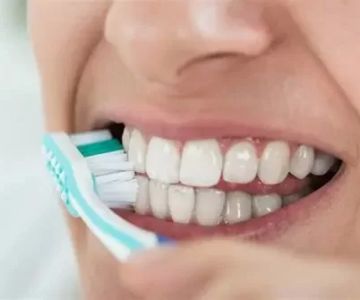
 Woodbury Dental Care4.0 (651 review)
 Smile Academy Pediatric Dentistry4.0 (48 review)
 Springfield Kids Dental5.0 (184 review)
 Sirin Dentistry4.0 (463 review)
 Root Cause Dentistry- Biological Dentist0.0 (0 review)
 Millennium Dental Arts5.0 (235 review)
 The Importance of Oral Health Education During Pregnancy for a Healthy Pregnancy
 Best Tips for Brushing Your Teeth Properly for Healthy Gums: Essential Techniques for Oral Health
 Why Skipping Dental Checkups Can Lead to Bigger Oral Health Problems
 Advantages of Porcelain Dental Restorations
 How Can Diabetes Cause Tooth and Gum Problems? Preventing and Managing Oral Health Issues
 Healthy Habits for Promoting Good Oral Health and Hygiene: Tips for a Healthy Smile