
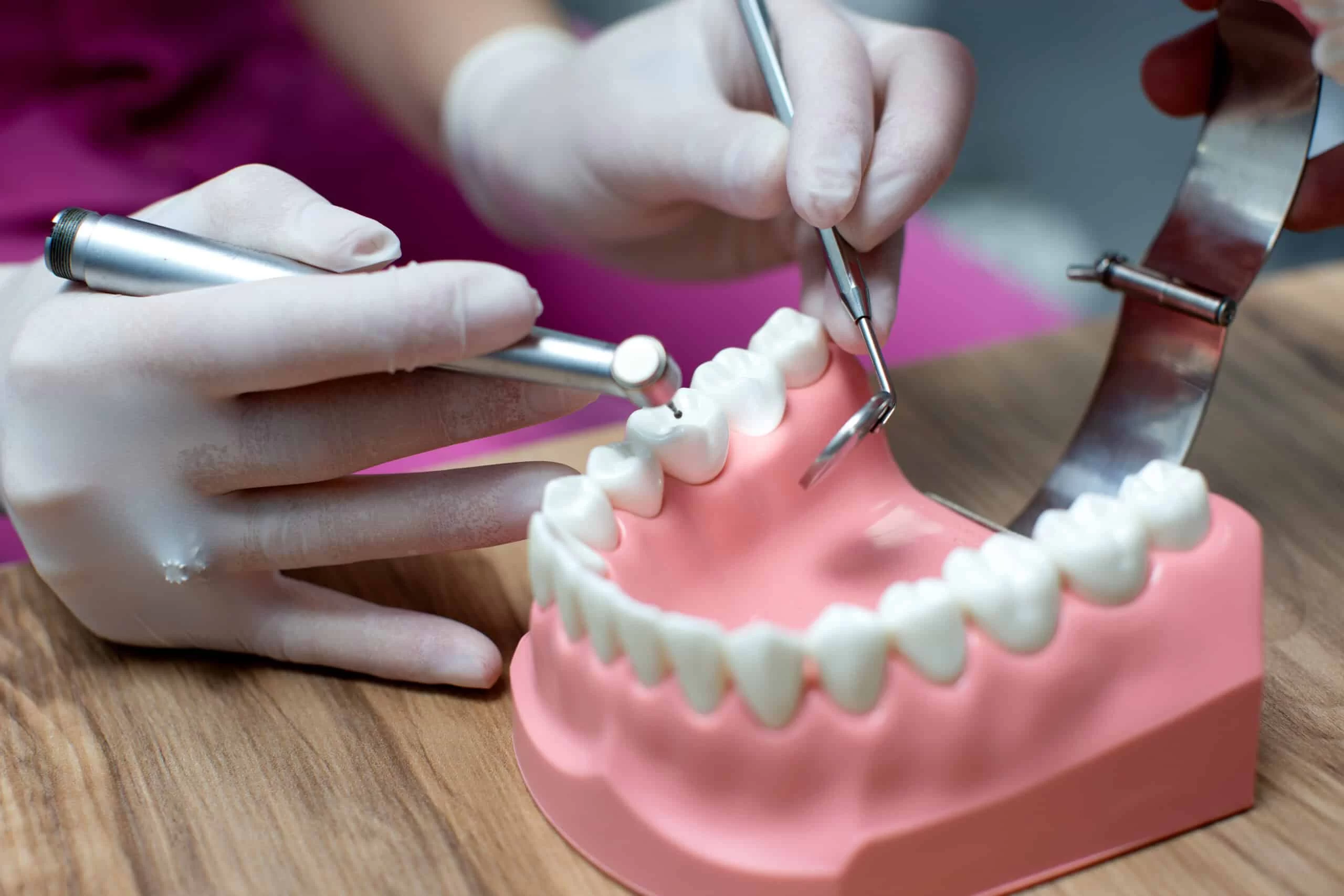
What to Do If Your Dental Crown Falls Off: Step-by-Step Guide for Quick Action
- Why Do Dental Crowns Fall Off?
- Steps to Take When Your Dental Crown Falls Off
- Emergency Dental Care Options for Loose Crowns
- How to Reattach a Dental Crown Yourself (Temporary Fix)
- When to See a Dentist for Crown Repair
- Preventing Dental Crowns from Falling Off in the Future
1. Why Do Dental Crowns Fall Off?
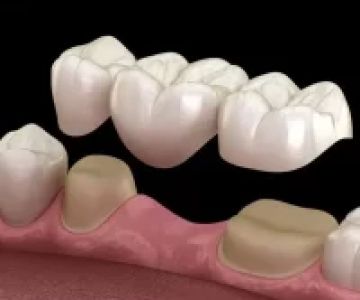
Dental crowns are designed to provide long-lasting protection to damaged teeth, but there are several reasons why a crown might fall off. Understanding these causes can help you take better care of your crowns and prevent future issues:
- Decay under the crown: If the tooth underneath the crown develops decay, it can cause the crown to loosen and eventually fall off.
- Wear and tear: Chewing hard foods, grinding teeth, or trauma to the mouth can wear down the crown or cause it to become loose.
- Improper fitting: If the crown was not fitted properly or the bonding material used wasn’t strong enough, the crown may come off prematurely.
- Age of the crown: Over time, even the best dental crowns can weaken due to normal wear and tear.
Whatever the cause, it's important to act quickly if your dental crown falls off to prevent further damage to the tooth and ensure proper restoration.
2. Steps to Take When Your Dental Crown Falls Off
When your dental crown falls off, it’s essential to stay calm and follow a few important steps to ensure you don’t cause any further harm to the tooth or surrounding gums:
- Retrieve the crown: If you can find the crown, keep it safe and clean. This will help your dentist reattach it if necessary.
- Clean the tooth: Gently clean the tooth that the crown was covering. Use warm water to rinse off any debris, but avoid using any harsh materials that could damage the tooth.
- Avoid using the tooth: Until the crown is reattached, avoid chewing on that side of your mouth to prevent further damage to the exposed tooth.
- Seal the tooth temporarily: If you’re unable to visit a dentist immediately, you can use over-the-counter dental cement to temporarily seal the crown in place until you get professional help.
These steps can help protect your tooth and prevent discomfort until you’re able to see your dentist.
3. Emergency Dental Care Options for Loose Crowns
If your dental crown falls off outside of regular office hours or you can’t immediately get an appointment with your dentist, there are a few emergency dental care options available:
- Temporary dental bonding: Some dental offices offer emergency services where they can reattach the crown using temporary bonding material to keep it in place until a permanent solution is provided.
- Urgent care dental clinics: Many areas have urgent care dental clinics that handle dental emergencies, including crown restorations. It’s worth checking if there are any in your area.
- DIY solutions: As a last resort, using dental cement at home can offer a temporary fix, but make sure not to use any other adhesives, as they could damage the tooth or crown further.
Emergency dental care can help keep your tooth protected until you can get the full dental treatment you need.
4. How to Reattach a Dental Crown Yourself (Temporary Fix)
If you can’t get to a dentist right away, you might be able to temporarily reattach the crown yourself using dental cement. Here's how:
- Clean the crown and tooth: Rinse both the crown and the exposed tooth thoroughly with water.
- Apply temporary dental cement: Purchase dental cement from a pharmacy or online. Apply a small amount of the cement inside the crown and gently place it back over the tooth.
- Hold in place: Gently bite down or hold the crown in place for a few minutes to ensure the cement sets.
- Avoid eating on the crown: Do not eat on the tooth until you can see a dentist, and avoid sticky foods that could dislodge the crown.
Remember, this is only a temporary solution. Make sure to visit your dentist as soon as possible for a permanent fix.
5. When to See a Dentist for Crown Repair
Even if you manage to temporarily fix your crown, it’s important to visit your dentist as soon as possible. A dentist can reattach your crown properly and check the health of the underlying tooth. If the tooth has any decay or damage, your dentist may recommend a more comprehensive treatment plan, such as a new crown or root canal.
In some cases, your dentist may need to replace the crown if it is too damaged or worn to be reattached. Don’t delay your visit to ensure your oral health remains intact.
6. Preventing Dental Crowns from Falling Off in the Future
To avoid future crown issues, consider these tips to prolong the life of your dental crown:
- Avoid hard foods: Be cautious when eating hard foods like ice or nuts that can put unnecessary pressure on the crown.
- Wear a mouthguard: If you grind your teeth at night, consider wearing a mouthguard to prevent damage to your crown.
- Regular dental check-ups: Visit your dentist regularly for check-ups to ensure your crown is still secure and your underlying tooth is healthy.
Taking these steps will help you maintain the integrity of your dental crown and keep your smile healthy.
7. Take Action for Your Oral Health: A Plant-Based Approach
If you’re facing a dental crown emergency, it’s essential to act quickly and appropriately. Whether you’re temporarily fixing the crown at home or seeking urgent care, these steps can help prevent further damage and ensure the tooth stays protected until you can see a dentist.
If you’re interested in learning more about dental care products or if you need professional help restoring your crown, visit Dentistry Toothtruth for expert advice and solutions.

 The Dental Center of Jefferson5.0 (132 review)
 Valleywise Community Health Center - Mesa3.0 (252 review)
 Elan Dental - Raleigh5.0 (99 review)
 Star Smiles Orthodontics4.0 (24 review)
 Absolute Dental - Sunset4.0 (726 review)
 Gulf Coast Dental Center1.0 (6 review)
 The Importance of Oral Health Education During Pregnancy for a Healthy Pregnancy
 Best Tips for Brushing Your Teeth Properly for Healthy Gums: Essential Techniques for Oral Health
 Why Skipping Dental Checkups Can Lead to Bigger Oral Health Problems
 Advantages of Porcelain Dental Restorations
 How Can Diabetes Cause Tooth and Gum Problems? Preventing and Managing Oral Health Issues
 Healthy Habits for Promoting Good Oral Health and Hygiene: Tips for a Healthy Smile