
What to Do If Your Child Has a Toothache
- Understanding Toothaches in Children
- Common Causes of Toothaches in Kids
- Immediate Steps to Take When Your Child Has a Toothache
- When to Seek Professional Dental Care
- Preventing Toothaches in Children
Understanding Toothaches in Children
When your child complains of a toothache, it can be distressing for both you and them. Toothaches in children are common and can occur for a variety of reasons, from cavities to gum inflammation. Understanding what could be causing the pain is the first step in determining how to relieve it and prevent it from coming back. While many toothaches are not emergencies, some can signal more serious issues that require professional attention.
If your child is experiencing a toothache, the best approach is to stay calm and figure out the cause of the pain. With proper care and attention, you can often help alleviate their discomfort until you can get them to the dentist for a more thorough examination and treatment.
Common Causes of Toothaches in Kids
There are several potential causes for toothaches in children, some of which can be easily managed at home. Here are the most common reasons your child might be experiencing tooth pain:
1. Cavities
One of the most frequent causes of toothaches in children is cavities. If your child has been consuming sugary snacks or drinks, the sugars can lead to the formation of cavities, which can result in pain. Cavities cause the enamel of the teeth to break down, leading to discomfort, especially when chewing or drinking something cold or hot.
2. Gum Inflammation
Gum issues such as gingivitis or inflammation caused by poor oral hygiene can also result in tooth pain. Inflammation of the gums around the teeth can cause discomfort, especially when your child brushes or eats. Ensuring your child brushes their teeth regularly and flosses can help prevent gum problems.
3. Teething (for Younger Children)
For younger children who are still in the teething stage, discomfort is a natural part of the process. As their baby teeth emerge, they can experience soreness and irritation in their gums. This typically happens between 6 months and 3 years of age and is usually temporary.
4. Tooth Sensitivity
Some children may have sensitive teeth, which can cause pain when consuming cold, hot, or sweet foods. Tooth sensitivity can result from thin enamel or other factors like overbrushing or a diet high in acidic foods.
Immediate Steps to Take When Your Child Has a Toothache
If your child is complaining of tooth pain, there are several steps you can take at home to provide immediate relief:
1. Rinse with Saltwater
One of the easiest ways to soothe a toothache is by having your child rinse their mouth with warm saltwater. Saltwater has natural antibacterial properties that can help reduce swelling and clean the affected area. Mix half a teaspoon of salt in a glass of warm water and have your child swish it around for 30 seconds before spitting it out. This can be done several times a day to ease discomfort.
2. Apply a Cold Compress
For pain and swelling, apply a cold compress to the outside of your child's cheek near the affected tooth. This can help numb the area and reduce inflammation. Be sure to wrap the ice pack in a cloth to avoid direct contact with the skin, which can cause frostbite. Apply the compress for 15-20 minutes at a time, with breaks in between.
3. Over-the-Counter Pain Relief
If the pain is severe, you can give your child over-the-counter pain relief medication such as ibuprofen or acetaminophen. Be sure to follow the correct dosage instructions for your child's age and weight. These medications can help manage pain and reduce inflammation until you can seek professional dental care.
4. Avoid Certain Foods
To avoid aggravating the pain, try to keep your child away from foods that are too hot, cold, or sweet. Soft, lukewarm foods are ideal, as they will not irritate the sore tooth.
When to Seek Professional Dental Care
While many toothaches can be managed at home, there are times when it’s important to seek professional help. If your child experiences any of the following, it’s time to visit the dentist:
- The pain persists for more than a day or becomes more severe.
- You notice swelling in the face or near the jaw.
- There’s a fever accompanying the toothache.
- Your child has difficulty swallowing or breathing.
- A tooth is visibly chipped, cracked, or knocked out.
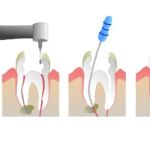
Professional dental care can identify the root cause of the pain, whether it’s a cavity, infection, or another issue. Your dentist may recommend fillings, a root canal, or other treatments to restore your child's oral health and relieve their discomfort.
Preventing Toothaches in Children
Preventing toothaches in children starts with good oral hygiene practices. Here are some tips to help keep your child's teeth healthy and pain-free:
- Encourage your child to brush their teeth twice a day with fluoride toothpaste.
- Make sure they floss daily to remove food particles between the teeth.
- Limit sugary foods and drinks, which contribute to cavities and tooth decay.
- Visit the dentist regularly for check-ups and cleanings.
- Consider using a mouthguard if your child plays contact sports.
By following these preventive measures, you can help ensure that your child maintains a healthy, pain-free smile. For dental care products that support healthy teeth, visit Dentistry Toothtruth for expert recommendations and quality products.






 Camp Smile Pediatric Dentistry & Orthodontics4.0 (554 review)
 Coastal Family Dental5.0 (379 review)
 Yonkers Dental Implants Center4.0 (63 review)
 Mundelein Dental Center3.0 (8 review)
 Conway & Sardina4.0 (66 review)
 SoCO Smiles Orthodontics4.0 (187 review)
 The Importance of Oral Health Education During Pregnancy for a Healthy Pregnancy
 Best Tips for Brushing Your Teeth Properly for Healthy Gums: Essential Techniques for Oral Health
 Why Skipping Dental Checkups Can Lead to Bigger Oral Health Problems
 Advantages of Porcelain Dental Restorations
 How Can Diabetes Cause Tooth and Gum Problems? Preventing and Managing Oral Health Issues
 Healthy Habits for Promoting Good Oral Health and Hygiene: Tips for a Healthy Smile