
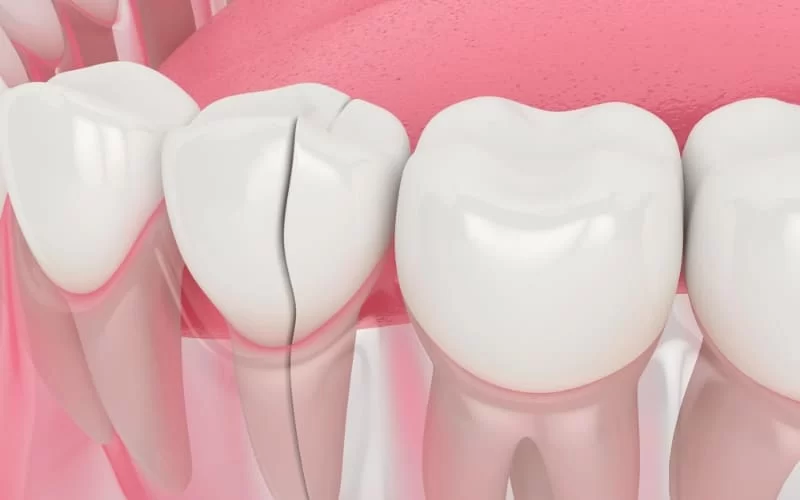
1. Initial Action for a Cracked or Chipped Tooth
Experiencing a cracked or chipped tooth can be alarming. The first thing you should do is stay calm and assess the severity of the damage. If the crack is deep or there’s noticeable pain, you may need emergency dental care. However, if the chip is minor and there’s no pain, rinsing your mouth with warm water and avoiding any hard foods will help prevent further damage.
For those dealing with pain or exposed nerves, placing a cold compress on the outside of your cheek can help alleviate discomfort until you can seek professional treatment. If the fracture has caused a jagged edge, you can use dental wax to cover it and avoid injury to your gums.
2. Common Causes of Cracked and Chipped Teeth
Understanding why teeth crack or chip can help you prevent future incidents. Common causes include:
- Accidents: Falling or trauma to the mouth can easily result in tooth damage.
- Chewing Hard Foods: Hard candy, ice, or even chewing on a pen can cause your tooth to crack.
- Grinding Teeth: Bruxism, or teeth grinding, can weaken teeth over time, making them more susceptible to cracking.
- Decay: Cavities and untreated dental issues can weaken the tooth structure, leading to chips or fractures.
3. Treatment Options for Cracked or Chipped Teeth
Once you’ve taken initial steps to manage the situation, it’s time to consider treatment options. Depending on the severity of the crack or chip, your dentist may recommend one of the following treatments:
- Bonding: For minor chips, a composite resin can be applied to restore the tooth's shape.
- Crowns: If the crack is deep or large, a crown may be necessary to protect the tooth from further damage.
- Root Canal: For a cracked tooth that has affected the nerve, a root canal may be required to save the tooth.
- Extraction: In severe cases where the tooth is beyond repair, extraction might be the only option, followed by a dental implant or bridge.
4. Preventive Care and Long-Term Solutions
Preventing cracks and chips is possible with the right care. Consider incorporating the following habits into your routine:
- Use a Mouthguard: If you participate in contact sports, always wear a mouthguard to protect your teeth from impact.
- Avoid Chewing Hard Objects: Refrain from chewing on ice, hard candy, or non-food items that could damage your teeth.
- Regular Dental Visits: Consistent checkups help catch issues like decay early, preventing weakening of the tooth structure.
5. When to See a Dentist for a Cracked or Chipped Tooth
If you suspect your tooth has cracked or chipped, it’s essential to see a dentist as soon as possible. Even small cracks can lead to significant issues if left untreated, such as infection or further fracturing. Don’t wait until the problem worsens; prompt dental attention can save your tooth and prevent costly treatments down the road.
At Dentistry Toothtruth, we offer expert advice and treatments to help you with all dental emergencies. Whether you’re dealing with a cracked or chipped tooth, our team is here to assist you every step of the way.






 Matawan Dental Galleria5.0 (307 review)
 Neptune Dental Care4.0 (529 review)
 Gig Harbor Orthodontics5.0 (143 review)
 Chapman Implant & Comprehensive Dentistry5.0 (254 review)
 Laurie Gormley DDS3.0 (6 review)
 Gentle Family Dentistry5.0 (60 review)
 The Importance of Oral Health Education During Pregnancy for a Healthy Pregnancy
 Best Tips for Brushing Your Teeth Properly for Healthy Gums: Essential Techniques for Oral Health
 Why Skipping Dental Checkups Can Lead to Bigger Oral Health Problems
 Advantages of Porcelain Dental Restorations
 How Can Diabetes Cause Tooth and Gum Problems? Preventing and Managing Oral Health Issues
 Healthy Habits for Promoting Good Oral Health and Hygiene: Tips for a Healthy Smile