
What Surveillance System is Utilized to Track Oral Disease?
Oral diseases, such as cavities, gum disease, and oral cancers, are not only prevalent but can also have significant impacts on overall health if left untreated. Detecting and tracking these diseases early is key to preventing severe complications. So, how do modern systems track oral diseases? In this article, we will explore the advanced surveillance systems used by dental professionals to monitor oral health, discuss the importance of early detection, and highlight the innovative tools and technologies that help in the fight against dental diseases.
1. The Growing Need for Oral Disease Surveillance
Oral diseases are a leading cause of health issues worldwide, with millions of people affected every year. According to the World Health Organization (WHO), untreated dental diseases can lead to more serious conditions, including heart disease, diabetes, and respiratory infections. In fact, oral disease is considered a significant public health concern. Early detection and monitoring of these conditions are crucial for timely intervention and to prevent long-term damage.
While routine dental check-ups remain the foundation of oral disease prevention, the advent of advanced surveillance systems has revolutionized how dental professionals monitor oral health. These systems allow for the ongoing tracking of a patient’s dental status, providing valuable data to identify potential issues before they progress into more severe conditions.
2. Surveillance Systems in Modern Dentistry
The integration of digital technology into dental practice has paved the way for sophisticated surveillance systems that track oral health. These systems involve a combination of tools, software, and imaging techniques to monitor various aspects of oral hygiene and disease. Let's dive into some of the key systems and technologies being used in modern dentistry.
2.1 Intraoral Cameras
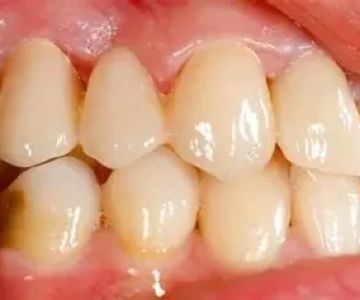
One of the most widely used tools in dental surveillance is the intraoral camera. These small, handheld devices are designed to capture high-resolution images of the inside of the mouth. Intraoral cameras provide a detailed view of areas that are hard to see with the naked eye, such as the back molars and gums. These cameras can be used during routine check-ups to detect early signs of cavities, gum disease, and oral cancers.
Moreover, intraoral cameras are instrumental in monitoring the progress of ongoing treatments, such as fillings and gum therapy. The real-time image capture allows for accurate record-keeping and a visual representation of a patient's oral health over time.
2.2 Digital X-rays
Digital radiography, or digital X-rays, has replaced traditional X-ray films in many dental practices due to its superior image quality, reduced radiation exposure, and faster results. These advanced X-ray systems help dental professionals detect a wide range of oral diseases, including cavities, bone loss, and infected roots. By using digital sensors, dentists can view clear and detailed images almost instantly on a computer screen.
With digital X-rays, tracking changes over time is easier. Dentists can compare current images to previous ones to assess the progression of dental issues, allowing for earlier interventions and more accurate diagnoses.
2.3 Artificial Intelligence and Machine Learning
Artificial Intelligence (AI) is making waves in the dental world, especially when it comes to surveillance and disease tracking. AI systems can analyze dental X-rays, intraoral camera images, and even photographs to detect signs of oral diseases that may be missed by the human eye. These technologies are designed to identify patterns, helping dentists to diagnose conditions earlier and more accurately.
Machine learning algorithms can be used to track a patient's oral health history, predict future issues, and recommend personalized treatment plans. AI-powered systems are becoming an essential tool in the prevention and early detection of oral diseases, especially in cases where human error could lead to misdiagnosis.
2.4 Saliva Testing and Biomarker Monitoring
Saliva contains biomarkers that can indicate the presence of oral diseases, including bacterial infections, gum disease, and even systemic conditions that manifest in the mouth. Modern surveillance systems are now utilizing saliva testing to track a patient's oral health. These tests can detect specific proteins or bacteria that contribute to oral diseases.
Saliva testing is non-invasive and can provide valuable insights into a person’s oral hygiene habits and the potential risk for diseases like cavities or periodontal disease. Some systems offer saliva-based home testing kits, which can track disease progression between dental visits and help patients stay proactive about their oral care.
2.5 Teledentistry and Remote Monitoring
Teledentistry has emerged as a convenient solution for dental care, especially for those who are unable to visit a dentist regularly. Remote monitoring systems allow dental professionals to track a patient’s oral health remotely using digital tools. For instance, patients can take photos of their teeth, upload them to a secure platform, and receive feedback from their dentist on any potential concerns.
These systems are particularly useful for patients who live in rural areas or those with limited access to dental care. Additionally, teledentistry allows for continuous monitoring of conditions such as braces, implants, and post-surgical recovery.
3. The Role of Patient Data in Oral Disease Tracking
Another key aspect of surveillance systems is the collection and analysis of patient data. Patient data, including oral health history, lifestyle factors, and treatment records, can be stored and analyzed over time to detect patterns. For example, monitoring changes in gum health or tooth sensitivity over multiple visits can reveal early signs of problems like gum disease or tooth decay.
By tracking data over time, dentists can customize treatment plans and recommend lifestyle changes, such as dietary adjustments or improved oral hygiene habits, to prevent oral diseases. This data-driven approach enables more personalized care and better health outcomes for patients.
4. The Future of Oral Disease Surveillance
The future of oral disease surveillance looks incredibly promising. As technology continues to evolve, we can expect even more advanced tools that will make it easier for dental professionals to detect and monitor diseases in their early stages. The integration of AI, telemedicine, and real-time data analytics is setting the stage for a more connected, patient-centered approach to dental care.
In the coming years, we may also see more widespread use of wearable devices that can monitor oral health continuously, even outside of the dental office. These devices could track habits like teeth grinding, provide reminders for brushing, or even detect early signs of gum inflammation.
As these technologies continue to develop, dental professionals and patients alike will benefit from better disease detection, more personalized treatments, and overall improved oral health.
For more information on how to maintain optimal oral health and prevent oral diseases, visit Family Dentistry Online for the best recommendations and services to fit your needs.

 Dr. David's Family Dentistry & Orthodontics4.0 (267 review)
 Foothill Family Dentistry4.0 (41 review)
 Pulido Dental Care4.0 (23 review)
 Red Oak Dentistry: Dr. Michael King4.0 (74 review)
 A C Dental2.0 (35 review)
 Dr. Surya Bhavaraju0.0 (0 review)
 The Importance of Oral Health Education During Pregnancy for a Healthy Pregnancy
 Best Tips for Brushing Your Teeth Properly for Healthy Gums: Essential Techniques for Oral Health
 Why Skipping Dental Checkups Can Lead to Bigger Oral Health Problems
 Advantages of Porcelain Dental Restorations
 How Can Diabetes Cause Tooth and Gum Problems? Preventing and Managing Oral Health Issues
 Healthy Habits for Promoting Good Oral Health and Hygiene: Tips for a Healthy Smile