
What Sexual Diseases Can You Get From Oral Sex? A Comprehensive Guide
Oral sex is often considered a safer alternative to other forms of sexual activity. However, just like vaginal and anal sex, oral sex can also carry risks of transmitting sexually transmitted infections (STIs). These infections can affect both the mouth and the genital area. In this article, we will explore the various sexual diseases that can be transmitted through oral sex, how to reduce the risks, and what steps you can take to protect yourself and your partner.
1. Understanding Oral Sex and Its Risks
Oral sex involves the stimulation of the genitals using the mouth, lips, or tongue. It can be performed on a partner’s genitals, anus, or even breasts. While many believe oral sex to be lower-risk compared to penetrative sex, it is important to understand that oral sex can still expose you to several types of infections. STIs can be transmitted through contact with bodily fluids such as semen, vaginal fluids, or blood, as well as through direct contact with infected skin or mucous membranes in the mouth and throat.
Like any sexual activity, it is essential to understand the risks and take precautions to avoid transmitting or contracting infections. If you or your partner have any symptoms such as sores, unusual discharge, or pain, it is crucial to seek medical advice before engaging in oral sex.
2. Common Sexually Transmitted Infections from Oral Sex
While not everyone who practices oral sex will contract an STI, it is important to be aware of the following diseases that can be transmitted through this activity:
- Herpes Simplex Virus (HSV): Herpes is one of the most common infections that can be transmitted through oral sex. Oral herpes (HSV-1) can cause cold sores around the mouth, while genital herpes (HSV-2) can cause sores in the genital area. HSV-1 can be spread to the genital area through oral-genital contact, leading to genital herpes.
- Human Papillomavirus (HPV): HPV is a group of more than 100 viruses, some of which are linked to oral cancers, especially cancers of the throat, tongue, and tonsils. HPV can be transmitted through oral sex, and certain strains of the virus can increase the risk of developing cancer later in life.
- Gonorrhea: Gonorrhea is a bacterial infection that can infect the throat, eyes, genitals, and anus. Oral gonorrhea can be contracted from giving oral sex to an infected partner, and it often presents with symptoms such as a sore throat, difficulty swallowing, or swollen lymph nodes.
- Chlamydia: While chlamydia is commonly associated with genital infections, it can also be transmitted through oral sex. Oral chlamydia can cause sore throats, but many people may not experience symptoms. It can still lead to serious health issues if left untreated, including infertility.
- Syphilis: Syphilis can be transmitted through oral sex, especially if there are open sores or lesions on the lips, mouth, or genital areas. The first symptom of syphilis is typically a painless sore or ulcer, and it can spread to the genital area or other parts of the body if not treated properly.
- HIV: Though less common through oral sex than through vaginal or anal sex, HIV can still be transmitted if there are open sores, cuts, or bleeding gums in the mouth. HIV is transmitted through bodily fluids, including semen, vaginal fluids, and blood, making oral sex a potential risk for transmission.
- Hepatitis B and Hepatitis C: Hepatitis B is a viral infection that affects the liver and can be transmitted through oral sex if there is contact with infected bodily fluids. Hepatitis C is less commonly transmitted through oral sex but can still be a risk if there are open sores in the mouth or bleeding gums.
3. Symptoms of STIs That Can Be Spread Through Oral Sex
It is important to be aware of symptoms that may indicate an STI has been contracted. While some STIs may be asymptomatic, others can cause noticeable symptoms. Here are some common signs to watch for:
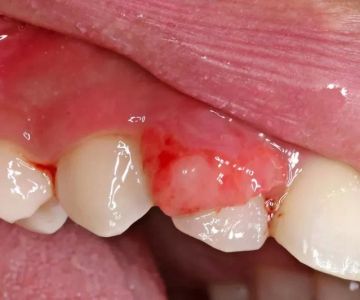
- Red or white sores or blisters in or around the mouth
- Pain or discomfort while swallowing
- Sore throat or swollen glands in the neck
- Unusual discharge from the mouth or genital area
- Painful urination or genital irritation
- Itching or discomfort around the mouth or genital area
If you experience any of these symptoms, it's important to seek medical advice for testing and appropriate treatment. Early detection and treatment can help prevent complications and further transmission.
4. How to Protect Yourself and Your Partner
While the risks of contracting STIs through oral sex are real, there are several precautions you can take to reduce the likelihood of transmission:
- Use Barriers: The most effective way to reduce the risk of STI transmission during oral sex is to use barriers like condoms and dental dams. These can protect both the mouth and the genital areas from direct contact with infected fluids.
- Avoid Oral Sex During Outbreaks: If you or your partner have visible sores or blisters, especially around the mouth or genital area, avoid oral sex until the symptoms are fully healed.
- Get Tested Regularly: Regular STI testing is crucial, especially if you have multiple partners. This can help detect infections early, even before symptoms appear, and allow for prompt treatment.
- Practice Good Oral Hygiene: Keeping your mouth healthy can reduce the likelihood of contracting infections. Brushing and flossing regularly can help prevent bleeding gums, which could increase the risk of STI transmission.
- Communicate with Your Partner: Open and honest communication with your sexual partner is key. Discuss your sexual health and STI testing history before engaging in oral sex to ensure both parties are informed and comfortable.
5. Real-Life Cases and Lessons
Consider the story of Jake and Emily, who enjoyed a healthy, active relationship. Jake had been unaware that he was carrying oral herpes (HSV-1) until he had a cold sore during oral sex. Emily, unfortunately, contracted HSV-1 on her genital area, which led to an outbreak. Despite the discomfort, they were able to treat the condition early and communicate openly about preventing future outbreaks. This situation highlights the importance of being aware of STI risks, even in seemingly low-risk sexual activities like oral sex.
Similarly, many individuals find out that they have contracted chlamydia or gonorrhea after receiving oral sex. These infections often go undiagnosed because they are not accompanied by obvious symptoms, making regular testing even more essential.
6. Conclusion
Oral sex is a common and enjoyable part of many sexual relationships, but it comes with its own set of risks. Understanding which sexually transmitted infections can be passed through oral sex, recognizing the symptoms, and taking the right precautions can help you protect your health and the health of your partner. By practicing safe sex and maintaining open communication with your partner, you can reduce your risk of contracting or transmitting STIs.
If you're concerned about your sexual health or need more information about preventing STIs, consider visiting Family Dentistry Online for expert advice and helpful resources.




 Dr. Shaifali Rametra, DDS / MS / MBA / MOLAR TO MOLAR DENTISTRY3.0 (26 review)
 Buzbee Dental4.0 (225 review)
 Mirage Dental Care - Dr. Empaljit Singh Gill5.0 (96 review)
 Henry J. Austin Health Center at Ewing Street3.0 (33 review)
 Dr. William H. Smythe, DMD5.0 (281 review)
 Angela Manning DDS PC4.0 (66 review)
 The Importance of Oral Health Education During Pregnancy for a Healthy Pregnancy
 Best Tips for Brushing Your Teeth Properly for Healthy Gums: Essential Techniques for Oral Health
 Why Skipping Dental Checkups Can Lead to Bigger Oral Health Problems
 Advantages of Porcelain Dental Restorations
 How Can Diabetes Cause Tooth and Gum Problems? Preventing and Managing Oral Health Issues
 Healthy Habits for Promoting Good Oral Health and Hygiene: Tips for a Healthy Smile