
What’s the Best Oral Hygiene Routine for Long-Term Dental Health
When it comes to oral care, consistency matters more than anything else. Developing and maintaining the best oral hygiene routine not only helps you keep your smile bright but also protects you from gum disease, cavities, and even more serious health conditions. Many people underestimate how oral health connects to overall well-being, but research shows that conditions like heart disease and diabetes often have links to poor dental care. By following a structured daily routine, you can protect yourself from painful dental problems while enjoying fresh breath and strong teeth.
1. The Foundation of Daily Brushing
Choosing the Right Toothbrush
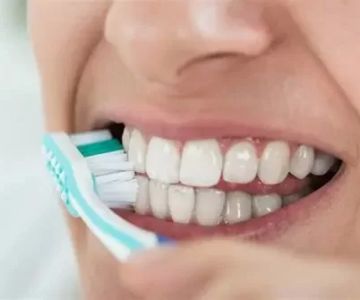
Brushing at least twice a day remains the cornerstone of oral hygiene. Dentists often recommend a soft-bristled brush to avoid damaging gums, while electric toothbrushes can offer more effective plaque removal. In the U.S., many families find switching to electric brushes helps children stay engaged with their oral care routine, turning what used to feel like a chore into an activity they look forward to.
Brushing Technique and Timing
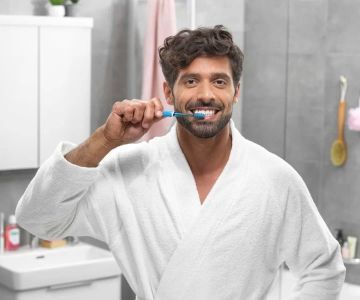
Brushing should last a full two minutes, focusing on every tooth surface and the gumline. Short, gentle circular motions are best to clean effectively without causing enamel erosion. A common mistake many people make is brushing too aggressively, which can wear down enamel and lead to sensitivity. To make it part of your routine, try brushing after breakfast and before bed—two moments that naturally anchor the habit into your day.
2. The Often Overlooked Role of Flossing
Why Flossing Matters
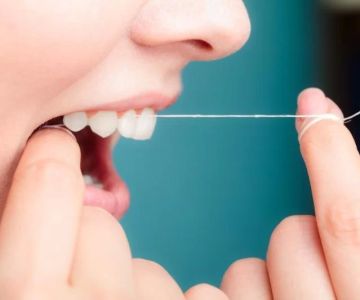
Even with perfect brushing, plaque and food particles remain between teeth where brushes can’t reach. Flossing at least once a day helps prevent gum disease and cavities in these hidden spaces. Some people avoid flossing because it feels inconvenient or time-consuming, but studies show that those who incorporate it regularly see significantly healthier gums. Using floss picks or water flossers can make the process easier and more enjoyable, especially for those with dental work or tight spaces between teeth.
A Real Story from a Patient
One patient at a U.S. dental clinic shared how she always brushed twice a day but skipped flossing. By her late thirties, she developed gingivitis, leading to bleeding gums and expensive treatments. After committing to a flossing routine, she noticed less bleeding within weeks and regained confidence in her smile. Her story is a reminder that even small steps like flossing daily can make a big difference in long-term oral health.
3. Mouthwash and Additional Care
Choosing the Right Mouthwash
Mouthwash is not a replacement for brushing and flossing, but it adds another layer of protection. Antibacterial rinses help reduce plaque and freshen breath, while fluoride rinses strengthen enamel. For families, especially those with teenagers, incorporating mouthwash into the nightly routine can reduce the risk of cavities and provide a refreshing finish to daily care. It’s important to choose alcohol-free options to avoid irritation and dryness.
Diet and Lifestyle Impact
What you eat also plays a major role in oral hygiene. Sugary snacks, acidic drinks, and frequent snacking increase the risk of tooth decay. On the other hand, a diet rich in fruits, vegetables, lean proteins, and plenty of water supports healthy teeth and gums. Simple habits, like chewing sugar-free gum after meals, can stimulate saliva flow, which naturally protects your mouth by neutralizing acids and washing away bacteria.
4. Professional Dental Visits
Why Regular Checkups Matter
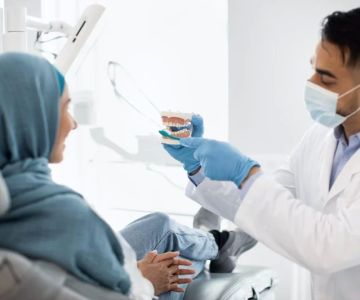
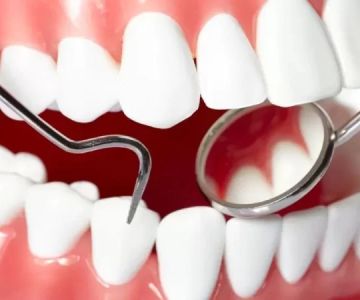
No matter how well you maintain your daily oral hygiene routine, professional cleanings and checkups are essential. Dentists can detect problems like cavities, gum disease, or oral cancer early, when treatment is simpler and more effective. In the U.S., it’s generally recommended to visit your dentist every six months for preventive care. Skipping these visits may save time in the short term, but it often leads to bigger and more expensive problems later.
Partnering with Trusted Dental Services
Families who want to ensure their long-term oral health often benefit from professional support. At Family Dentistry Online, you can explore services that guide you through preventive care, cosmetic improvements, and personalized treatment plans. Having a trusted dental partner makes it easier to stay committed to your oral hygiene routine and enjoy peace of mind that you’re protecting your smile for years to come.
5. Building a Lifelong Routine
Making Oral Hygiene a Habit
Ultimately, the best oral hygiene routine is one you can maintain consistently throughout your life. It’s less about perfection and more about building sustainable habits: brushing twice daily, flossing once, using mouthwash when needed, eating mindfully, and visiting the dentist regularly. Small changes—like upgrading to a better toothbrush, setting reminders, or involving family members in a nightly brushing ritual—help make oral care a natural part of your day rather than a chore. With time, these steps not only improve your dental health but also boost your confidence, helping you smile freely in every aspect of life.

 BellaSmiles Dentistry4.0 (184 review)
 Kennedy Dental Office4.0 (30 review)
 Dr. David Newkirk - Cosmetic and General Dentistry5.0 (31 review)
 Dr. Ilya Lipkin Orthodontics4.0 (178 review)
 Esthetic Dental Care of Collegeville5.0 (56 review)
 Sierra Family Dentistry4.0 (17 review)
 The Importance of Oral Health Education During Pregnancy for a Healthy Pregnancy
 Best Tips for Brushing Your Teeth Properly for Healthy Gums: Essential Techniques for Oral Health
 Why Skipping Dental Checkups Can Lead to Bigger Oral Health Problems
 Advantages of Porcelain Dental Restorations
 How Can Diabetes Cause Tooth and Gum Problems? Preventing and Managing Oral Health Issues
 Healthy Habits for Promoting Good Oral Health and Hygiene: Tips for a Healthy Smile