
Understanding What’s Good Oral Hygiene and Why It Matters
Good oral hygiene is more than just a routine; it’s the foundation for a healthy smile and overall wellness. In the United States, where sugary diets and busy lifestyles are common, maintaining proper dental care is vital to prevent issues such as cavities, gum disease, and bad breath. But what exactly constitutes good oral hygiene? It involves a combination of effective brushing, flossing, regular dental checkups, and lifestyle habits that protect your teeth and gums from damage and decay.
Research shows that poor oral hygiene can contribute to systemic health problems like heart disease and diabetes, making it all the more important for Americans to pay attention to their dental care routines. Whether you’re a parent teaching your child good habits or an adult trying to improve your oral health, understanding the components of good oral hygiene is essential.
Key Practices for Maintaining Good Oral Hygiene
1. Brushing Techniques That Make a Difference
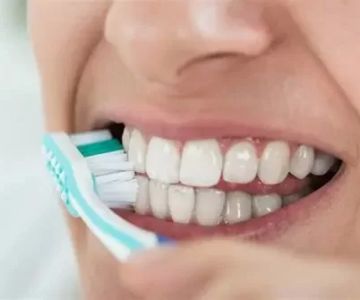
Brushing your teeth at least twice a day using fluoride toothpaste is a cornerstone of good oral hygiene. But not all brushing is equally effective. Using a soft-bristled toothbrush and angling it at 45 degrees toward the gum line helps remove plaque without damaging sensitive gum tissue. Many dental professionals recommend brushing for two full minutes to thoroughly clean all surfaces.
Electric toothbrushes can offer an advantage with their consistent motion and built-in timers. One real-life story from a busy professional, Sarah, highlights this benefit: after switching to an electric brush, she noticed less gum sensitivity and fresher breath, which motivated her to keep a better oral care routine despite her hectic schedule.
2. The Importance of Daily Flossing
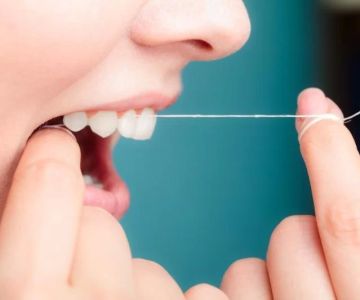
While brushing cleans the teeth’s surfaces, flossing removes plaque and food particles stuck between teeth where toothbrushes can’t reach. Skipping flossing is one of the most common mistakes that lead to gum disease and cavities in hidden areas.
Flossing once daily, ideally before bedtime, keeps your gums healthy and prevents buildup of harmful bacteria. There are various tools to assist, such as traditional floss, floss picks, or water flossers, making the habit accessible for all ages and abilities.
3. Using Mouthwash Correctly
Mouthwash can be a helpful addition to oral hygiene when used properly. It reduces bacteria, freshens breath, and may strengthen enamel if it contains fluoride. However, mouthwash should not replace brushing or flossing but rather complement them.
It’s important to select an alcohol-free mouthwash to avoid drying out the mouth, which can worsen bad breath and cause discomfort. Regular use as part of your oral care routine enhances protection against oral diseases.
The Role of Regular Dental Visits in Oral Hygiene
4. Professional Cleanings and Exams Are Crucial
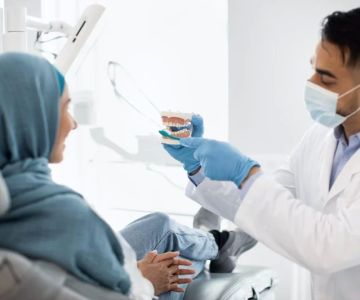
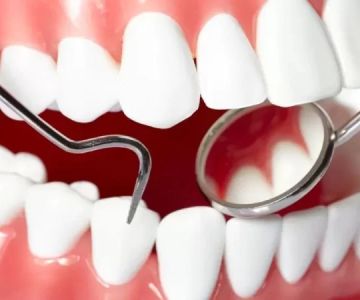
No matter how well you care for your teeth at home, professional dental cleanings every six months are essential. Dentists and hygienists remove tartar buildup, which is hardened plaque that cannot be brushed away. These cleanings prevent the development of cavities and gum disease.
Routine exams also catch issues early, before they become painful or costly to treat. A story shared by Mike, a patient who delayed dental visits, illustrates the risks: after ignoring minor gum bleeding, he developed periodontitis requiring extensive treatment. Regular checkups could have prevented this.
5. Personalized Advice for Your Oral Health
Dentists tailor their recommendations based on your specific needs, whether it’s advice on diet, smoking cessation, or specialized dental care products. For instance, patients prone to dry mouth or sensitive teeth may receive custom solutions that improve comfort and outcomes.
Healthy Lifestyle Habits Supporting Good Oral Hygiene
6. Diet and Hydration Impact Oral Health
Sugary snacks and drinks fuel the bacteria that cause cavities and gum disease. Reducing sugar intake and choosing tooth-friendly foods like fresh vegetables, nuts, and dairy products supports enamel strength. Drinking plenty of water also helps wash away food particles and maintains saliva flow, which naturally protects teeth.
7. Avoiding Harmful Habits
Smoking and excessive alcohol consumption are major risk factors for poor oral health. They increase the likelihood of gum disease, oral cancers, and tooth loss. Quitting smoking improves gum health dramatically, and moderating alcohol intake can reduce harmful effects on oral tissues.
Real-Life Impact of Good Oral Hygiene Practices
Consider the case of Lisa, a mother who struggled with chronic bad breath and sensitive gums until she revamped her oral care routine. By committing to daily flossing, proper brushing, and regular dentist visits, she not only resolved these issues but also gained renewed confidence in social situations.
Stories like Lisa’s highlight that good oral hygiene isn’t just about teeth; it influences quality of life, relationships, and overall well-being.
Accessing Quality Oral Hygiene Resources and Care
For Americans seeking trusted advice, products, and dental services, Dentistry Toothtruth offers comprehensive recommendations. Whether you need expert tips on oral hygiene techniques or connections to dental professionals, this resource supports your journey to a healthier smile.
Taking control of your oral health today with good oral hygiene practices can prevent many common dental problems tomorrow. It’s never too late to start caring better for your teeth and gums.


 Lakewood Pediatric Dental PA: Dierna George DDS2.0 (37 review)
 Metro Smiles Gage Park2.0 (36 review)
 Dr. Dental: Dentistry & Braces4.0 (711 review)
 Jiangyun Sheng, DMD0.0 (0 review)
 South River Dental- Clint Kroeker DDS5.0 (12 review)
 UCLA Venice Dental Center3.0 (41 review)
 The Importance of Oral Health Education During Pregnancy for a Healthy Pregnancy
 Best Tips for Brushing Your Teeth Properly for Healthy Gums: Essential Techniques for Oral Health
 Why Skipping Dental Checkups Can Lead to Bigger Oral Health Problems
 Advantages of Porcelain Dental Restorations
 How Can Diabetes Cause Tooth and Gum Problems? Preventing and Managing Oral Health Issues
 Healthy Habits for Promoting Good Oral Health and Hygiene: Tips for a Healthy Smile