
What Oral Hygiene Is and How to Maintain It for a Healthy Smile
1. Understanding the Importance of Oral Hygiene
Oral hygiene refers to the practice of maintaining clean and healthy teeth, gums, and mouth. The goal of oral hygiene is to prevent dental issues such as cavities, gum disease, and bad breath while ensuring the overall well-being of your teeth and gums. It’s not just about having a bright smile but also about reducing the risk of serious health issues that can arise from poor oral hygiene.
In recent years, research has shown that poor oral hygiene is linked to a number of health problems beyond the mouth, including heart disease, diabetes, and even strokes. Maintaining good oral hygiene is crucial for avoiding these risks and ensuring overall health. So, what exactly does proper oral hygiene entail? Let’s take a closer look.
2. The Basics of Good Oral Hygiene
Good oral hygiene involves daily practices that clean your teeth and gums, removing plaque and food particles that can lead to tooth decay and gum disease. Here’s what you should be doing every day:
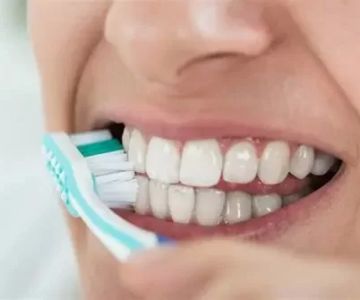
- Brushing: Brushing your teeth twice a day with fluoride toothpaste is one of the most important steps in oral hygiene. Make sure you use a soft-bristled toothbrush and brush for at least two minutes, paying attention to all surfaces of your teeth.
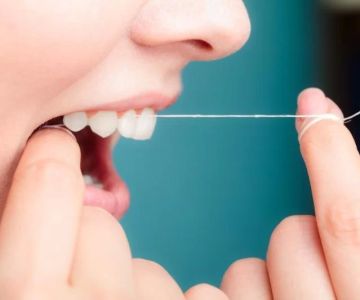
- Flossing: Flossing helps remove food particles and plaque between your teeth and along the gum line, areas that your toothbrush may miss. Flossing once a day is essential for maintaining good oral hygiene.
- Mouthwash: Using mouthwash after brushing and flossing can help kill bacteria, freshen your breath, and provide additional protection against cavities and gum disease.
3. The Role of Diet in Oral Hygiene
What you eat plays a major role in your oral health. A diet rich in fruits, vegetables, and dairy products can contribute to stronger teeth and gums. On the other hand, sugary and acidic foods can contribute to tooth decay and erosion. Here are some dietary tips to promote healthy teeth:
- Avoid Sugary Foods: Sugary foods feed the harmful bacteria in your mouth, leading to plaque buildup and tooth decay. Limit sweets and sugary drinks like sodas and juices.
- Eat Calcium-Rich Foods: Foods like milk, cheese, and leafy greens are rich in calcium, which helps strengthen tooth enamel.
- Drink Water: Drinking plenty of water, especially after meals, helps rinse away food particles and bacteria, keeping your mouth cleaner.
4. Common Oral Hygiene Problems and How to Solve Them
Despite your best efforts, oral hygiene problems can still arise. Here are some common issues and tips on how to address them:
- Cavities: Cavities occur when bacteria in the mouth break down food particles and sugar, creating acids that erode tooth enamel. To prevent cavities, make sure to brush, floss, and visit your dentist regularly for checkups and cleanings.
- Gum Disease: Gum disease starts with inflammation and can progress to a serious infection if left untreated. The best way to prevent gum disease is by brushing and flossing daily and visiting your dentist for regular cleanings.
- Bad Breath: Bad breath, also known as halitosis, can be caused by poor oral hygiene, dry mouth, or certain foods. Maintaining proper brushing and flossing habits, along with using mouthwash, can help combat bad breath.
5. A Story of How Oral Hygiene Saved a Life
While oral hygiene is often overlooked, its importance can’t be overstated. I once had a patient who ignored the need for regular brushing and flossing for years. Eventually, they developed severe gum disease, which led to a dangerous infection in the mouth. This infection spread into their bloodstream, causing serious health complications. After undergoing extensive treatment, the patient learned a valuable lesson: oral hygiene isn’t just about keeping your teeth clean – it’s about preserving your overall health.
This story is a reminder of why oral hygiene should be taken seriously. What may seem like a simple task of brushing your teeth twice a day can prevent much bigger health issues down the road.
6. Regular Dental Visits: The Key to Long-Term Oral Health
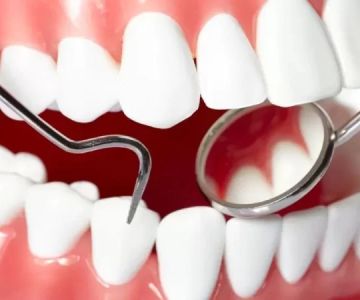
Even with the best at-home oral care, it’s important to visit your dentist regularly for professional cleanings and checkups. Dentists are able to detect early signs of problems that you may not notice, such as cavities or gum disease. Regular dental visits are an essential part of maintaining long-term oral health and can help prevent issues from becoming more serious.
During your visit, your dentist will not only clean your teeth but also examine your mouth for any potential issues. Early detection of problems can save you time, money, and discomfort in the future.
7. The Importance of Teaching Kids Good Oral Hygiene Habits
Good oral hygiene habits should start at an early age. Teaching children to brush and floss daily, as well as to eat a balanced diet, can set the foundation for a lifetime of healthy teeth and gums. It’s essential to make brushing and flossing a fun and rewarding experience for kids to encourage lifelong habits.
By starting with good habits early on, you can help your child avoid the common oral problems that affect so many people later in life. A healthy mouth not only boosts self-esteem but also contributes to better overall health as they grow older.
8. How to Choose the Right Oral Care Products
With so many products on the market, choosing the right toothbrush, toothpaste, and mouthwash can be overwhelming. Here’s a simple guide:
- Toothbrush: Choose a soft-bristled toothbrush that’s gentle on your gums but effective at removing plaque. An electric toothbrush can also be a good option, as it provides a more consistent brushing motion.
- Toothpaste: Look for fluoride toothpaste, as fluoride helps strengthen tooth enamel and prevent cavities. If you have sensitive teeth, consider toothpaste specifically designed for sensitive teeth.
- Mouthwash: Choose a mouthwash that’s antibacterial and contains fluoride for extra protection. Avoid mouthwashes with excessive alcohol, as they can dry out your mouth.
By selecting the right products and using them consistently, you can maintain healthy teeth and gums and prevent many common oral problems.



 Access Health Dental4.0 (280 review)
 Dayspring Pediatric Dentistry4.0 (34 review)
 Dr. Denise M. Henderson, DDS5.0 (221 review)
 Marcellus T. Horsch, DDS4.0 (5 review)
 The Orthodontic Group of Chester County4.0 (71 review)
 Community Health Care Hilltop Family Dental Clinic3.0 (188 review)
 The Importance of Oral Health Education During Pregnancy for a Healthy Pregnancy
 Best Tips for Brushing Your Teeth Properly for Healthy Gums: Essential Techniques for Oral Health
 Why Skipping Dental Checkups Can Lead to Bigger Oral Health Problems
 Advantages of Porcelain Dental Restorations
 How Can Diabetes Cause Tooth and Gum Problems? Preventing and Managing Oral Health Issues
 Healthy Habits for Promoting Good Oral Health and Hygiene: Tips for a Healthy Smile