

1. The Invisible Enemy: How Bacteria Harm Your Mouth
Millions of Americans ask, “What oral diseases are caused by bacteria?” The truth is, nearly every major oral condition begins with bacterial imbalance. Bacteria naturally live in our mouths, but when hygiene is poor or immunity weakens, they can turn hostile. From cavities to gum disease, and even jawbone infections—bacteria are often the root cause.
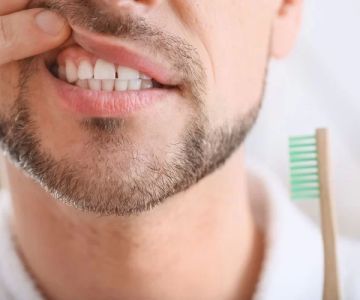
Consider the case of Mark, a warehouse manager from Ohio. He brushed regularly but skipped flossing for years. Eventually, he noticed swelling and bleeding gums. A dental visit revealed advanced periodontitis—an aggressive bacterial infection that had already begun deteriorating his jawbone. His story is a vivid reminder of the damage unchecked bacteria can do.
2. Tooth Decay: The Silent Start of Bacterial Damage
2.1 The Science Behind Cavities
Tooth decay begins when sugars from food feed bacteria like Streptococcus mutans. These bacteria produce acid that erodes enamel, creating small holes in teeth. This process can begin within hours if oral hygiene is poor. Cavities may not cause pain initially, making them easy to ignore—until they reach the inner dentin or pulp, requiring fillings or root canals.
2.2 Who’s at Risk?
Children and teens are particularly vulnerable due to frequent snacking and sugary drinks. But adults aren’t immune—dry mouth, smoking, and poor dental care can trigger decay. According to the CDC, 90% of adults aged 20 and over have had at least one cavity.
3. Gingivitis: The First Stage of Gum Infection
3.1 Bacteria’s Attack on Your Gums
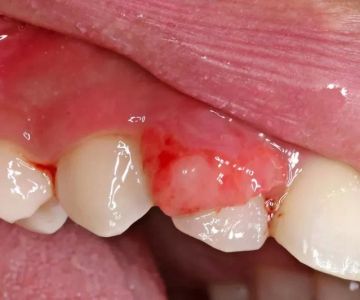
Gingivitis is inflammation of the gums caused by plaque—a sticky film of bacteria. Symptoms include red, swollen, or bleeding gums, especially while brushing. If caught early, gingivitis is reversible. But left untreated, it progresses into something far more serious.
3.2 Teenagers and Gingivitis
Emma, a high school athlete, noticed bleeding gums during training. Her busy schedule led to inconsistent brushing and skipping flossing altogether. A routine checkup uncovered early-stage gingivitis. With daily flossing, proper brushing, and an antiseptic rinse, her symptoms cleared up in weeks. Her story emphasizes the importance of consistency in dental care.
4. Periodontitis: The Severe Outcome of Ignored Bacteria
4.1 From Gums to Bone Loss
Periodontitis is a severe gum infection where bacteria spread below the gumline, damaging tissues and bone. Pockets form between gums and teeth, harboring more bacteria. Left unchecked, this can lead to tooth loss. According to the American Dental Association, nearly 47% of adults over 30 show signs of periodontitis.
4.2 Treatment and Recovery
Treatment involves scaling and root planing—a deep cleaning below the gumline—along with antibiotics and regular maintenance visits. In advanced cases, surgery may be required. Maintaining oral hygiene post-treatment is critical to prevent relapse.
5. Dental Abscesses: When Infection Goes Deep
5.1 How Abscesses Form
An abscess is a pocket of pus caused by bacterial infection in the root of a tooth or between gums and teeth. They often result from untreated decay or trauma. Symptoms include severe pain, swelling, fever, and bad breath. Abscesses can spread infection to the jaw or even the bloodstream if not treated quickly.
5.2 Emergency Situations
In 2022, a Florida man ignored tooth pain for days. The abscess spread rapidly, and he was hospitalized with a bloodstream infection. Emergency oral surgery and IV antibiotics saved him—but the dental bill and trauma were steep. His experience underscores the importance of early care and not dismissing oral pain.
6. Bacterial Stomatitis and Oral Thrush
6.1 Beyond the Teeth and Gums
Stomatitis is inflammation of the mouth’s soft tissues. While viruses and trauma can cause it, bacteria are frequent culprits, especially in those with poor hygiene or weakened immune systems. Similarly, oral thrush—caused by yeast overgrowth—can thrive when bacterial balance in the mouth is disrupted.
6.2 At-Risk Populations
People with dentures, diabetes, or who use inhalers (especially corticosteroids) are more susceptible. Maintaining clean oral appliances, rinsing after medications, and regular dental visits are essential preventive steps.
7. Halitosis: Bad Breath and Bacterial Overgrowth
7.1 It’s More Than Just an Embarrassment
Chronic bad breath (halitosis) is often caused by bacterial buildup on the tongue and between teeth. Volatile sulfur compounds released by bacteria produce unpleasant odors. Regular brushing, tongue scraping, and flossing are key. In persistent cases, a dentist can identify deeper issues like decay or infection.
7.2 Social and Psychological Impact
Beyond hygiene, halitosis can affect confidence and social relationships. A study from NYU found that 67% of respondents with chronic bad breath reported avoiding public speaking or close interactions. Proper oral hygiene and professional guidance restored both health and self-esteem.
8. How to Prevent Bacterial Oral Diseases
8.1 Daily Habits That Defend Your Mouth
Preventing bacterial oral diseases is straightforward:
- Brush twice daily with fluoride toothpaste
- Floss once a day to remove debris between teeth
- Use antiseptic mouthwash to reduce bacterial load
- Replace your toothbrush every 3 months
- Avoid sugary snacks and drinks
- Visit the dentist twice a year for cleanings and exams
8.2 Boosting Oral Health Through Lifestyle
Eat a balanced diet, quit smoking, stay hydrated, and manage stress. These lifestyle choices impact bacterial balance and immune strength. For example, stress reduces saliva flow, which normally helps flush out harmful bacteria. A holistic approach strengthens both your smile and overall well-being.
9. When to Seek Professional Help
9.1 Don’t Wait for the Pain
Most bacterial oral diseases start painlessly. Swollen gums, bleeding when brushing, or persistent bad breath are early signs. Don't wait for pain—seek a dental checkup as soon as you notice these symptoms. Early treatment prevents complications and saves on future costs.
9.2 Custom Solutions for Every Patient
Dentists today offer personalized care plans—from antimicrobial therapy to surgical intervention. With 3D imaging, bacterial testing, and digital modeling, treatments are more effective than ever. If you're looking for expert recommendations, Dentistry Toothtruth offers access to trusted dental professionals across the U.S. ready to help you prevent or manage bacterial oral disease.


 Southill Dental Group5.0 (364 review)
 Dr Angela Mouradian DDS5.0 (10 review)
 Radiance Family Dentistry4.0 (193 review)
 Nano Dentistry4.0 (6 review)
 Children's Dental Associates4.0 (247 review)
 Advance Dental Care4.0 (190 review)
 The Importance of Oral Health Education During Pregnancy for a Healthy Pregnancy
 Best Tips for Brushing Your Teeth Properly for Healthy Gums: Essential Techniques for Oral Health
 Why Skipping Dental Checkups Can Lead to Bigger Oral Health Problems
 Advantages of Porcelain Dental Restorations
 How Can Diabetes Cause Tooth and Gum Problems? Preventing and Managing Oral Health Issues
 Healthy Habits for Promoting Good Oral Health and Hygiene: Tips for a Healthy Smile