
What Is the Purpose of Oral Hygiene?
When people in the United States think about health, oral hygiene often takes a back seat to diet, exercise, and regular medical checkups. Yet the question remains: what is the purpose of oral hygiene? The answer is simple but powerful—it is the foundation for maintaining not only a healthy smile but also overall well-being. Oral hygiene refers to the daily practices of cleaning the mouth, teeth, and gums to prevent disease, discomfort, and future health complications. In 2025, dentists across the U.S. emphasize oral hygiene more than ever, citing its role in preventing gum disease, tooth loss, and even systemic conditions such as heart disease and diabetes. For families seeking reliable dental support, platforms like Family Dentistry Online make it easier to find tailored services that meet their needs.
The Link Between Oral Hygiene and Overall Health
One of the most overlooked aspects of oral care is its connection to general health. Research by the American Dental Association has shown that poor oral hygiene can contribute to serious medical conditions. For example, gum disease allows harmful bacteria to enter the bloodstream, which has been linked to heart disease, respiratory infections, and complications in pregnancy. A real case in Chicago highlighted this issue: a man in his forties neglected regular brushing and flossing for years and developed severe gum disease. Not only did he lose multiple teeth, but he also experienced cardiac problems his doctor believed were related to oral bacteria. This story illustrates why oral hygiene is more than cosmetic—it is a crucial preventative measure for long-term wellness.
Preventing Common Dental Diseases Through Oral Hygiene
The primary purpose of oral hygiene is to prevent common dental problems such as cavities, gingivitis, and periodontitis. Cavities form when plaque builds up and produces acid that erodes enamel. Gingivitis, an early stage of gum disease, causes swelling and bleeding gums. If untreated, it can develop into periodontitis, a severe infection that damages soft tissue and bone. In the U.S., the Centers for Disease Control and Prevention estimate that nearly half of adults over 30 suffer from gum disease. Daily oral hygiene practices like brushing twice a day with fluoride toothpaste, flossing, and using antiseptic mouthwash significantly reduce these risks. Preventative measures not only save individuals from pain and costly dental procedures but also preserve their quality of life well into older age.
The Role of Daily Habits in Oral Hygiene
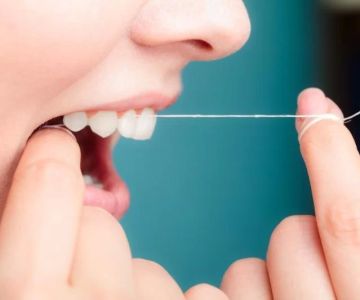
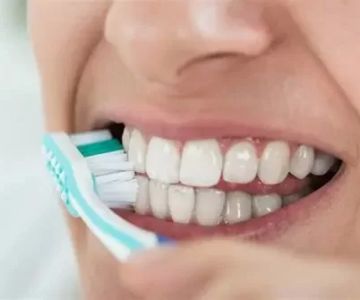
Daily habits are the cornerstone of good oral hygiene. Brushing should last at least two minutes and include every surface of the teeth. Flossing once per day removes plaque and food particles that toothbrushes cannot reach. In addition, limiting sugary snacks and beverages helps prevent cavity-causing bacteria from thriving. Americans are increasingly adopting electric toothbrushes, which studies show can remove more plaque than manual brushes. One family in California reported that switching to electric toothbrushes drastically reduced their children’s cavities during annual dental visits. These small, consistent daily actions add up, making oral hygiene not just a practice but a lifestyle that safeguards health in the long term.
Professional Dental Care and Its Importance
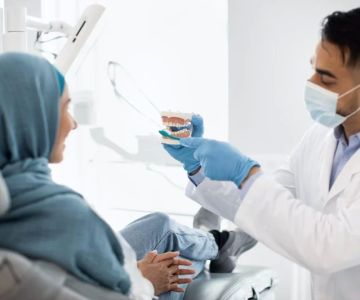
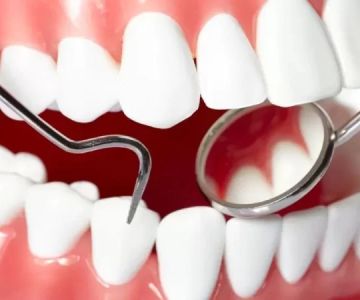
While home care is essential, professional dental visits provide another layer of protection. Dentists recommend checkups every six months to detect problems early and provide thorough cleanings. In many cases, issues like small cavities or early gum inflammation can be treated quickly during a routine visit, saving patients from more complex treatments later. For example, a woman in New York who regularly visited her dentist caught oral cancer in its earliest stage during a routine exam—saving her life. Professional care also includes preventive treatments like fluoride applications and dental sealants, especially for children. Services from trusted providers like Family Dentistry Online ensure that families have access to the right expertise and guidance tailored to their oral health needs.
Oral Hygiene Across Different Life Stages
The purpose of oral hygiene evolves across different stages of life. For children, it is about establishing healthy habits early, preventing cavities, and monitoring the growth of permanent teeth. For teenagers, orthodontic care often requires special attention to cleaning around braces and retainers. Adults must focus on maintaining healthy gums and preventing plaque buildup, while seniors face challenges like dry mouth and tooth loss. Each stage requires customized strategies, but the core purpose—preventing disease and preserving oral health—remains the same. Schools, workplaces, and senior communities in the U.S. are increasingly running educational programs to reinforce the importance of oral hygiene for every age group.
The Psychological and Social Benefits of Oral Hygiene
Beyond physical health, oral hygiene has psychological and social benefits. A bright, healthy smile boosts confidence, improves social interactions, and can even impact career opportunities. In American culture, where first impressions often matter, poor oral hygiene can affect how others perceive an individual. A survey by the American Academy of Cosmetic Dentistry found that 48% of adults said a smile is the most memorable feature when meeting someone new. Stories of individuals regaining confidence after dental care treatments highlight the transformative impact oral hygiene can have. Good oral health not only prevents disease but also fosters self-esteem and overall happiness.
Modern Innovations Supporting Oral Hygiene
Technological advancements are revolutionizing how Americans approach oral hygiene. Smart toothbrushes with Bluetooth technology now track brushing habits and provide real-time feedback. Dental apps remind users when to replace their toothbrush heads or schedule appointments. Innovations such as water flossers and sugar-free gum with xylitol have made it easier to maintain oral health in daily routines. These tools, when combined with professional guidance, empower individuals to take control of their dental care. In 2025, integrating technology into oral hygiene is no longer a luxury but an effective way to ensure consistent and thorough care for the whole family.
Why Oral Hygiene Should Be a Priority in Every Household
Ultimately, the purpose of oral hygiene is to protect health, prevent disease, and enhance quality of life. Every household in the United States should view oral hygiene as a daily necessity, not an afterthought. Neglecting it can lead to costly treatments, serious health complications, and avoidable discomfort. By combining strong daily habits with regular professional care, families can ensure healthy smiles for generations. Platforms like Family Dentistry Online make it easier to access professional recommendations and services that support lifelong oral health. When viewed through this broader lens, oral hygiene is not just about teeth—it is about preserving the foundation of overall well-being.


 Access Health Dental4.0 (280 review)
 Dayspring Pediatric Dentistry4.0 (34 review)
 Dr. Denise M. Henderson, DDS5.0 (221 review)
 Marcellus T. Horsch, DDS4.0 (5 review)
 The Orthodontic Group of Chester County4.0 (71 review)
 Community Health Care Hilltop Family Dental Clinic3.0 (188 review)
 The Importance of Oral Health Education During Pregnancy for a Healthy Pregnancy
 Best Tips for Brushing Your Teeth Properly for Healthy Gums: Essential Techniques for Oral Health
 Why Skipping Dental Checkups Can Lead to Bigger Oral Health Problems
 Advantages of Porcelain Dental Restorations
 How Can Diabetes Cause Tooth and Gum Problems? Preventing and Managing Oral Health Issues
 Healthy Habits for Promoting Good Oral Health and Hygiene: Tips for a Healthy Smile