
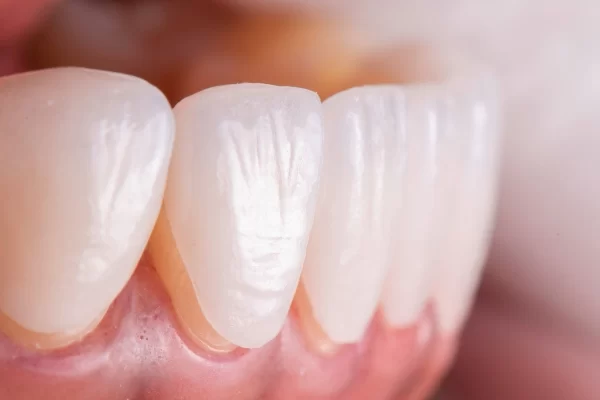
What is the Difference Between a Crown and a Veneer? A Comprehensive Guide to Dental Treatments
- 1. Introduction: Understanding Crowns and Veneers
- 2. What is a Dental Crown?
- 3. What is a Dental Veneer?
- 4. Dental Crowns vs Veneers: Key Differences
- 5. How to Choose Between a Crown and a Veneer
- 6. Conclusion: Which Option is Right for You?
1. Introduction: Understanding Crowns and Veneers
When it comes to cosmetic dental treatments, crowns and veneers are two of the most popular options for improving the appearance and function of your teeth. However, many patients are often unsure about the difference between the two and which option is best suited for their needs. Both crowns and veneers can transform your smile, but they serve different purposes and are used for specific dental concerns.
2. What is a Dental Crown?
A dental crown is a cap that covers the entire tooth to restore its shape, size, strength, and appearance. Crowns are typically used when a tooth is severely damaged or decayed and needs more coverage than a filling can provide. They are also used after a root canal treatment to protect a weakened tooth from further damage.
Crowns are made from various materials, including porcelain, metal, or a combination of both. Porcelain crowns are often preferred for their natural appearance, as they closely resemble the color and translucency of natural teeth. The process of getting a crown involves removing some of the tooth structure to ensure a proper fit, and the crown is custom-made to match the size and shape of your natural tooth.
3. What is a Dental Veneer?
A dental veneer is a thin shell of porcelain or composite resin that is bonded to the front surface of a tooth to improve its appearance. Veneers are ideal for correcting aesthetic issues such as discoloration, chips, or slight misalignment of teeth. Unlike crowns, veneers only cover the front surface of the tooth, preserving more of the natural tooth structure.
Veneers are a great option for people looking to enhance their smile without the need for more invasive procedures. The process of getting veneers is less extensive than getting crowns, as it only requires the removal of a small amount of enamel from the front of the tooth. Once in place, veneers provide a natural-looking result that can significantly improve the appearance of your smile.
4. Dental Crowns vs Veneers: Key Differences
Now that we know what crowns and veneers are, let’s dive into the key differences between the two:
- Coverage: A crown covers the entire tooth, while a veneer only covers the front surface of the tooth. Crowns are typically used for teeth that are severely damaged or decayed, whereas veneers are more suited for cosmetic purposes.
- Procedure: The process of placing a crown involves reshaping the tooth to fit the cap, which may require more extensive removal of tooth structure. Veneers, on the other hand, only require minimal removal of enamel from the front of the tooth, making the procedure less invasive.
- Durability: Crowns are generally more durable than veneers, as they provide full coverage and are designed to withstand more pressure. Veneers, while strong, may not be as durable as crowns and may need to be replaced more frequently, especially if they are made of composite resin.
- Cost: Crowns are often more expensive than veneers due to the materials used and the more involved procedure. Veneers are typically less expensive, but prices can vary based on the material used and the complexity of the procedure.
- Functionality: Crowns are used to restore a tooth’s strength and function, while veneers are primarily cosmetic. If a tooth is weak or damaged, a crown is usually the better option. For cosmetic improvements, veneers are an excellent choice.
5. How to Choose Between a Crown and a Veneer
Choosing between a crown and a veneer depends on the specific needs of your teeth. If you have a tooth that is severely decayed, cracked, or has undergone a root canal, a crown may be the best option to restore its strength and protect it from further damage. On the other hand, if you're looking to improve the appearance of your smile by fixing cosmetic issues like discoloration, gaps, or small chips, veneers are an excellent choice.
Consulting with your dentist is essential in making the right decision. They will assess the condition of your teeth and help you choose the best solution based on your needs and budget.
6. Conclusion: Which Option is Right for You?
Both crowns and veneers offer significant benefits, but they are designed for different purposes. Crowns are ideal for restoring damaged or weakened teeth, while veneers are perfect for cosmetic enhancements. Understanding the differences between the two can help you make an informed decision about which treatment is right for you.
Interested in learning more about dental crowns and veneers? Visit Dentistry Toothtruth to find out more about these treatments and schedule a consultation with a professional dentist today.






 Copper Mountain Dental4.0 (51 review)
 Milford Family Dental4.0 (114 review)
 Eastern Dental4.0 (551 review)
 Signature Smiles4.0 (140 review)
 Gwynedd Family Dentistry4.0 (98 review)
 Temescal Dental of Corona0.0 (0 review)
 The Importance of Oral Health Education During Pregnancy for a Healthy Pregnancy
 Best Tips for Brushing Your Teeth Properly for Healthy Gums: Essential Techniques for Oral Health
 Why Skipping Dental Checkups Can Lead to Bigger Oral Health Problems
 Advantages of Porcelain Dental Restorations
 How Can Diabetes Cause Tooth and Gum Problems? Preventing and Managing Oral Health Issues
 Healthy Habits for Promoting Good Oral Health and Hygiene: Tips for a Healthy Smile