
What is the Correct Order of Oral Hygiene for Effective Results?
Oral hygiene is an essential aspect of maintaining overall health, yet many people are unsure about the correct order of actions to take during their daily routine. Understanding the best sequence for brushing, flossing, and using mouthwash can significantly improve the effectiveness of your oral care and prevent issues such as cavities, gum disease, and bad breath. But what exactly is the correct order of oral hygiene, and why does it matter?
1. The Importance of Oral Hygiene
Oral hygiene is vital for more than just having a bright smile. It plays a critical role in preventing gum disease, tooth decay, and even more serious health issues. In fact, poor oral hygiene has been linked to an increased risk of heart disease, diabetes, and respiratory infections. By establishing a proper oral hygiene routine, you can maintain healthy teeth and gums and reduce the risk of these health problems.
2. The Correct Order: Brushing, Flossing, and Mouthwash
While many people brush their teeth first, followed by flossing and mouthwash, this is not always the best approach. The order in which you complete your oral hygiene tasks can impact their effectiveness. Let’s break down the proper order and why it works:
2.1 Brushing Your Teeth First
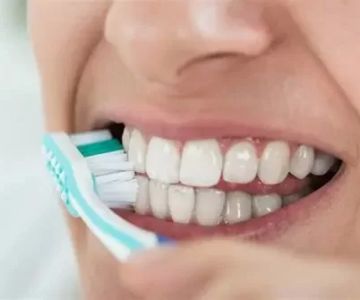
Brushing your teeth should always be the first step in your oral hygiene routine. The American Dental Association (ADA) recommends brushing your teeth twice a day with fluoride toothpaste. Brushing removes the majority of plaque, bacteria, and food particles from the surface of your teeth. By starting with brushing, you ensure that the toothpaste can work its magic on your teeth, removing surface-level debris and helping to strengthen your enamel.
For effective brushing, use gentle, circular motions, ensuring you cover every surface of each tooth. Don't forget your tongue, as bacteria can accumulate there too. Brush for at least two minutes, making sure to reach all corners of your mouth. It's also important to use a toothbrush with soft bristles to prevent damaging your gums.
2.2 Flossing After Brushing
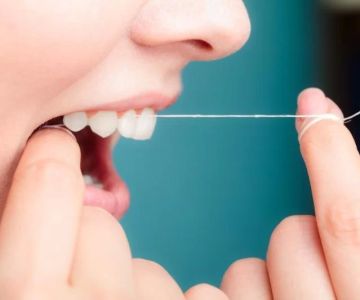
Flossing is an essential part of oral hygiene that many people tend to skip. However, it’s a mistake to do so because brushing alone can’t reach the tight spaces between your teeth. Flossing helps remove plaque and food particles that your toothbrush may have missed, particularly along the gum line and in between your teeth.
When flossing, it’s important to use the correct technique. Take about 18 inches of dental floss and wrap it around your fingers, leaving a small section to work with. Gently slide the floss between your teeth, curving it into a C-shape around each tooth to clean below the gum line. Flossing should be done before using mouthwash because it helps to remove debris that may interfere with the effectiveness of your mouthwash.
2.3 Mouthwash: The Finishing Touch
Using mouthwash should be the last step in your oral hygiene routine. Mouthwash helps to kill bacteria, freshen breath, and reach areas that brushing and flossing might have missed. It can also provide additional benefits, such as fluoride to protect against cavities and help prevent gum disease.
To get the most out of mouthwash, swish it around your mouth for 30 seconds to a minute. Avoid swallowing the mouthwash, and try not to eat or drink for at least 30 minutes afterward to allow the active ingredients to continue working. Choose a mouthwash that suits your needs, such as one with fluoride for cavity prevention or an antibacterial formula for gum health.
3. Additional Tips for Effective Oral Hygiene
In addition to following the correct order for brushing, flossing, and using mouthwash, there are a few other tips that can help improve your oral hygiene routine:
3.1 Use the Right Tools
To ensure the effectiveness of your routine, it’s important to choose the right tools. Opt for a soft-bristled toothbrush, as hard bristles can damage your gums. You may also want to consider an electric toothbrush, which can provide a more thorough cleaning than a manual toothbrush.
For flossing, use high-quality dental floss or floss picks that are easy to handle. If you find traditional floss challenging to use, consider investing in water flossers or interdental brushes for more effective cleaning between your teeth.
3.2 Keep a Consistent Routine
Consistency is key when it comes to oral hygiene. Make sure to brush twice a day, floss once a day, and use mouthwash as part of your daily routine. Keeping up with your oral hygiene will prevent plaque build-up and reduce the risk of cavities and gum disease.
3.3 Regular Dental Check-ups
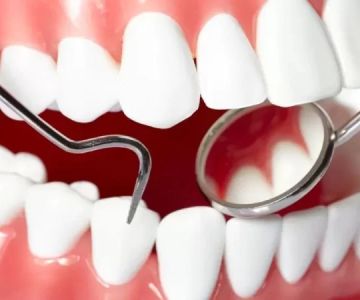
Even with a great home oral hygiene routine, it's essential to visit your dentist regularly for check-ups and cleanings. Your dentist can detect any potential issues early and provide professional cleaning to remove stubborn plaque and tartar buildup that home care can’t address.
4. Conclusion: The Key to Healthy Teeth
In conclusion, following the correct order of oral hygiene—brushing, flossing, and then using mouthwash—can significantly improve your dental health. By establishing a consistent routine and using the right tools, you can ensure that your teeth and gums stay healthy and strong. Don’t forget that regular dental check-ups are also a critical part of maintaining optimal oral health.
If you need personalized advice on improving your oral care routine, be sure to visit Family Dentistry Online for expert recommendations and services tailored to your needs.



 Hillcrest Dental Group, P.A.4.0 (826 review)
 Salem Orthodontics4.0 (188 review)
 Pleasant Smiles Dental4.0 (8 review)
 Lake Area Dental4.0 (24 review)
 Franco Picofazzi DDS, FADSA, PC4.0 (66 review)
 Robison Dental Group4.0 (197 review)
 The Importance of Oral Health Education During Pregnancy for a Healthy Pregnancy
 Best Tips for Brushing Your Teeth Properly for Healthy Gums: Essential Techniques for Oral Health
 Why Skipping Dental Checkups Can Lead to Bigger Oral Health Problems
 Advantages of Porcelain Dental Restorations
 How Can Diabetes Cause Tooth and Gum Problems? Preventing and Managing Oral Health Issues
 Healthy Habits for Promoting Good Oral Health and Hygiene: Tips for a Healthy Smile