
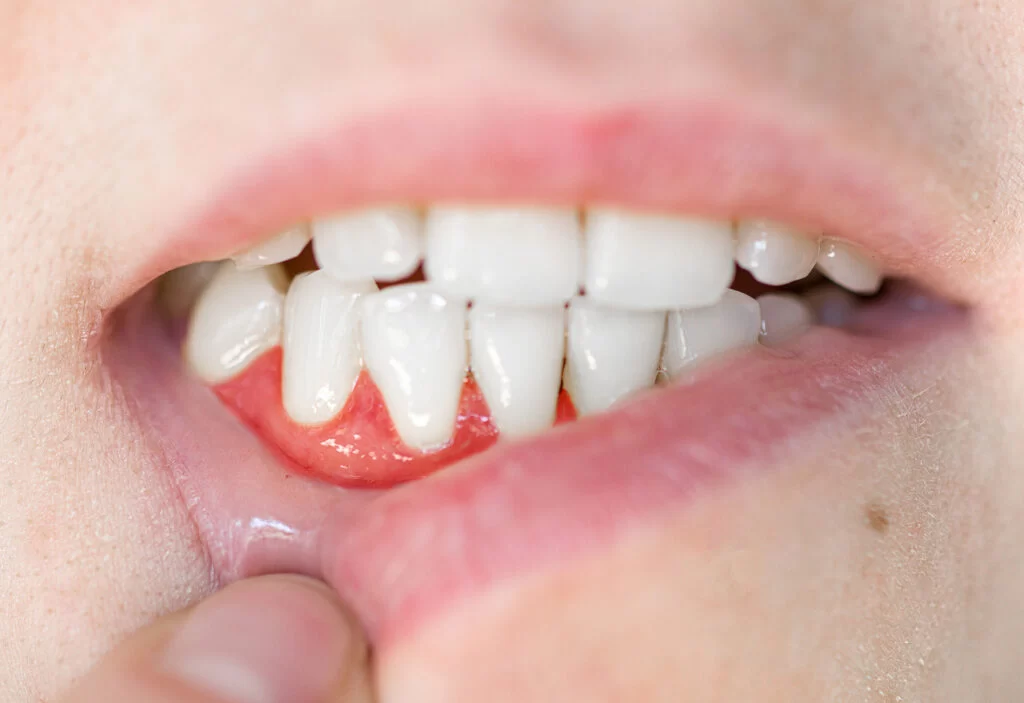
What is the Best Treatment for Tooth Abscess?
- 1. Understanding Tooth Abscess
- 2. Symptoms of a Tooth Abscess
- 3. Treatment Options for Tooth Abscess
- 4. Preventing Future Tooth Abscesses
1. Understanding Tooth Abscess
A tooth abscess is a pocket of pus that forms in or around a tooth due to bacterial infection. It is a common dental issue that can be quite painful. The infection often starts when bacteria invade the soft tissue inside the tooth, known as the pulp, causing it to become inflamed and infected. Over time, the infection can spread to the surrounding bone and tissues, leading to an abscess.
2. Symptoms of a Tooth Abscess
Recognizing the symptoms of a tooth abscess early is crucial for prompt treatment. Common signs include:
- Severe, persistent toothache
- Swelling in the gums or face
- Sensitivity to hot and cold temperatures
- A bad taste in the mouth due to drainage from the abscess
- Fever
If you experience any of these symptoms, it’s essential to seek dental care as soon as possible to prevent the infection from worsening.
3. Treatment Options for Tooth Abscess
The best treatment for a tooth abscess depends on the severity of the infection. Treatment options include both home remedies and professional dental care:
- Antibiotics: Dentists may prescribe antibiotics to help control the infection. This is often used in conjunction with other treatments.
- Drainage: If the abscess has drained, the dentist will clean the area to prevent further infection.
- Root Canal Treatment: For abscesses caused by infection in the pulp, a root canal may be necessary to remove the infected tissue and save the tooth.
- Tooth Extraction: In severe cases, if the tooth cannot be saved, extraction may be the best option to prevent the spread of infection.
It’s essential to consult with a dentist to determine the best treatment for your specific situation.
4. Preventing Future Tooth Abscesses
Preventing a tooth abscess is often possible with good oral hygiene practices. Here are some tips to reduce your risk:
- Brush your teeth at least twice a day with fluoride toothpaste.
- Floss daily to remove plaque from between your teeth.
- Visit your dentist regularly for checkups and cleanings.
- Avoid sugary foods and drinks that can contribute to tooth decay.
Taking these steps will help maintain your oral health and reduce the risk of infections that can lead to tooth abscesses.
If you're experiencing symptoms of a tooth abscess or need professional dental care, visit Dentistry Toothtruth for more information and treatment options tailored to your needs.






 Advantage Care Health Centers, Brookville, Freeport2.0 (16 review)
 Uchida Clyde Y DDS3.0 (9 review)
 Pinnacle Endodontics, Periodontics, and Implants4.0 (84 review)
 Gessel Orthodontics5.0 (565 review)
 Chiulli Implants and Periodontics4.0 (134 review)
 Art of Dentistry: Lalitha Shankar DMD4.0 (34 review)
 The Importance of Oral Health Education During Pregnancy for a Healthy Pregnancy
 Best Tips for Brushing Your Teeth Properly for Healthy Gums: Essential Techniques for Oral Health
 Why Skipping Dental Checkups Can Lead to Bigger Oral Health Problems
 Advantages of Porcelain Dental Restorations
 How Can Diabetes Cause Tooth and Gum Problems? Preventing and Managing Oral Health Issues
 Healthy Habits for Promoting Good Oral Health and Hygiene: Tips for a Healthy Smile