
Understanding Oral Lichen Planus Disease
Oral lichen planus is a chronic inflammatory condition that affects the mucous membranes inside the mouth. It often appears as white, lacy patches, red swollen tissues, or painful sores. This condition is not contagious, but it can cause significant discomfort and interfere with eating, speaking, and overall oral health. Many patients first notice something is wrong when they experience persistent soreness or irritation that does not go away with basic home remedies.
1. Common Symptoms of Oral Lichen Planus
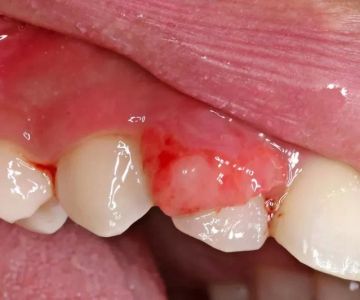
The symptoms can vary depending on the severity of the disease. Some people experience mild discomfort, while others deal with painful mouth sores that impact daily life. Typical signs include white patches on the inner cheeks, gums, tongue, or lips, red swollen tissues that bleed easily, or open ulcers that cause burning pain when eating spicy or acidic foods. A patient once described the sensation as a “constant burning similar to drinking hot coffee,” which highlights how disruptive the disease can be.
How Symptoms Progress Over Time
In some cases, symptoms may flare up and then improve, while in others, they remain constant. The chronic nature of the disease often requires ongoing care. If left untreated, oral lichen planus can lead to secondary infections, gum disease, or in rare cases, an increased risk of oral cancer, which is why regular monitoring is essential.
2. Causes and Risk Factors
The exact cause of oral lichen planus is not fully understood, but it is believed to involve an abnormal immune response. The body’s immune system mistakenly attacks the cells of the oral mucous membranes, leading to inflammation. Risk factors may include genetic predisposition, stress, allergies, or reactions to certain medications. Some studies suggest a connection between oral lichen planus and other systemic conditions such as hepatitis C, though not every patient experiences this link.
The Role of Stress in Oral Lichen Planus
Patients often report flare-ups during stressful periods of their lives. For example, one teacher noticed her mouth sores worsened during exam season, only to improve once her stress levels decreased. This connection highlights the importance of managing stress as part of overall oral health care.
3. Diagnosing Oral Lichen Planus
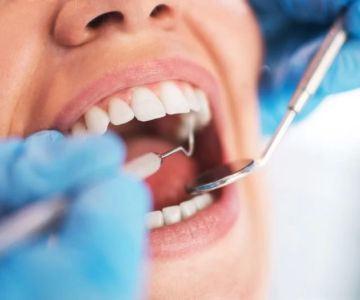
Diagnosis usually requires a combination of a physical examination and a biopsy. Dentists and oral specialists look for the characteristic lacy white patterns and may take a small tissue sample to confirm the diagnosis. Because the symptoms can resemble other oral conditions, accurate diagnosis is crucial to receiving proper treatment.
4. Treatment Options and Management
Although there is no permanent cure for oral lichen planus, several treatments can reduce symptoms and improve quality of life. Topical corticosteroids are commonly prescribed to reduce inflammation and pain. Antimicrobial mouthwashes can help prevent secondary infections. In severe cases, oral medications or immune-modulating drugs may be recommended. Lifestyle adjustments, such as avoiding spicy foods, alcohol, and tobacco, also play a big role in controlling flare-ups.
Practical Daily Care
Maintaining excellent oral hygiene is critical. Gentle brushing with a soft-bristled toothbrush, using alcohol-free mouthwash, and keeping up with regular dental checkups help minimize complications. Patients who commit to these habits often report fewer flare-ups and less discomfort.
5. Living with Oral Lichen Planus
Living with this condition requires patience and a proactive approach to care. Support groups and dental professionals can provide both medical and emotional support. One patient shared that learning to adapt her diet and establishing a consistent dental routine helped her regain confidence and enjoy meals without constant pain.
Final Thoughts on Oral Lichen Planus
Oral lichen planus may be a long-term condition, but it can be effectively managed with proper treatment and dental care. Early detection and professional guidance are key to reducing discomfort and preventing complications. For patients in the United States seeking expert advice and personalized treatment options, Family Dentistry Online offers trusted resources to help navigate oral health challenges.


 American Dental Associates - Philadelphia4.0 (664 review)
 Reve Orthodontics - Midtown Atlanta4.0 (258 review)
 Charm Pediatric Dentistry, LLC4.0 (74 review)
 Sung Lee Orthodontics5.0 (108 review)
 Loganville Family Dentistry4.0 (418 review)
 Palm Valley Orthodontics5.0 (3 review)
 The Importance of Oral Health Education During Pregnancy for a Healthy Pregnancy
 Best Tips for Brushing Your Teeth Properly for Healthy Gums: Essential Techniques for Oral Health
 Why Skipping Dental Checkups Can Lead to Bigger Oral Health Problems
 Advantages of Porcelain Dental Restorations
 How Can Diabetes Cause Tooth and Gum Problems? Preventing and Managing Oral Health Issues
 Healthy Habits for Promoting Good Oral Health and Hygiene: Tips for a Healthy Smile