
Understanding What Oral Hygiene Instruction Charge Means
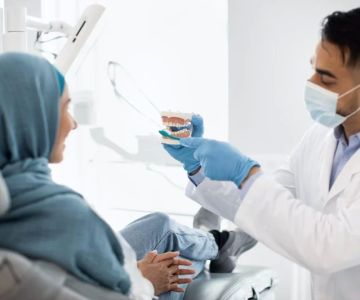
When visiting a dentist in the United States, you may sometimes notice a line item on your bill called an "oral hygiene instruction charge." Many patients are curious about what this fee covers and whether it is necessary. Essentially, this charge is associated with the time and expertise your dentist or dental hygienist spends teaching you how to care for your teeth and gums properly at home. Oral hygiene education goes beyond just telling you to brush twice daily—it often involves personalized advice tailored to your dental condition.
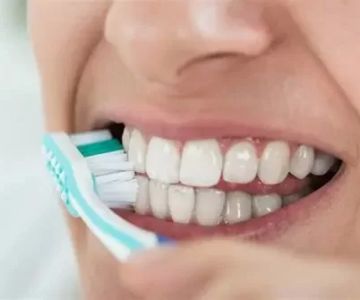
For example, if a patient struggles with gum inflammation, the dentist may demonstrate how to angle a toothbrush to target plaque buildup near the gumline. If another patient has braces, specific tools like interdental brushes may be recommended, along with clear demonstrations. The fee helps support the educational side of dentistry, which is just as important as the actual treatment you receive in the chair.
Why Oral Hygiene Instructions Are Essential for Patients
1. Prevention of Long-Term Problems
Dental treatments can correct existing problems, but without proper daily care, new issues can arise quickly. Oral hygiene instruction sessions reduce the risk of cavities, gum disease, and plaque buildup by giving patients practical skills. Think of it like a roadmap—your dentist ensures you know how to maintain the benefits of professional cleanings between visits.
2. Personalized Guidance Over Generic Advice
While we can all find basic oral health tips online, individualized guidance from a professional is more effective. For instance, a dentist may notice that you are brushing too aggressively, which could damage enamel, and teach you a gentler but effective technique. Similarly, patients with conditions like dry mouth or sensitive teeth might receive recommendations for specific toothpaste or rinses that make daily care easier and more effective.
How Dentists Typically Deliver Oral Hygiene Instruction
The process usually happens during routine visits such as dental cleanings or exams. A dental hygienist may demonstrate flossing techniques, show how to clean around crowns or implants, or provide hands-on instruction using models. Many clinics also use visual aids, like charts or digital images of your teeth, to point out problem areas. The charge reflects the extra time spent ensuring you leave the office with not only healthier teeth but also the knowledge to keep them that way.
At Family Dentistry Online, patients are encouraged to ask questions during these sessions. The more you understand your oral health, the more likely you are to maintain consistent habits at home, which saves money and prevents discomfort in the long run.
Real-Life Example: Why Oral Hygiene Instruction Matters
Consider a patient named Lisa who visited her dentist with frequent bleeding gums. Instead of just prescribing a rinse, her hygienist took time to show her the proper flossing method and explained how to target problem areas. Within a few months, Lisa noticed a major improvement in her gum health. The small oral hygiene instruction charge she saw on her bill represented guidance that saved her from developing more serious gum disease—and potentially more expensive treatments.
Costs and Insurance Coverage
The cost of an oral hygiene instruction charge varies depending on the dental clinic and region. In many cases, the fee is modest compared to other dental services. Some dental insurance plans cover it as part of preventive care, while others may not. Patients should always check with their provider for clarity. Even if not covered, the value it provides in terms of prevention often outweighs the cost.
Think of it like paying for professional advice in any other field. Just as a fitness coach teaches proper form to prevent injuries, your dental provider teaches proper oral hygiene techniques to prevent disease. The investment pays off with better health and fewer dental emergencies.
Looking Ahead: The Importance of Oral Hygiene Education
As dental research evolves, dentists are discovering even stronger links between oral health and overall health, including cardiovascular wellness and diabetes management. This makes oral hygiene instruction even more vital. By understanding how daily care influences long-term wellness, patients can take control of their health outside of the dental office. When you see “oral hygiene instruction charge” on your bill, it’s a reminder that your dentist is investing in your knowledge, not just your teeth.
For expert oral hygiene advice and the most suitable dental care services, you can always explore recommendations at Family Dentistry Online. Their team emphasizes both treatment and education, helping patients achieve healthier smiles for life.



 Brilliant Smiles Dentistry4.0 (331 review)
 Dental Dreams4.0 (967 review)
 Capital Dental Design - Richmond5.0 (456 review)
 Gessel Orthodontics5.0 (565 review)
 BellaSmiles Dentistry4.0 (184 review)
 River City Dental4.0 (149 review)
 The Importance of Oral Health Education During Pregnancy for a Healthy Pregnancy
 Best Tips for Brushing Your Teeth Properly for Healthy Gums: Essential Techniques for Oral Health
 Why Skipping Dental Checkups Can Lead to Bigger Oral Health Problems
 Advantages of Porcelain Dental Restorations
 How Can Diabetes Cause Tooth and Gum Problems? Preventing and Managing Oral Health Issues
 Healthy Habits for Promoting Good Oral Health and Hygiene: Tips for a Healthy Smile