
Understanding Why Oral Hygiene Is Important for Everyone
Oral hygiene is a cornerstone of overall health that often goes underestimated. It encompasses the daily practices of cleaning the mouth, teeth, and gums to prevent diseases and maintain a healthy smile. But why is oral hygiene important beyond just keeping your teeth white and fresh?
Maintaining good oral hygiene helps prevent common dental problems such as cavities, gum disease, and bad breath. More importantly, research increasingly shows strong links between oral health and systemic conditions like heart disease, diabetes, and respiratory illnesses.
When oral hygiene is neglected, harmful bacteria accumulate, leading to infections that can spread beyond the mouth. Thus, caring for your oral health is essential not only for preserving your teeth but also for supporting your overall well-being.
1. The Science Behind Oral Hygiene and Its Benefits
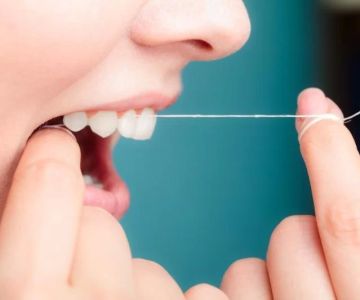
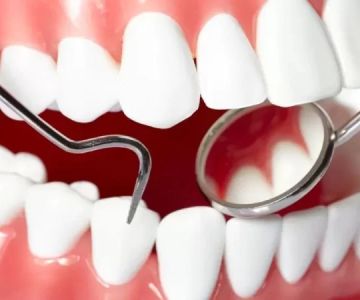
Brushing and flossing regularly remove plaque—a sticky film of bacteria that forms on teeth. If plaque is not removed, it hardens into tartar, which can cause inflammation of the gums known as gingivitis, the earliest stage of gum disease.
Good oral hygiene practices prevent plaque buildup and protect against cavities by keeping enamel strong. Additionally, a clean mouth reduces the risk of infections that can affect other parts of the body. Studies show that individuals with poor oral hygiene are more prone to systemic inflammation, which contributes to chronic diseases.
Therefore, oral hygiene serves as a frontline defense, protecting the body from harmful bacteria while promoting a confident, healthy smile.
2. Oral Hygiene for Children: Building Lifelong Healthy Habits
Teaching children the importance of oral hygiene early in life is crucial. Childhood cavities remain one of the most common chronic diseases in children, often caused by inadequate brushing, high sugar intake, and lack of professional dental care.
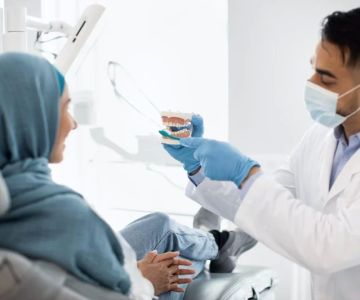
Parents and caregivers play a vital role by introducing proper brushing techniques, supervising flossing, and scheduling regular dental checkups. Storytelling and fun activities can make learning oral hygiene engaging for kids, helping them embrace these habits as a normal part of daily life.
Children who grow up with strong oral care routines are less likely to develop dental anxiety and more likely to maintain their oral health into adulthood.
3. Oral Hygiene in Adults: Prevention and Maintenance
For adults, oral hygiene remains equally important as it helps prevent issues like periodontal disease, tooth loss, and oral cancer. Lifestyle factors such as smoking, diet, and stress can negatively impact oral health, making consistent hygiene practices and dental visits essential.
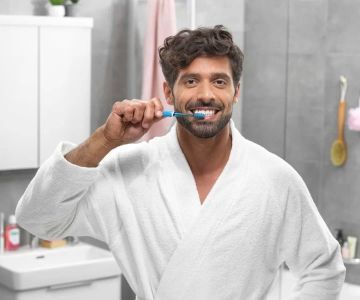
Adults should maintain regular brushing with fluoride toothpaste, daily flossing, and routine dental cleanings. Being attentive to early signs like bleeding gums, tooth sensitivity, or persistent bad breath can prompt timely intervention, preventing complications.
Effective oral hygiene contributes to a better quality of life, enabling individuals to enjoy healthy eating, clear speech, and social confidence.
4. Overcoming Common Oral Hygiene Challenges
Many people face challenges maintaining oral hygiene, including busy lifestyles, dental anxiety, and misinformation about proper techniques. Overcoming these barriers is vital for preventing long-term dental problems.
Simple strategies such as setting reminders, using electric toothbrushes, or seeking support from dental professionals can make a big difference. Education on the correct brushing angle, flossing methods, and mouthwash use helps maximize benefits and reduces frustration.
Empowering individuals with knowledge and tools fosters lasting oral health improvements.
5. Real-Life Impact: How Oral Hygiene Changed a Life
Jessica, a working mother, struggled with frequent dental issues due to inconsistent oral care and stress. After attending a community oral health workshop, she adopted a structured routine and visited her dentist regularly. Over time, her gum health improved, dental pain subsided, and her confidence soared.
Jessica’s story illustrates the transformative power of good oral hygiene education and proactive care.
6. How Dentistry Toothtruth Supports Your Oral Health Journey
Dentistry Toothtruth is dedicated to helping patients understand the importance of oral hygiene and providing tailored care solutions. From comprehensive education programs to personalized treatment plans, we empower you to maintain optimal oral health at every life stage.
Explore Dentistry Toothtruth’s services and resources to discover effective dental hygiene tips and trusted professional support that will keep your smile healthy and vibrant.

 Comfort Dental Whitehall - Your Trusted Dentist in Columbus4.0 (611 review)
 Graylyn Dental4.0 (681 review)
 Dooley Dental: Edward J Dooley DMD, Dr Robert Scheddin DMD4.0 (162 review)
 Johnson Ebenezer DDS4.0 (12 review)
 Wellbeing Dental - VIBE4.0 (56 review)
 Leading Edge Oral Surgery Plainview4.0 (708 review)
 The Importance of Oral Health Education During Pregnancy for a Healthy Pregnancy
 Best Tips for Brushing Your Teeth Properly for Healthy Gums: Essential Techniques for Oral Health
 Why Skipping Dental Checkups Can Lead to Bigger Oral Health Problems
 Advantages of Porcelain Dental Restorations
 How Can Diabetes Cause Tooth and Gum Problems? Preventing and Managing Oral Health Issues
 Healthy Habits for Promoting Good Oral Health and Hygiene: Tips for a Healthy Smile