
What Is Oral Hygiene and Why It’s More Than Just Brushing Teeth
Most Americans know they should brush and floss daily. But beyond that basic routine lies a deeper question—what is oral hygiene and why does it hold such weight in our overall health? Oral hygiene isn’t simply about clean teeth; it’s a comprehensive system of care that protects us from disease, preserves our confidence, and even contributes to heart health.
Maintaining good oral hygiene means keeping your mouth clean and free of disease by brushing, flossing, and receiving regular professional cleanings. However, the concept also stretches to habits, lifestyle, and awareness. It’s a daily discipline, but its effects last a lifetime.
The Science Behind Oral Hygiene and Systemic Health
1. The Mouth-Body Connection: More Than a Smile
Medical research in the United States has repeatedly confirmed that the mouth is the gateway to the body. Poor oral health is directly linked to a number of serious conditions, including cardiovascular disease, diabetes, respiratory infections, and even dementia. Bacteria from untreated gum disease (periodontitis) can enter the bloodstream and trigger inflammation elsewhere in the body.
For example, in 2019, a 52-year-old man in Ohio ignored persistent gum bleeding and loose teeth. Months later, he was diagnosed with endocarditis, a heart infection caused by bacteria entering his bloodstream from an infected gum pocket. This chilling reminder shows why oral hygiene should be viewed as part of your total wellness plan.
2. Preventing Common Oral Diseases
Daily oral care is your best defense against:
- Cavities (tooth decay)
- Gingivitis and periodontitis
- Halitosis (chronic bad breath)
- Oral infections and abscesses
Good oral hygiene not only prevents these issues, it reduces the likelihood of needing costly and invasive dental procedures later in life.
How to Practice Excellent Oral Hygiene Daily
3. Building a Smart Routine That Goes Beyond Brushing
A standard oral care routine should include:
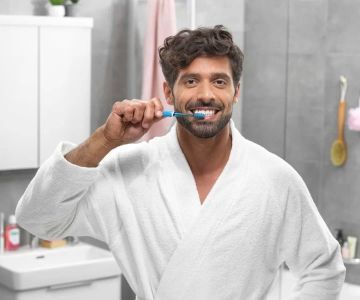
- Brushing at least twice daily with fluoride toothpaste
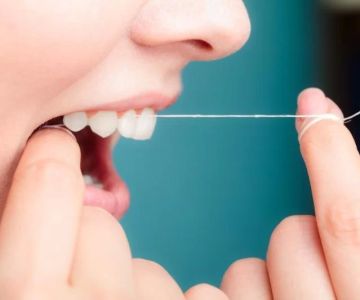
- Flossing once a day to clean between teeth
- Rinsing with an antimicrobial mouthwash
- Replacing your toothbrush every 3 months
Many Americans overlook flossing or assume brushing alone is enough. However, nearly 40% of tooth surfaces go untouched by the brush. That’s where flossing comes in—it removes debris where decay often starts.
4. Nutrition and Habits That Influence Oral Health
Your diet significantly affects your dental health. Frequent consumption of sugary drinks, acidic foods, or alcohol can weaken enamel and promote bacterial growth. On the flip side, eating crunchy vegetables, drinking plenty of water, and chewing sugar-free gum can promote saliva production and naturally cleanse the mouth.
Tobacco use remains a major culprit in dental health decline. It not only stains teeth but impairs gum healing and increases the risk of oral cancer. One former smoker in Texas saw a dramatic improvement in gum inflammation within six months of quitting—along with improved breath and confidence.
The Role of Professional Dental Care
5. Why Regular Checkups Are Non-Negotiable
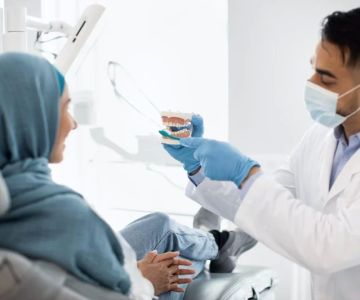
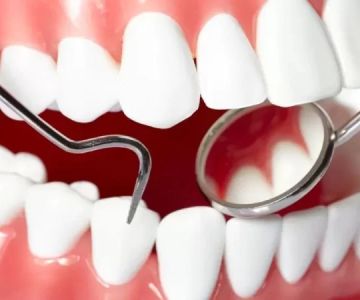
Even if your at-home routine is flawless, plaque and tartar buildup still occur. Dentists use specialized tools to clean below the gumline, detect issues before they become painful, and provide oral cancer screenings. The American Dental Association recommends cleanings every six months.
Beyond cleanings, dental visits may include:
- Digital X-rays to check for hidden decay
- Fluoride treatments to strengthen enamel
- Sealants for cavity-prone molars
Early detection saves teeth, money, and stress. A mother in Florida credits her daughter’s early cavity diagnosis for avoiding a root canal later. She now schedules family checkups every six months without fail.
Empowering Families to Build Oral Health Habits
6. Teaching Kids the Value of Dental Hygiene
The habits formed in childhood often define adult health. Teaching kids the value of brushing and rewarding consistency can establish lifelong discipline. Use timers, kid-friendly toothpaste, and let them choose their toothbrushes to make dental care more engaging.
Pediatric dentists also help by educating young patients in age-appropriate ways. At Family Dentistry Online, we encourage family-centered education and regular pediatric cleanings to give children a confident head start.
7. Making Oral Hygiene Accessible and Affordable
Access to affordable dental care remains a challenge for many American families. Luckily, community clinics, employer-sponsored plans, and flexible payment options through providers like Family Dentistry Online make consistent care more achievable. Many plans include preventive visits at little to no cost—one of the most effective ways to protect long-term health.
Preventive care costs pennies on the dollar compared to emergency treatments. That makes regular visits not just a health decision, but a smart financial one.
Oral Hygiene as a Lifelong Investment
8. Your Daily Routine Shapes Decades of Health
Ultimately, oral hygiene is a commitment to self-care that pays off in both obvious and invisible ways. It protects your smile, boosts your confidence, and reduces risks for conditions that reach far beyond your teeth.
If you’re unsure about your current dental habits or seeking expert guidance, Family Dentistry Online offers trusted resources and services tailored to every stage of life. Because when you understand what oral hygiene truly means, you’re not just taking care of your teeth—you’re investing in your whole-body wellness.

 Village Dental - North Raleigh4.0 (1577 review)
 Dental Health Associates, P.A.3.0 (355 review)
 Maine Orthodontics5.0 (2 review)
 Schuller Dental5.0 (196 review)
 Reichheld Ting Orthodontics - Westford5.0 (308 review)
 HealthPartners Dental Clinic St. Paul2.0 (16 review)
 The Importance of Oral Health Education During Pregnancy for a Healthy Pregnancy
 Best Tips for Brushing Your Teeth Properly for Healthy Gums: Essential Techniques for Oral Health
 Why Skipping Dental Checkups Can Lead to Bigger Oral Health Problems
 Advantages of Porcelain Dental Restorations
 How Can Diabetes Cause Tooth and Gum Problems? Preventing and Managing Oral Health Issues
 Healthy Habits for Promoting Good Oral Health and Hygiene: Tips for a Healthy Smile