
Understanding Oral Health and Hygiene
Oral health and hygiene are fundamental aspects of overall well-being, yet many people underestimate their importance until a problem arises. Oral health refers to the condition of your mouth, teeth, gums, and the entire oral-facial system that allows us to smile, speak, and chew. Good oral hygiene, on the other hand, involves daily habits and practices that maintain and improve this health.
In the United States, where dental issues affect millions, understanding what oral health and hygiene entail can empower individuals to take control of their smile and prevent serious complications.
The Vital Role of Oral Health in Your Life
1. Connection Between Oral and Overall Health
Oral health is not isolated from the rest of the body. Studies have linked poor oral hygiene to a variety of systemic conditions including heart disease, diabetes, and respiratory infections. For instance, inflammation caused by gum disease can increase the risk of cardiovascular problems, highlighting why maintaining a healthy mouth is crucial beyond just aesthetics.
A well-known case involved a patient who developed severe heart complications later traced back to untreated gum infection. This underscores how oral health can directly impact vital organs and long-term health.
2. Preventing Dental Problems Through Hygiene
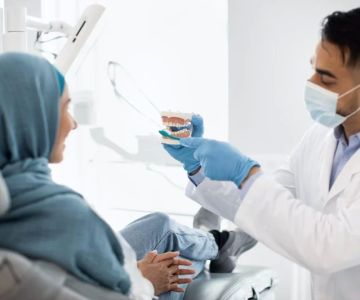
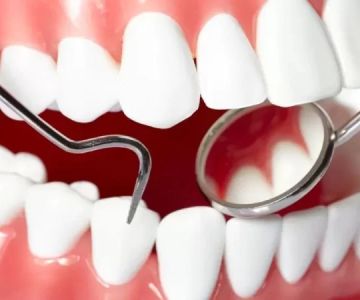
Daily oral hygiene practices such as brushing, flossing, and rinsing help remove plaque, a sticky film of bacteria that causes tooth decay and gum disease. Without proper care, plaque hardens into tartar, leading to cavities, bad breath, and periodontal disease. Regular dental visits enable early detection and management, preventing these issues from escalating.
Effective Oral Hygiene Practices
1. Brushing Techniques and Frequency
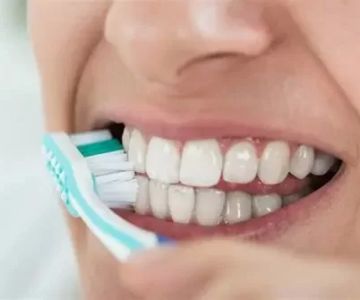
Brushing twice a day with fluoride toothpaste is essential. Experts recommend spending at least two minutes per session, using gentle circular motions to clean all surfaces of the teeth and along the gum line. Using a soft-bristled toothbrush prevents damage to gums and enamel.
2. The Importance of Flossing
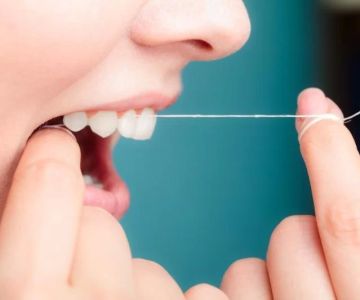
Flossing removes food particles and plaque from areas your toothbrush cannot reach — between teeth and under the gum line. Daily flossing reduces the risk of cavities and gum disease, keeping your smile fresh and healthy.
3. Mouthwash and Its Role
Antimicrobial mouthwashes complement brushing and flossing by reducing bacteria in the mouth. Certain formulations also help strengthen enamel and freshen breath, making them a valuable addition to oral care routines.
Oral Health Challenges During Illness and Recovery
1. Maintaining Hygiene When Unwell
Illness can disrupt regular oral care habits due to fatigue, medication side effects, or dry mouth. It's crucial to adapt your routine during such times. Using a softer toothbrush, rinsing with salt water, and staying hydrated help protect oral tissues and prevent infections.
2. Dental Care During Recovery Phases
Recovery from surgeries or medical treatments may necessitate specialized oral care. Consulting dental professionals ensures safe practices that support healing while maintaining hygiene. This personalized approach minimizes complications and promotes overall health.
Diet, Lifestyle, and Oral Health
1. Nutrition’s Impact on Oral Health
A balanced diet rich in vitamins and minerals strengthens teeth and gums. Limiting sugary and acidic foods reduces decay risk. Drinking plenty of water aids saliva production, which naturally protects teeth.
2. Habits That Affect Oral Hygiene
Smoking and excessive alcohol intake contribute to gum disease and oral cancers. Avoiding these habits significantly benefits oral and systemic health.
Real-Life Stories That Highlight Oral Hygiene Importance
Consider the story of Emily, a young professional who neglected regular dental visits and developed advanced gum disease. After a wake-up call from her dentist, she adopted thorough oral hygiene practices and saw remarkable improvements, avoiding tooth loss and costly treatments. Stories like Emily's illustrate that proactive care can transform oral health and quality of life.
How Dentistry Toothtruth Supports Your Oral Health Journey
Whether you are seeking preventive advice, treatment for existing conditions, or expert guidance during illness and recovery, Dentistry Toothtruth offers comprehensive dental care tailored to your needs. Their experienced team emphasizes education, personalized plans, and cutting-edge technology to ensure you maintain a healthy and confident smile for life.


 Gentle Family Dentistry5.0 (60 review)
 Caring Smiles Dental4.0 (150 review)
 Deem Thomas E DDS5.0 (4 review)
 Christensen Orthodontics5.0 (108 review)
 Lake Forest Dental Center4.0 (216 review)
 Nordberg Family Dentistry4.0 (22 review)
 The Importance of Oral Health Education During Pregnancy for a Healthy Pregnancy
 Best Tips for Brushing Your Teeth Properly for Healthy Gums: Essential Techniques for Oral Health
 Why Skipping Dental Checkups Can Lead to Bigger Oral Health Problems
 Advantages of Porcelain Dental Restorations
 How Can Diabetes Cause Tooth and Gum Problems? Preventing and Managing Oral Health Issues
 Healthy Habits for Promoting Good Oral Health and Hygiene: Tips for a Healthy Smile